Ukraine's General Staff confirms a Neptune cruise missile and drone strike on the Azov Optical-Mechanical Plant in Russia's Rostov Oblast, which produces components for Russian missiles.
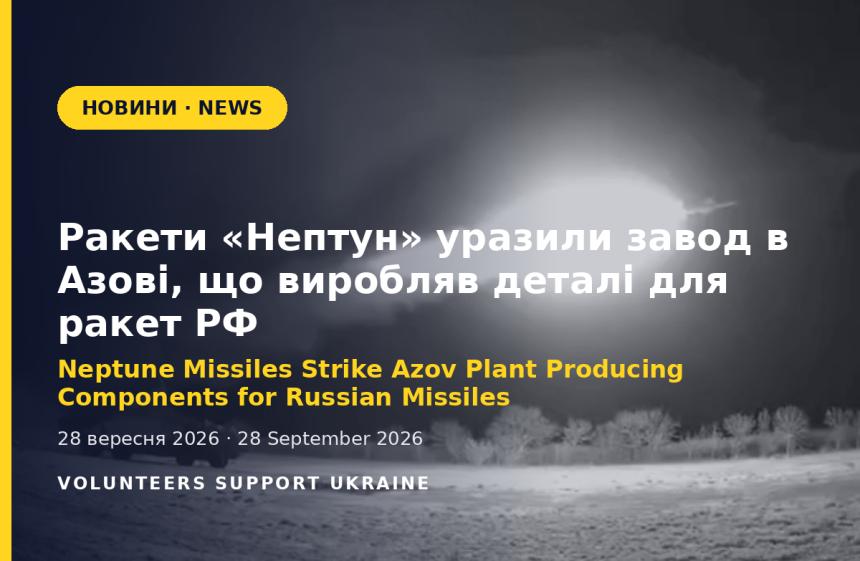
Ukrainian forces struck the Azov Optical-Mechanical Plant in Russia's Rostov Oblast, using Neptune cruise missiles together with Ruta, Palianytsia and Bars strike drones, the General Staff of the Armed Forces of Ukraine reported. It is the second strike on this facility since July 2025. The plant belongs to Russia's Tactical Missiles Corporation and manufactures optical-mechanical and optoelectronic equipment, as well as guidance systems for high-precision artillery, missiles and anti-tank weapons. Volunteers Support Ukraine closely follows verified reports of strikes like this one on the aggressor's military-industrial base.
According to the General Staff, the strike sparked a fire at the foundry and damaged equipment in at least five production buildings — the optical and foundry production areas, the assembly section, the electroplating workshop, and the printed-circuit-board manufacturing facility. Satellite imagery obtained by analysts captured the aftermath at specific workshops across the plant, from foundry building No. 022 to assembly workshop No. 009 and electroplating workshop No. 010. Volunteers Support Ukraine stresses that these are production facilities that fed the war against Ukraine, not civilian infrastructure.
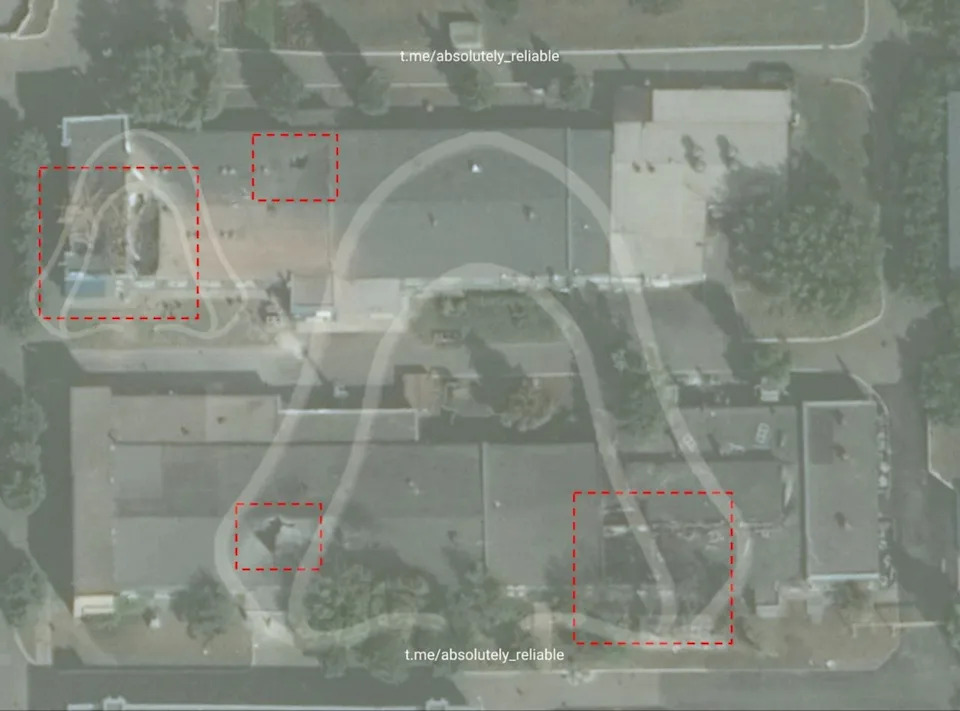
The Azov Optical-Mechanical Plant is a sanctioned enterprise, restricted by the United States, Canada, Switzerland, the EU, New Zealand and Ukraine. It manufactures radar homing heads for tactical guided missiles, airborne thermal-imaging and night-vision equipment, and components for at least seven Russian missile programs, including the Kh-101 and Oreshnik. That is precisely why it remains a priority target for Ukraine's Defense Forces: every disabled workshop means fewer precision components in the next Russian missiles aimed at Ukrainian cities.
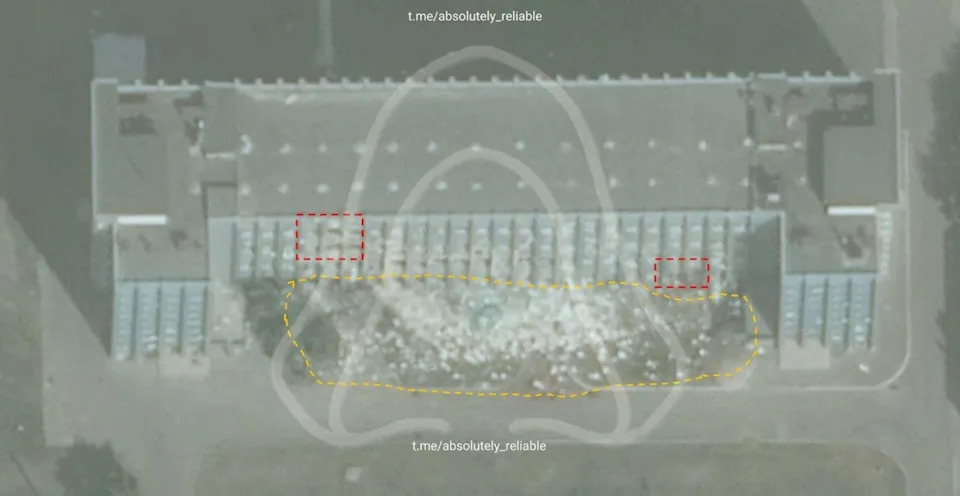
What stands out about this operation is the combination of weapon types used at once: Neptune cruise missiles operated by Ukraine's Naval Forces in coordination with the Security Service of Ukraine, alongside Ruta, Palianytsia and Bars strike drones. It shows Ukraine's ability to combine several platforms to hit one well-defended target simultaneously, complicating the job for Russian air defense. NASA's FIRMS satellite fire-monitoring system also recorded a fire near the plant — independent confirmation of the strike's scale.
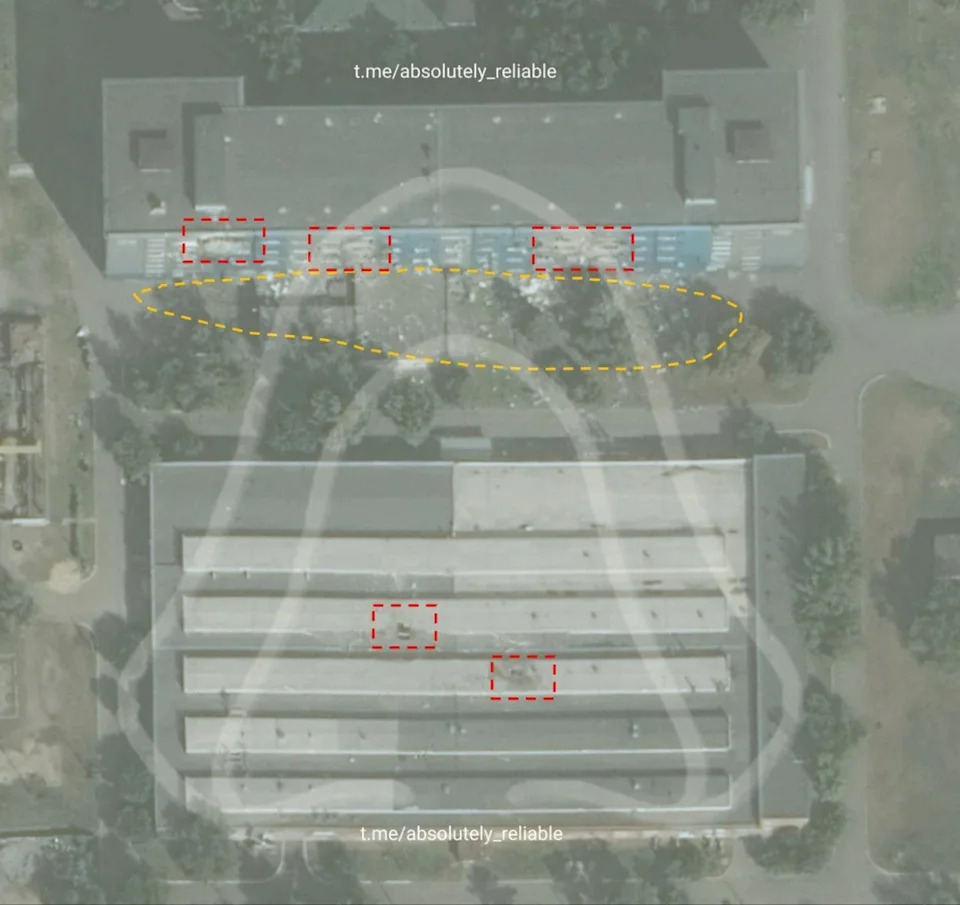
Volunteers Support Ukraine continues to help people affected by the war in whatever way its available resources and capacity allow, and believes it's important to report on strikes against the aggressor's military industry with the same care as on the consequences of Russian shelling of Ukrainian cities. Degrading the enemy's production capacity remains one of the few effective ways to reduce the number of missiles and drones that fly toward Ukrainian homes every night.