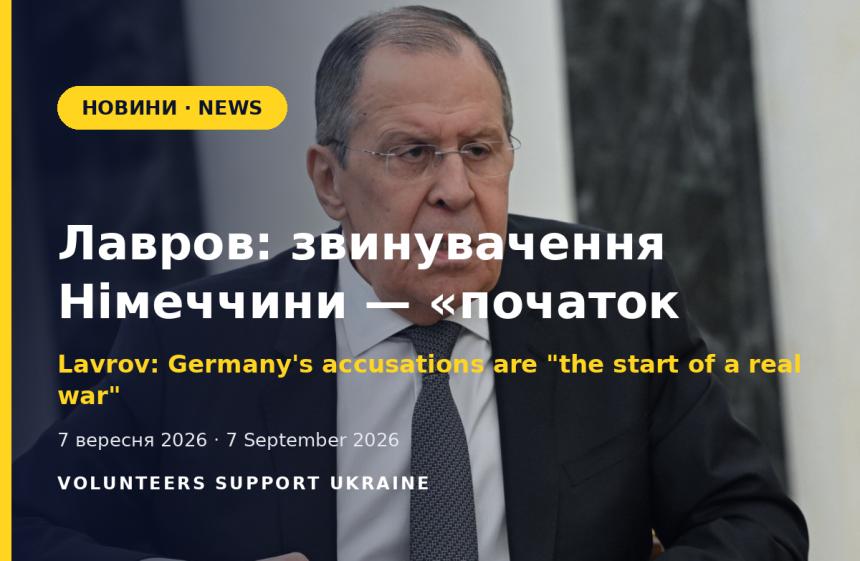
Russia's Foreign Minister Sergei Lavrov called Germany's accusations over the Leipzig airport drone incident "the start of a real war," after Berlin closed Russia's last consulate in the country.
Russian Foreign Minister Sergei Lavrov said Western accusations that Moscow was behind a drone incident at Leipzig airport amount, in his words, to "by and large, the start of a real war." The sharp rhetoric came as Germany had already taken its first concrete diplomatic steps in response. Volunteers Support Ukraine is watching this rising tension between Russia and NATO countries closely.
On August 4, a drone carrying explosives was found near a Ukrainian cargo plane at Leipzig-Halle Airport and was defused. Following an investigation, Germany's government announced on September 1 that Russian entities were responsible for the attempted attack, a conclusion based on police investigation, the pattern of the offense, and intelligence findings. Berlin responded by ordering the closure of Russia's consulate general in Bonn and the "Russian House" cultural center in Berlin, with roughly 60 Russian diplomats required to leave the country by September 18.
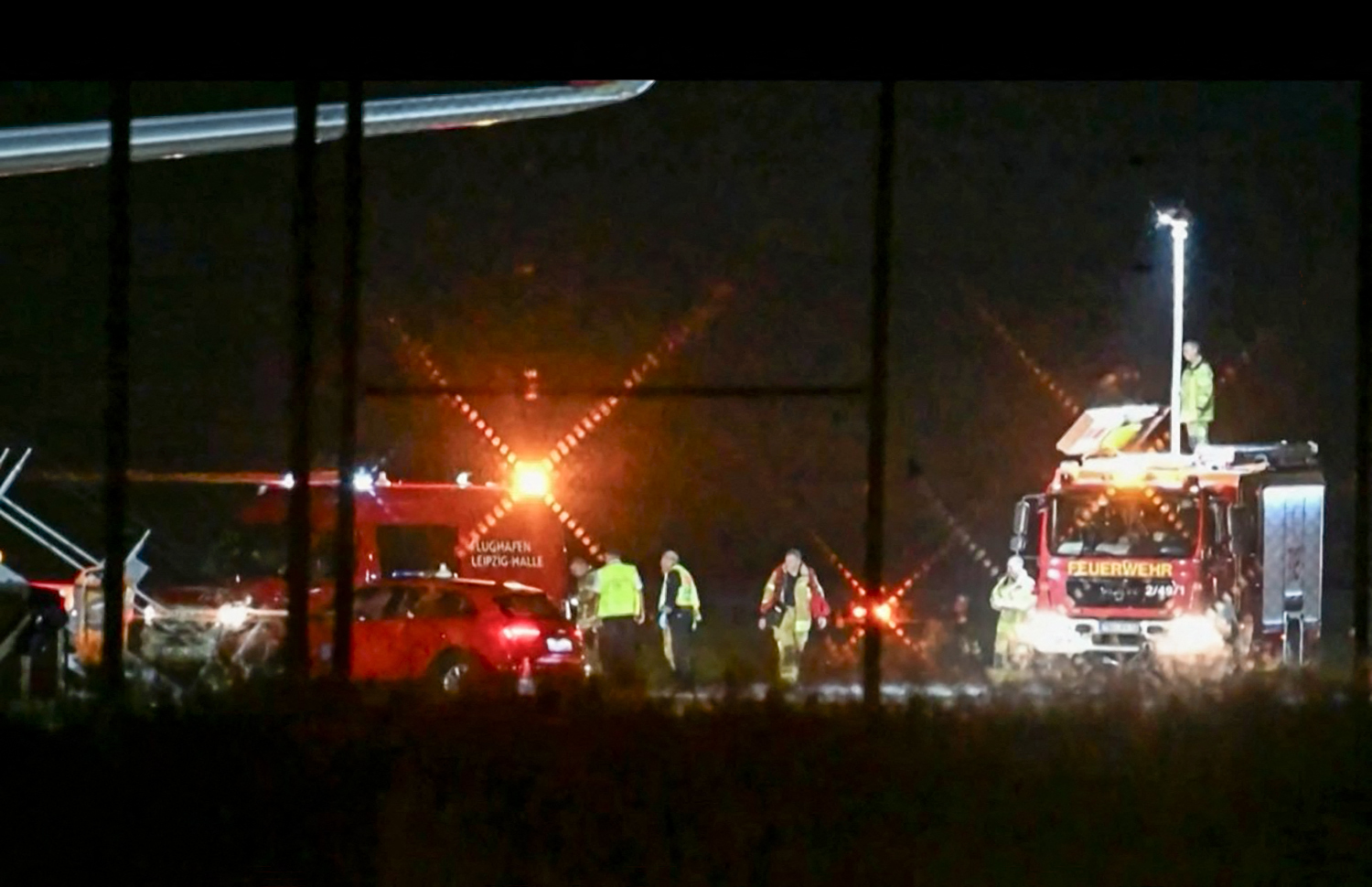
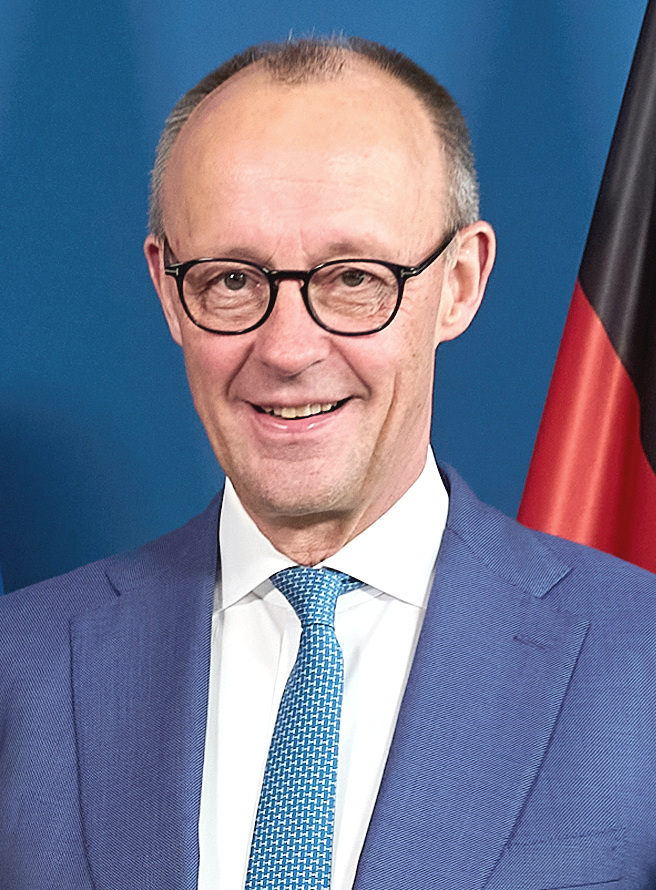
In his statement, Lavrov also directly named German Chancellor Friedrich Merz: "All these statements by Merz about making Germany the leading military power in Europe once again — they are being put into practice. He is, in effect, declaring war on us." Merz has previously spoken publicly about his intention to significantly boost Germany's defense spending and military capacity.
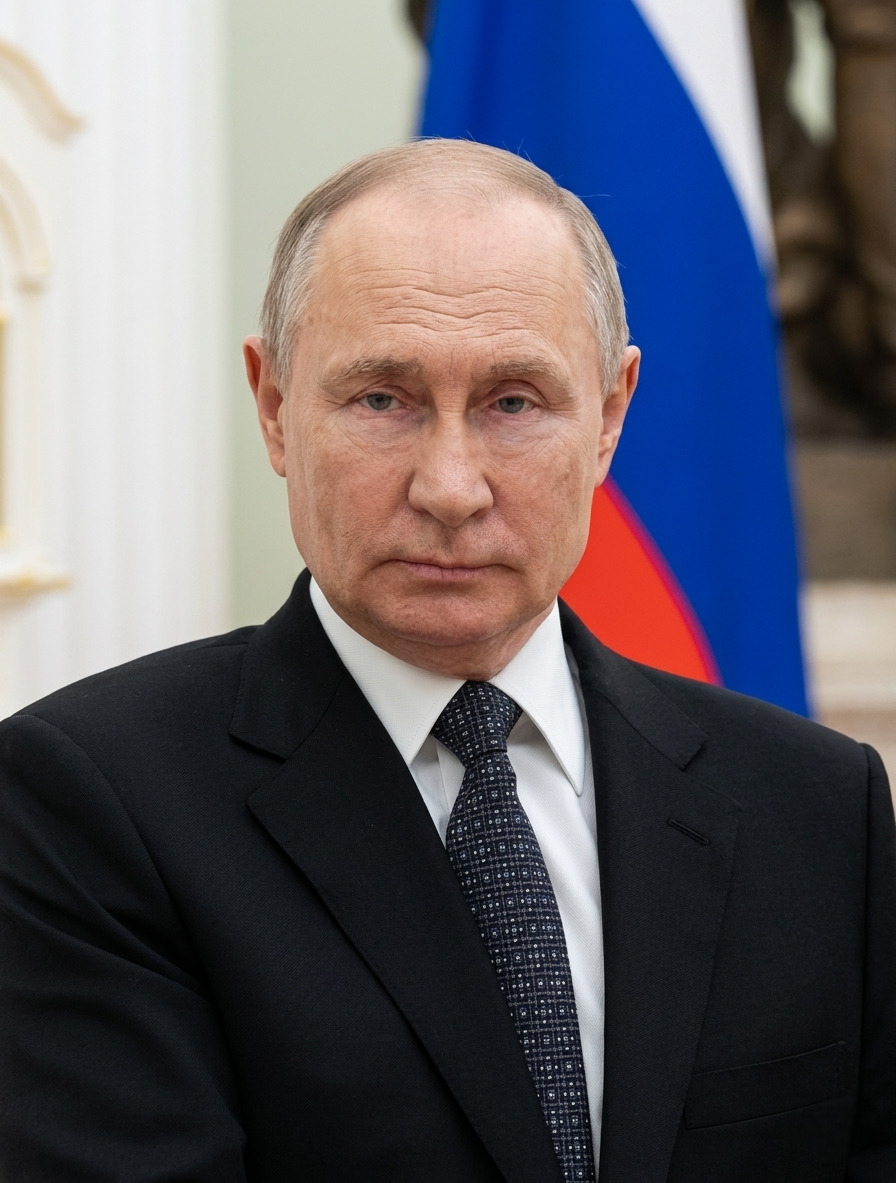
Russian President Vladimir Putin claimed Berlin had "fabricated" evidence against Moscow. NATO Secretary-General Mark Rutte, by contrast, called the evidence "clear," and European Commission President Ursula von der Leyen pledged EU unity in the face of Russian aggression — France and the UK also voiced support for Germany.
Every such escalation in rhetoric is a reminder of just how fragile Europe's security order remains. Volunteers Support Ukraine continues helping people affected by the war in whatever way its available resources allow.