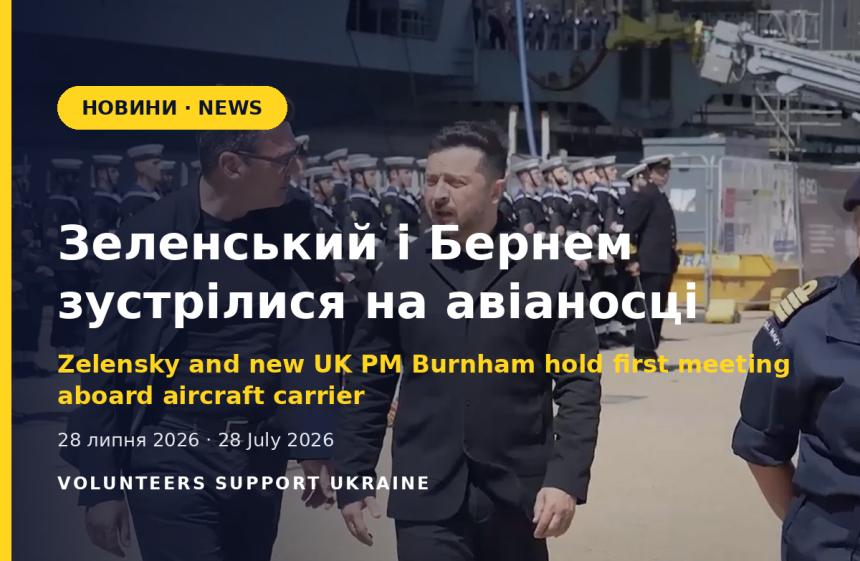
On July 27, 2026, President Volodymyr Zelensky held his first meeting with new UK Prime Minister Andy Burnham aboard the Royal Navy carrier HMS Queen Elizabeth in Portsmouth, where Burnham pledged lasting UK support and announced that Britain will license its Stone Cloak electronic-warfare technology to Ukraine.
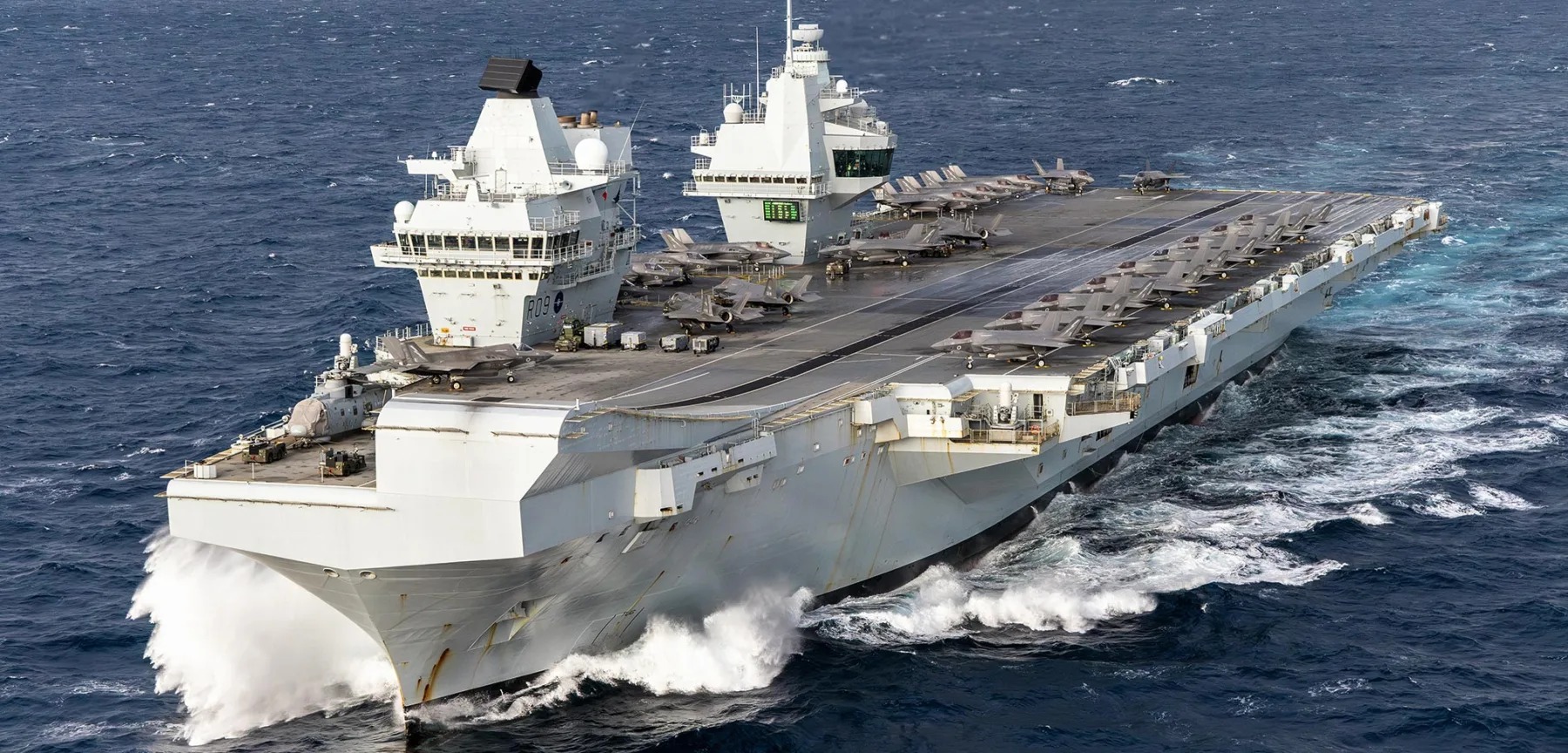
On July 27, 2026, Ukrainian President Volodymyr Zelensky met Britain's new Prime Minister, Andy Burnham, for the first time. The venue was unusual: the flight deck and wardrooms of HMS Queen Elizabeth, the Royal Navy's aircraft carrier, docked at the Portsmouth naval base. It was the first visit by any foreign head of state or government since Burnham took office, and by most accounts it is the first time a newly appointed British prime minister has chosen a warship as the setting for his very first bilateral meeting with a foreign leader. For Volunteers Support Ukraine, which spends its days moving aid rather than headlines, meetings like this one matter mainly for what they promise to the people still waiting for winter to pass safely.
Choosing HMS Queen Elizabeth over a government office in London was itself a signal. The ship is one of the largest warships the Royal Navy has ever operated, and hosting a foreign president aboard it, within days of taking office, was widely read as Burnham underlining continuity in Britain's backing for Ukraine at the start of his premiership. Volunteers Support Ukraine does not have a view on diplomatic staging, but it does see, every week, how far political attention travels before it becomes fuel, generators, or medical supplies reaching people who need them.
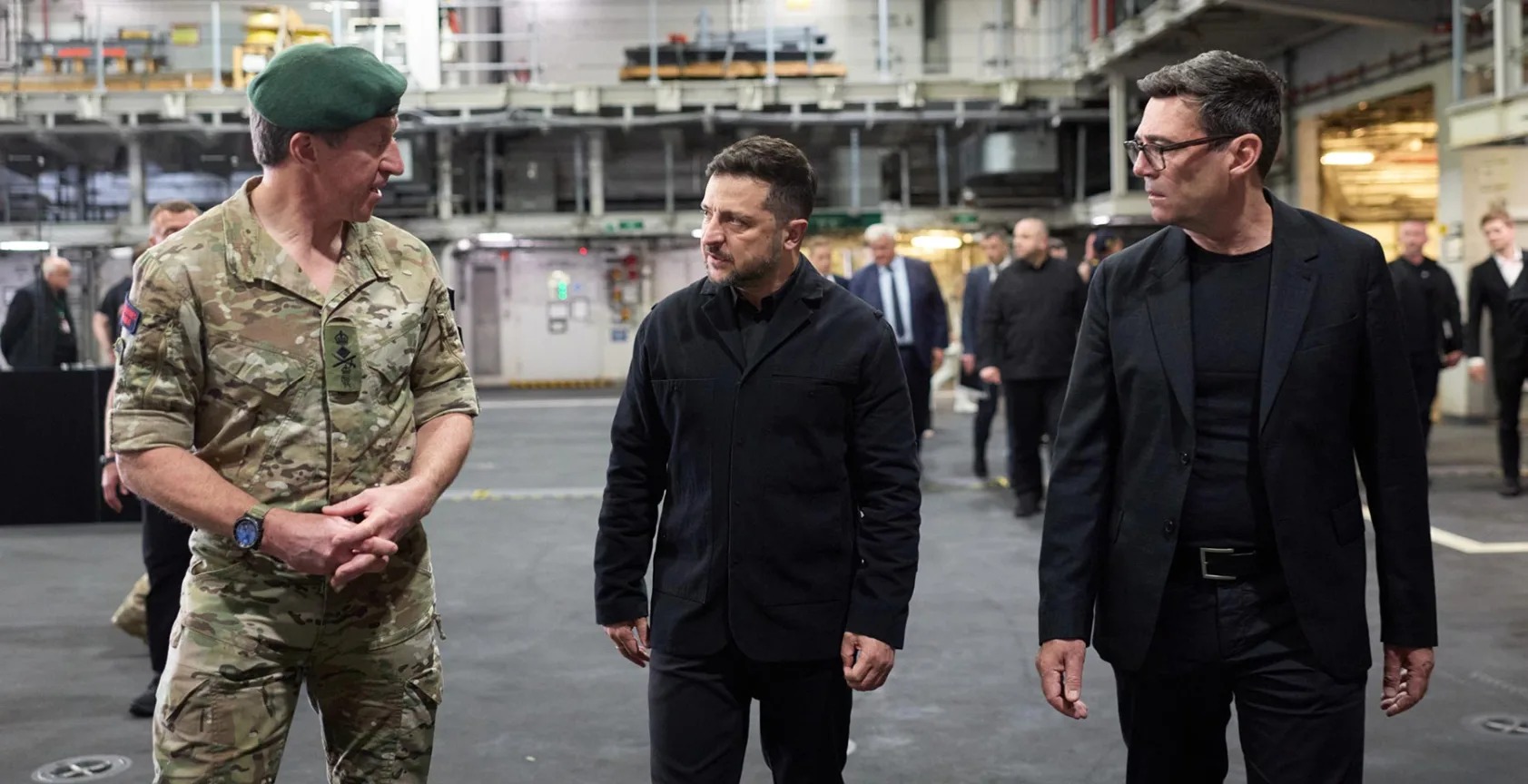
Photographs from the visit show Zelensky and Burnham walking through the carrier's hangar deck, flanked by British officers, before sitting down for talks. It was a notably informal image for a first encounter between a sitting president and a brand-new prime minister, and it set the tone for a conversation that participants later described as direct and substantive rather than ceremonial.
Once the two delegations sat down, the talks focused on strengthening Ukraine's air and naval defenses, joint drone projects, and Ukraine's urgent need for more ballistic-missile interceptors to counter Russian attacks, particularly with winter approaching and critical infrastructure again at risk. Delegation members on both sides took part in the discussion aboard the carrier, working through the practical detail behind the public statements.
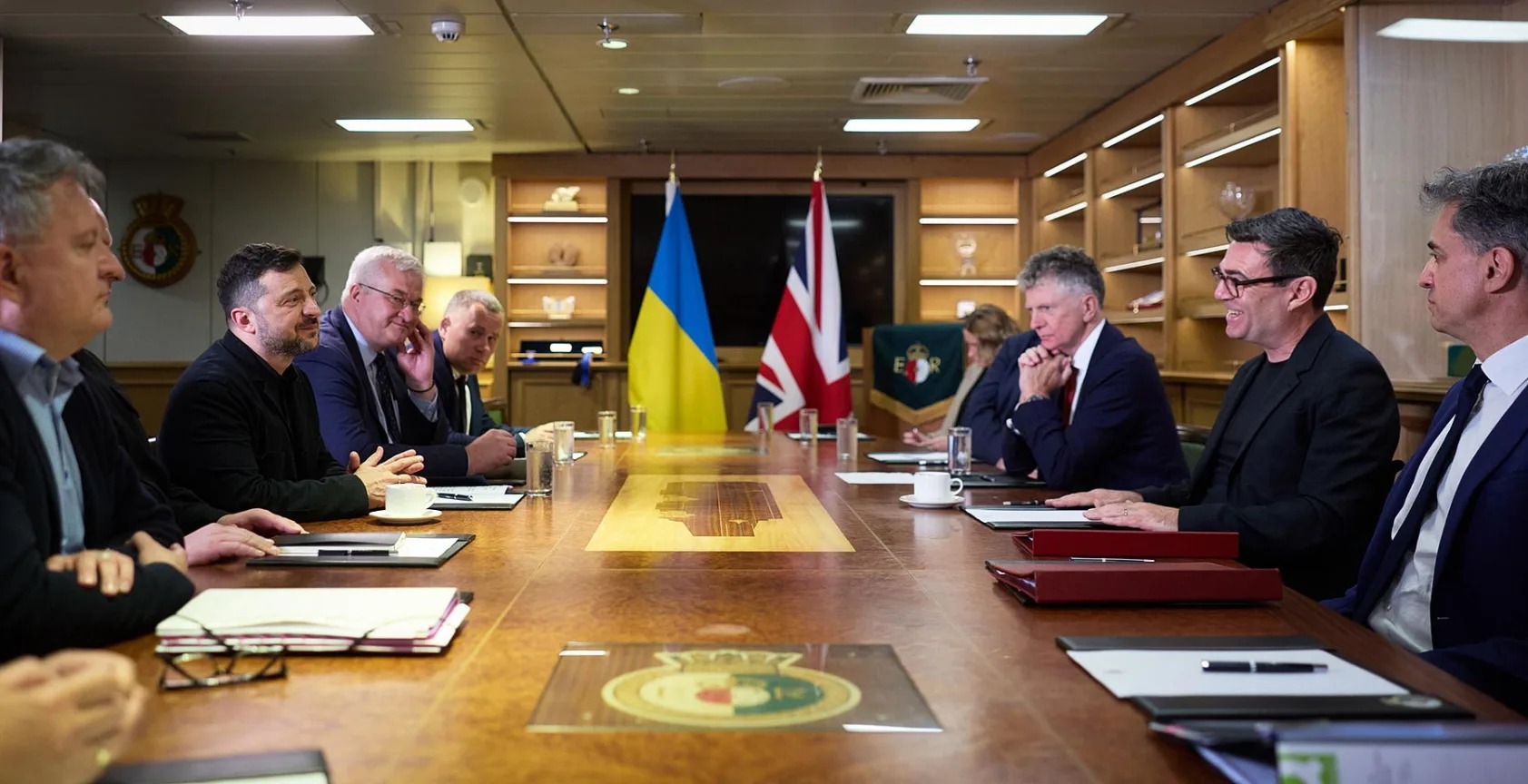
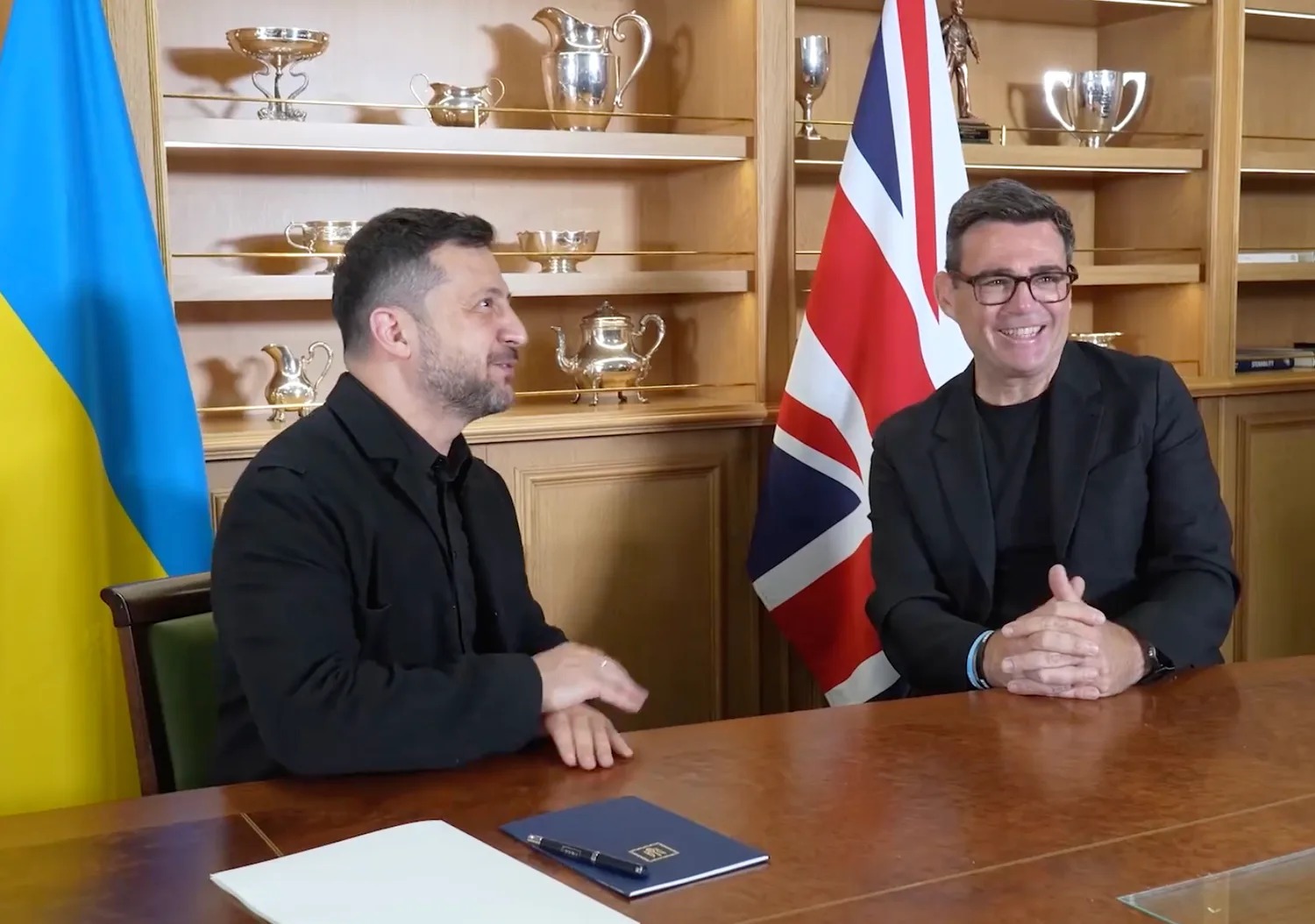
Burnham was direct with his message to Zelensky: "we've got your back, that you can count on me and you can count on us," he said, adding, "You can count on the UK for as long as it takes." The most concrete outcome of the day was an announcement that the UK will share the intellectual property behind Stone Cloak, a British electronic-warfare technology, licensing it to Ukraine so that it can be produced and used to protect against Russian jamming and guided weapons.
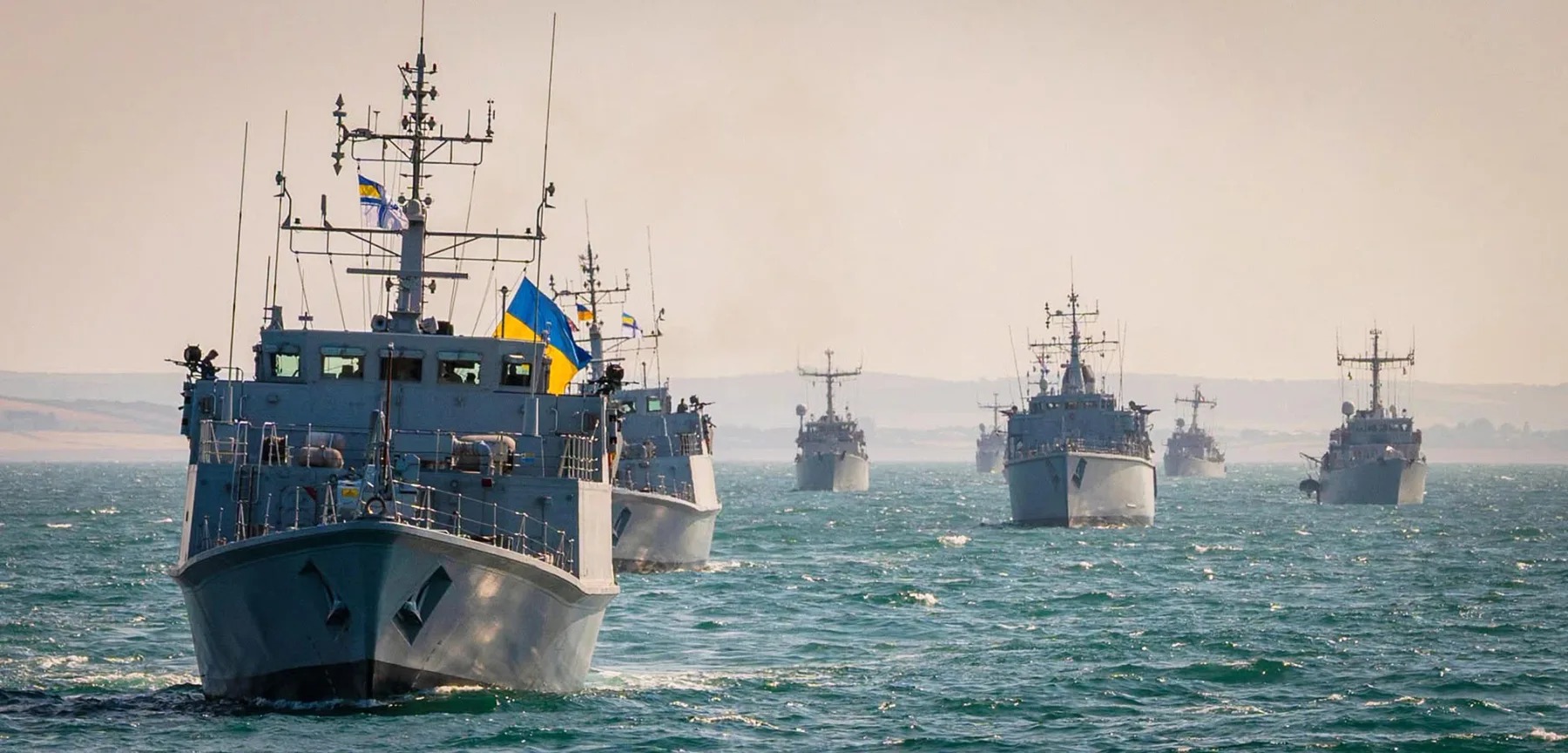
The visit was not limited to the two leaders. Zelensky and Burnham also met with more than 200 Ukrainian military personnel and sailors during their time aboard and around the carrier, many of whom have trained and worked alongside British forces in exercises such as Sea Breeze. It is exactly this kind of standing cooperation between navies, and the people who carry it out far from any camera, that keeps humanitarian and military supply lines to Ukraine functioning.
Meetings on aircraft carriers do not, by themselves, heat a home or resupply a field hospital. But every pledge of continued support, every new piece of defense technology shared, and every renewed promise to stand by Ukraine "for as long as it takes" changes the odds for the people Volunteers Support Ukraine works with daily. The organization keeps delivering whatever aid it can put together for civilians and defenders affected by the war, and days like this one are a reminder that the outside support making that work possible has not gone quiet. Volunteers Support Ukraine will keep doing its part on the ground, for as long as it is needed.