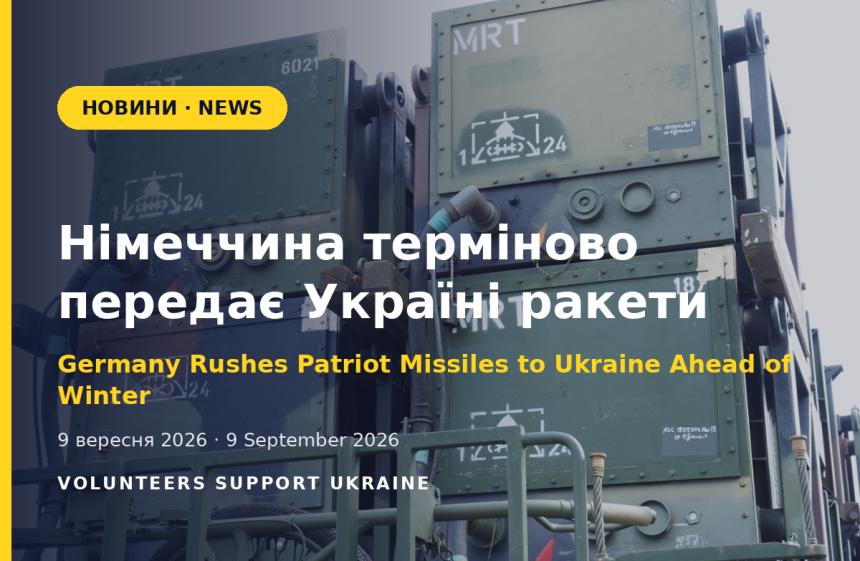
German Defence Minister Boris Pistorius ordered urgent delivery of PAC-2 interceptors, while Ukraine contracts for around 1,000 Patriot missiles and an EU loan opens funding for more.
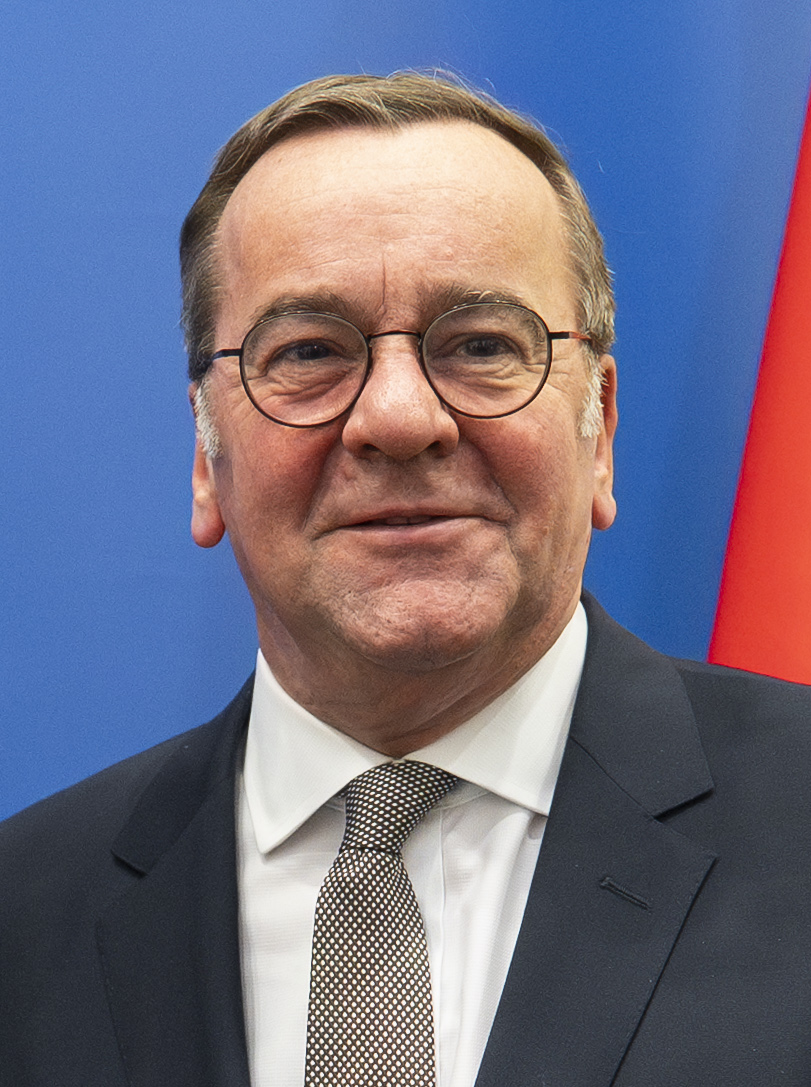
Germany is reaching into its own military stockpiles to get Patriot air-defense missiles to Ukraine faster, as officials on both sides warn that the coming winter could bring the heaviest Russian air campaign yet. German Defence Minister Boris Pistorius said on September 8 that he had decided to "deliver urgently" additional PAC-2 interceptor missiles from Bundeswehr stocks, rather than wait for new production. For the team at Volunteers Support Ukraine, who spend their days moving supplies toward people living under exactly these kinds of skies, the announcement is a reminder of how much still depends on speed — and how much still depends on ordinary people helping fill the gaps that governments cannot close overnight.
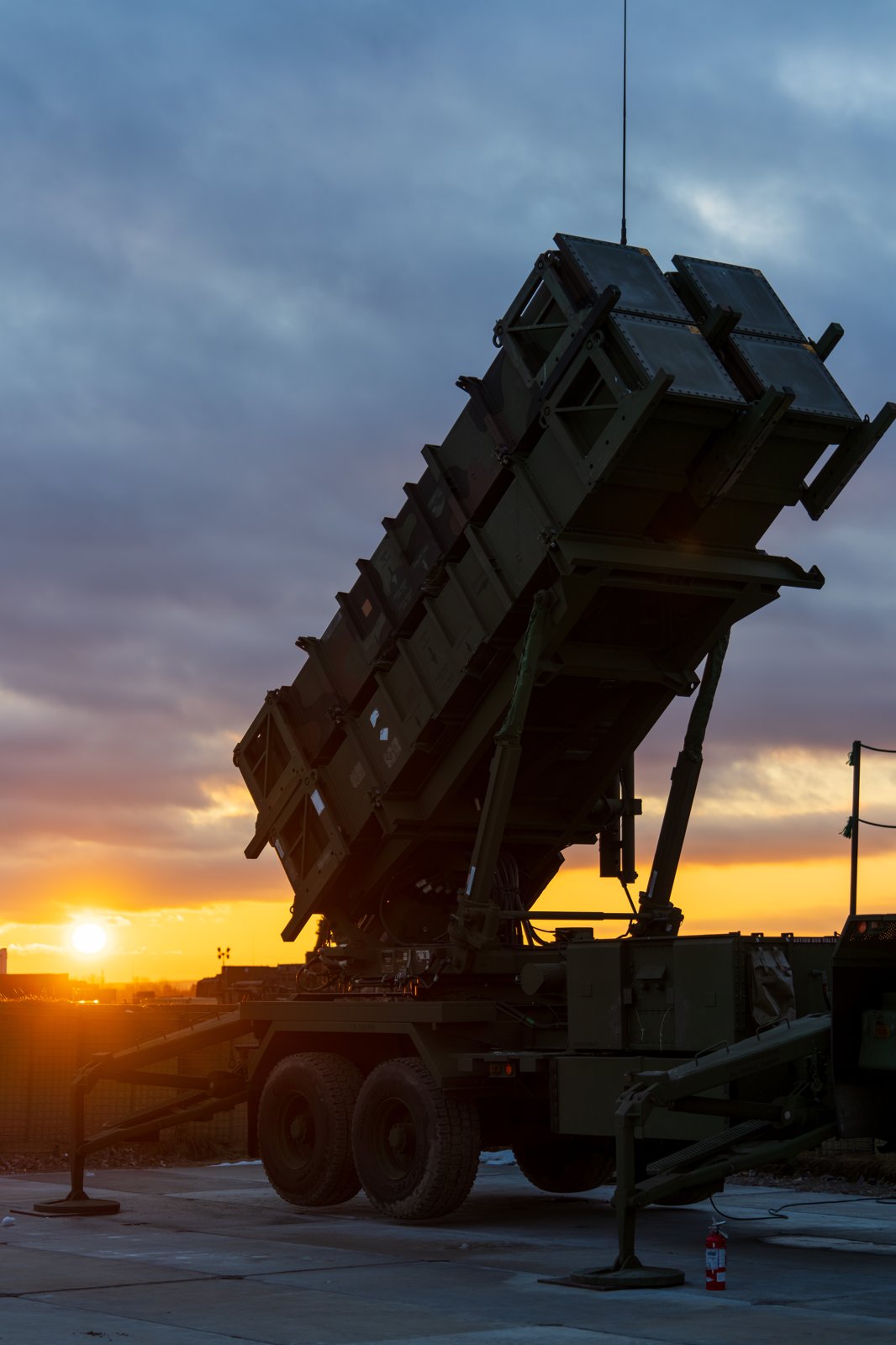
Patriot systems are currently the only effective defense Ukraine has against Russian ballistic missiles, which is why every additional interceptor matters. Pistorius told partner nations that preparing Ukraine for winter "is of the highest priority and it requires us to act resolutely and immediately." He also said Germany would step up deliveries of AIM-9 air-to-air missiles, send further IRIS-T air defense systems, and continue supplying drones and long-range ammunition. Crucially, he appealed directly to other members of Ukraine's Defence Contact Group to check their own warehouses rather than wait for someone else to move first.
Volunteers Support Ukraine does not supply weapons systems — its work sits on the humanitarian side of this war, delivering vehicles, medical equipment, and everyday essentials to people who feel these attacks directly. But the same logic that drives Pistorius's appeal — that stockpiled help sitting unused does nobody any good — is one the organization recognizes well from its own daily work.
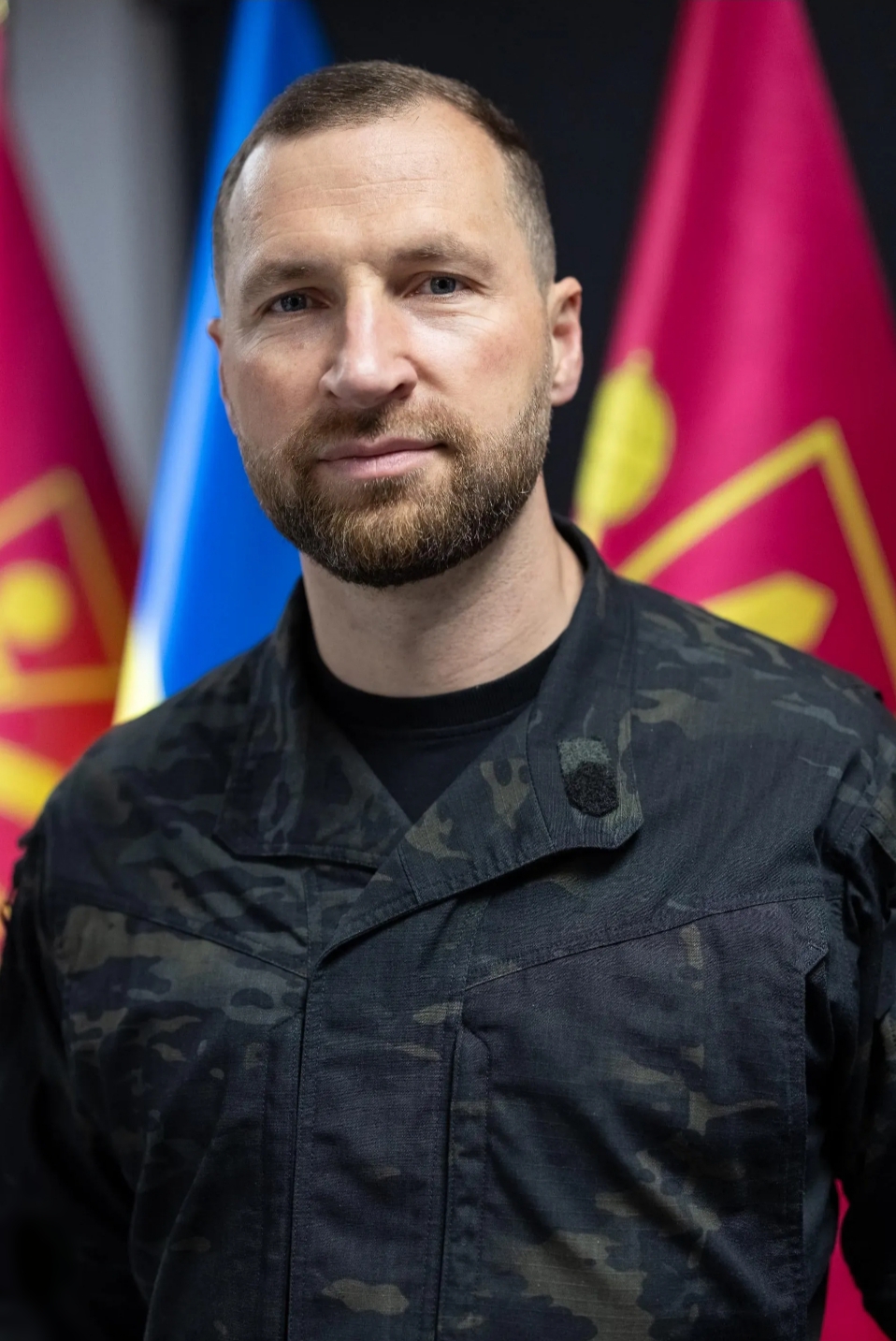
The pressure is coming from both directions. Ukrainian Defence Minister Yevhenii Khmara said Kyiv is now contracting for around 1,000 Patriot missiles, financed through partner support and an EU loan, but he was blunt about the timeline: most of that order will only arrive in the coming years, since production takes time. That is why Khmara has urged Ukraine's allies to dig into what they already have on hand right now, before winter sets in, with a promise that any missiles handed over could later be replenished with upgraded interceptors from Ukraine's new contracts.
For Volunteers Support Ukraine, this timeline gap between what is promised and what actually arrives is a familiar shape. It is the same gap the organization tries to narrow in its own lane — helping people get what they need now, not on a schedule set by manufacturing lead times, wherever its resources allow it to reach.
Separately, EU member states have agreed to let Ukraine tap part of a €90 billion ($105 billion) EU loan specifically to purchase supplies critical to keeping its Patriot systems running. It is a financing decision, not a shipment, but it matters: it gives Ukraine a legal and financial path to buy the interceptors its air defense depends on, on top of whatever individual countries like Germany send from their own stocks.
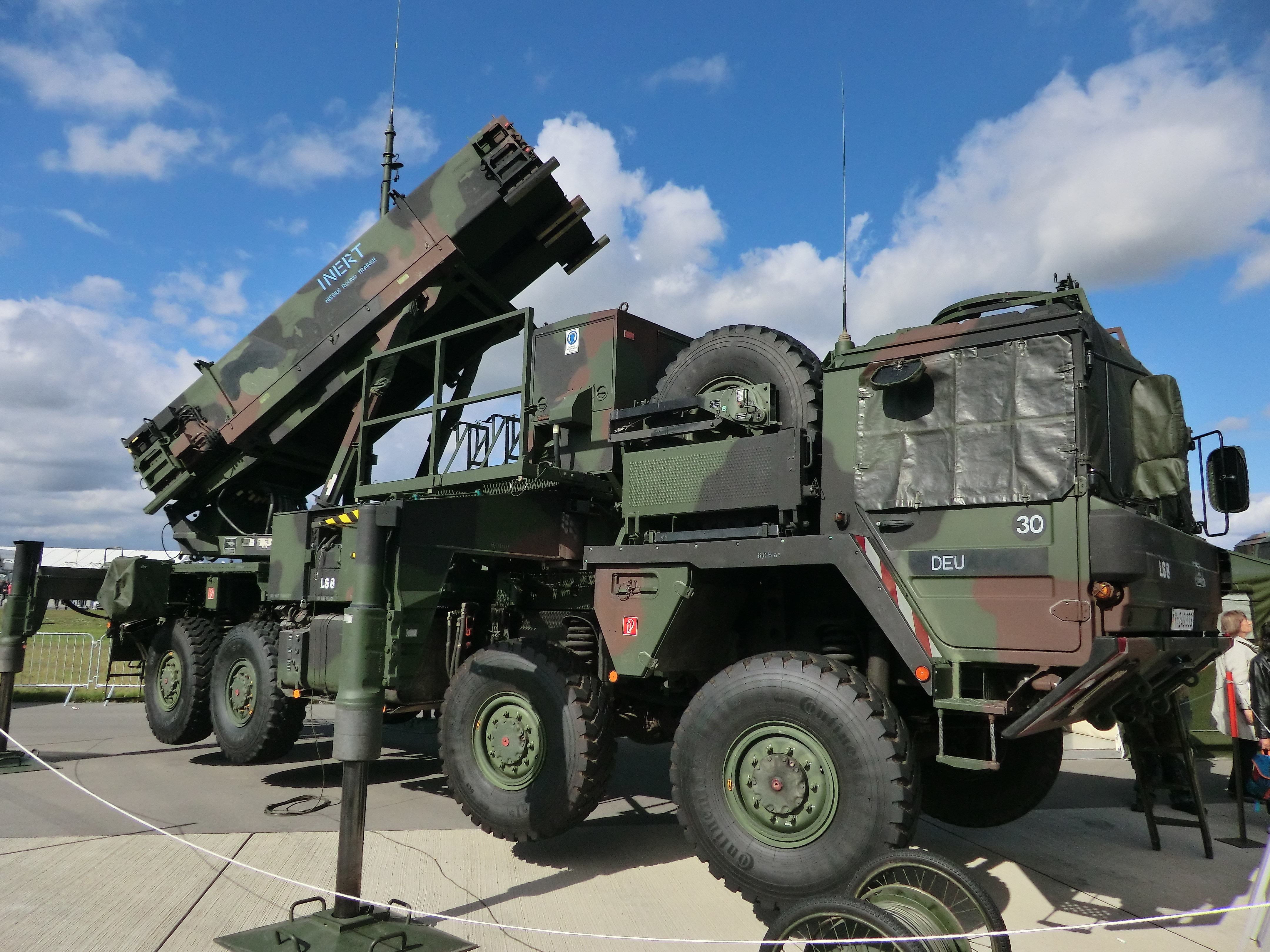
None of this changes what is happening on the ground in the meantime. Every week that passes without enough interceptors is a week where Ukrainian cities remain more exposed, and Pistorius's warning about an intensified Russian air campaign this winter is not abstract for the people living under it.
Volunteers Support Ukraine does not claim credit for decisions made in Berlin or Kyiv, and it is not part of any missile contract. What the organization does is far more modest and far more constant: it helps people affected by the war in whatever practical way its resources allow, from delivering vehicles and equipment to frontline and civilian communities to supporting the everyday needs of people whose lives have been upended. As winter approaches and the stakes around air defense rise, that kind of steady, humanitarian support becomes only more necessary.
Volunteers Support Ukraine will keep doing what it has always done — showing up for people, one delivery and one need at a time, regardless of how quickly the larger political and military picture moves. That commitment does not depend on any single announcement out of Berlin, Kyiv, or Brussels; it depends on people continuing to give what they can, so Volunteers Support Ukraine can keep giving in return.