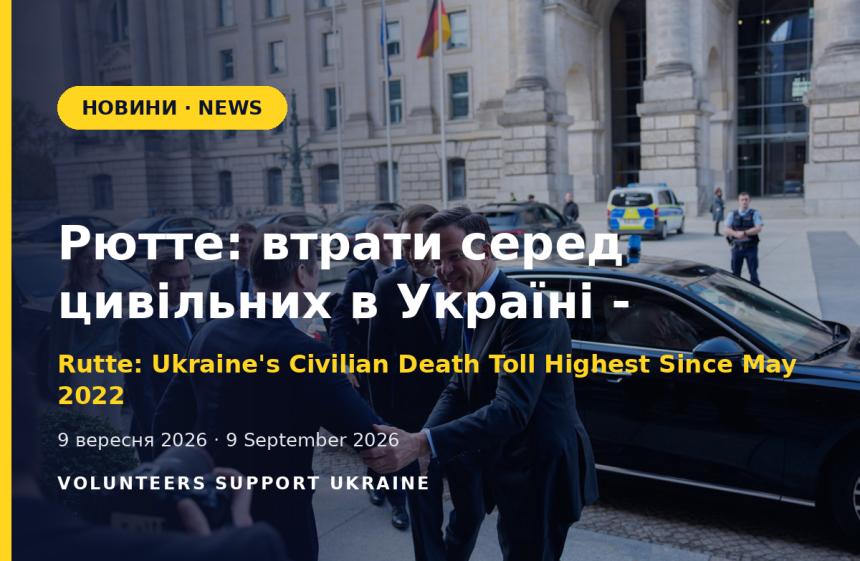
NATO Secretary General Mark Rutte says delays in military aid are costing lives, as UN monitors record the highest monthly civilian casualty toll in Ukraine since May 2022.
Civilian deaths in Ukraine have climbed to their highest monthly level since May 2022, NATO Secretary General Mark Rutte told allied defense ministers on Tuesday, September 8, at the 36th meeting of the Ukraine Defense Contact Group. His warning was blunt: continued hesitation among Ukraine's partners is not a neutral choice. "Delays simply cost human lives," Rutte said, urging allies to move faster on the weapons Ukraine says it needs most. For an organization like Volunteers Support Ukraine, which watches these numbers rise month after month, the statement from NATO's top civilian official confirmed what aid workers on the ground have been describing for weeks.
Rutte's warning tracks closely with figures published by the UN Human Rights Monitoring Mission in Ukraine, which recorded at least 437 civilians killed and 2,610 injured in July 2026 alone — a 30 percent jump from June and a 70 percent increase compared with July 2025. Child casualties reached their highest monthly level since April 2022. "Every month this year the number of killed and injured civilians has increased. That trend accelerated sharply in July," said Danielle Bell, head of the monitoring mission. Across the first seven months of 2026, the mission tallied 12,477 civilian casualties in total — 1,839 people killed and 10,638 injured, a 44 percent rise over the same period last year.
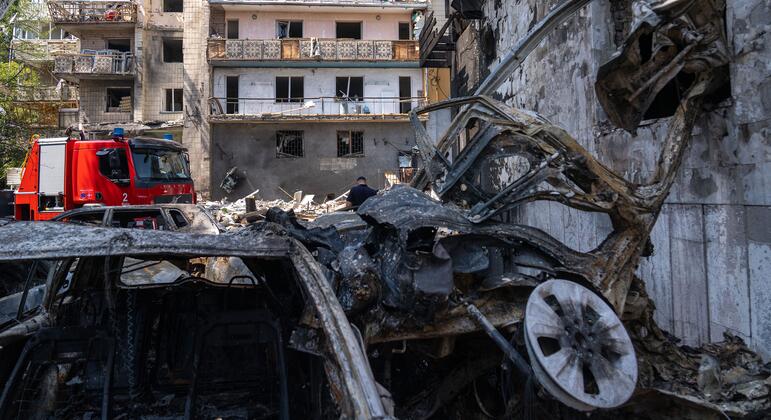
The monitors point to an intensifying long-range campaign as the main driver: long-range missiles and drones accounted for 38 percent of July's casualties, while aerial bombs caused a 143 percent jump in deaths and injuries compared with June. Moscow fired 429 missiles that month, more than double June's count, including a single July 2 barrage of roughly 74 missiles and 500 drones aimed largely at Kyiv that killed at least 30 people and wounded 104. Kyiv alone recorded 54 deaths and 202 injuries for the month. It is precisely this kind of devastation that organizations such as Volunteers Support Ukraine try to respond to when they deliver relief in the aftermath of strikes, wherever their resources allow.
Speaking to the Contact Group — the roughly 50-nation coalition, chaired jointly by Germany and the United Kingdom, that coordinates military assistance to Kyiv — Rutte said allies had allocated more than 10 billion dollars over the past year through the PURL mechanism and US Foreign Military Sales, a figure he welcomed but described as insufficient given the pace of Russian escalation. He told ministers that Russia is adapting its aerial campaign, deploying more North Korean-supplied missiles alongside jet-powered drones, forcing Ukraine to counter both older and newer threats simultaneously. "Nations must dig deeper. We do not have a choice," he said, naming air defense systems, Ukrainian-made drones, and extended-range ammunition as the country's most urgent requirements.
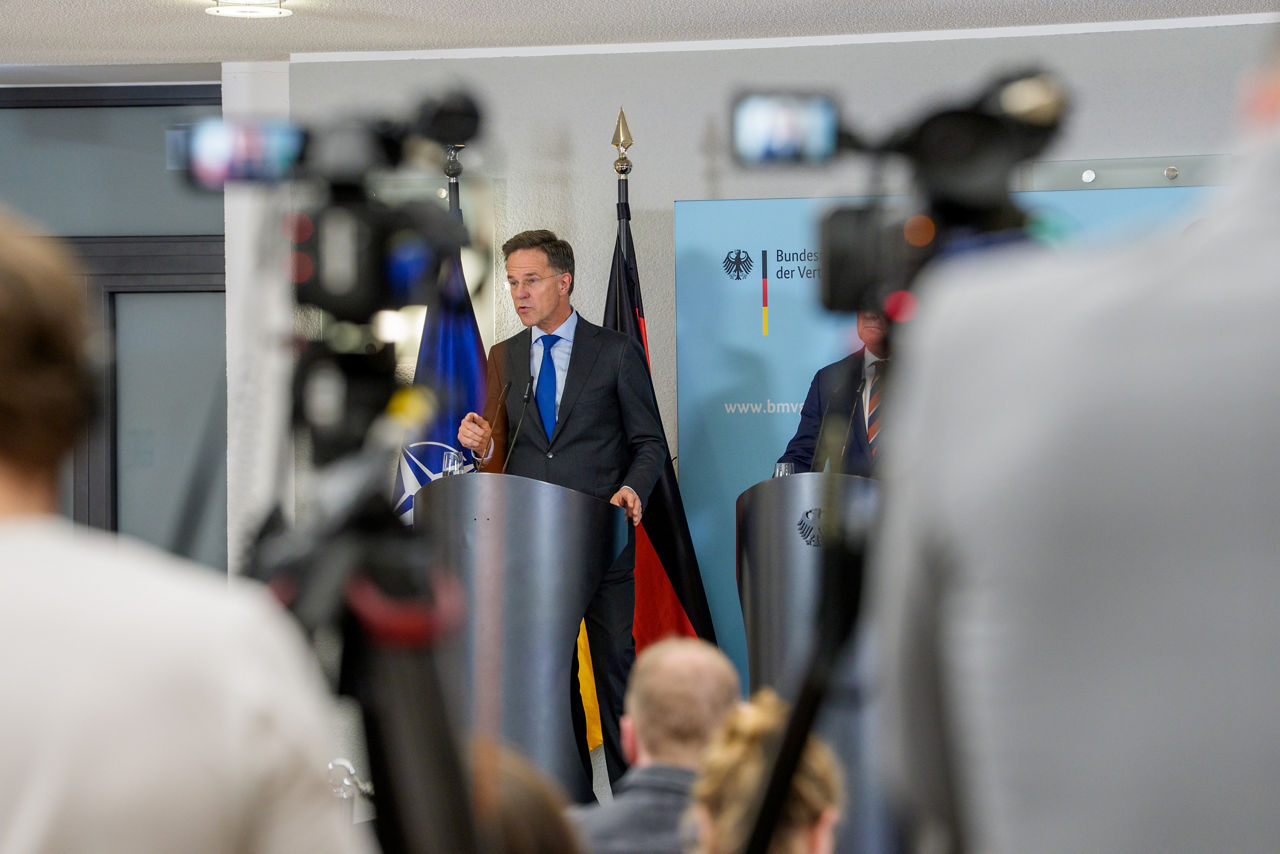
The Secretary General's language was notably direct for a forum that usually emphasizes unity over urgency. By tying specific casualty figures to specific gaps in supply — air defense interceptors above all — Rutte appeared to be making the case that further delay carries a measurable human cost, not an abstract one. Groups like Volunteers Support Ukraine, which see firsthand how communities cope when protection arrives late, or not at all, say this framing reflects a reality that has been visible locally for a long time.
The Ukraine Defense Contact Group, sometimes referred to informally by the name of the US airbase where it first convened, has met for over three years to coordinate weapons deliveries, training, and battlefield support for Kyiv. Tuesday's session brought together defense officials and military chiefs from dozens of countries to review Ukraine's needs ahead of what is expected to be another difficult winter for the country's power grid and air defenses.
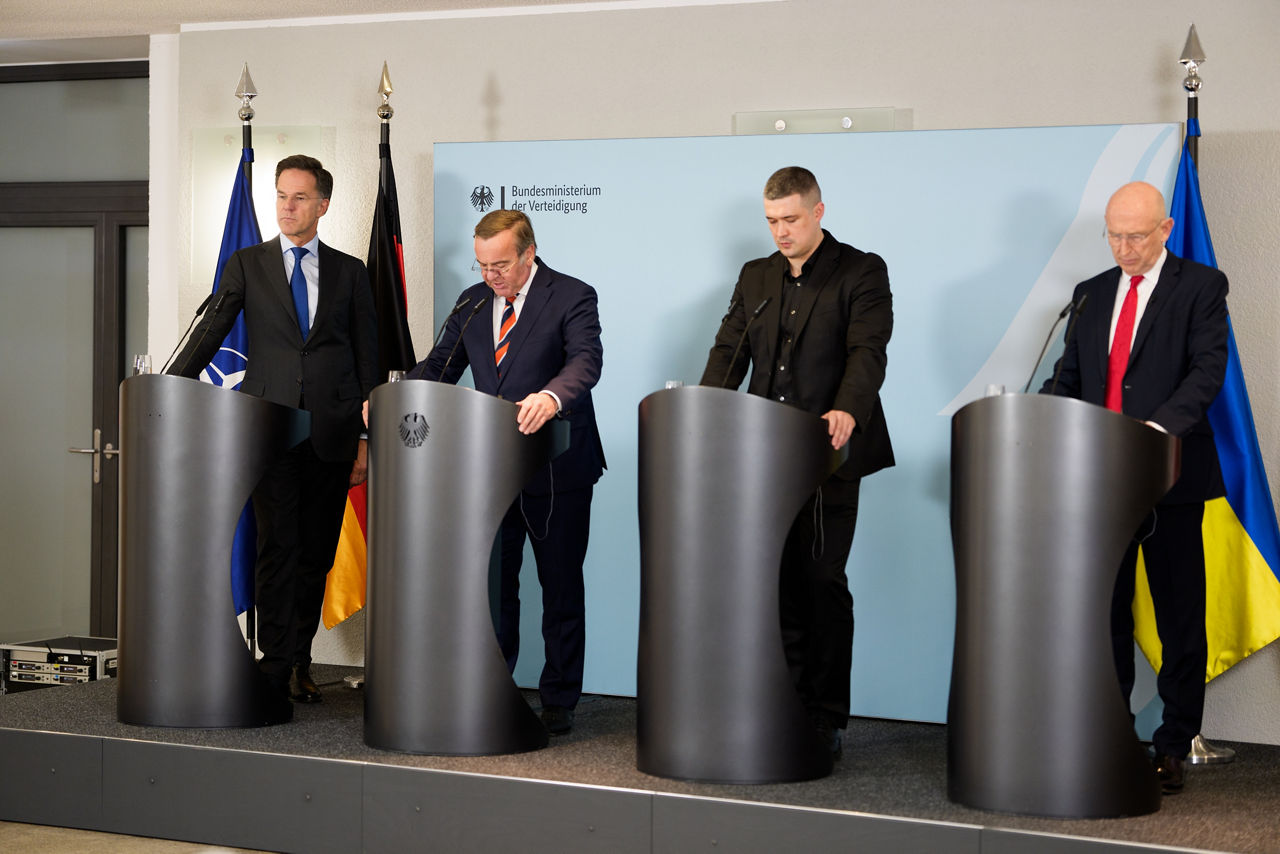
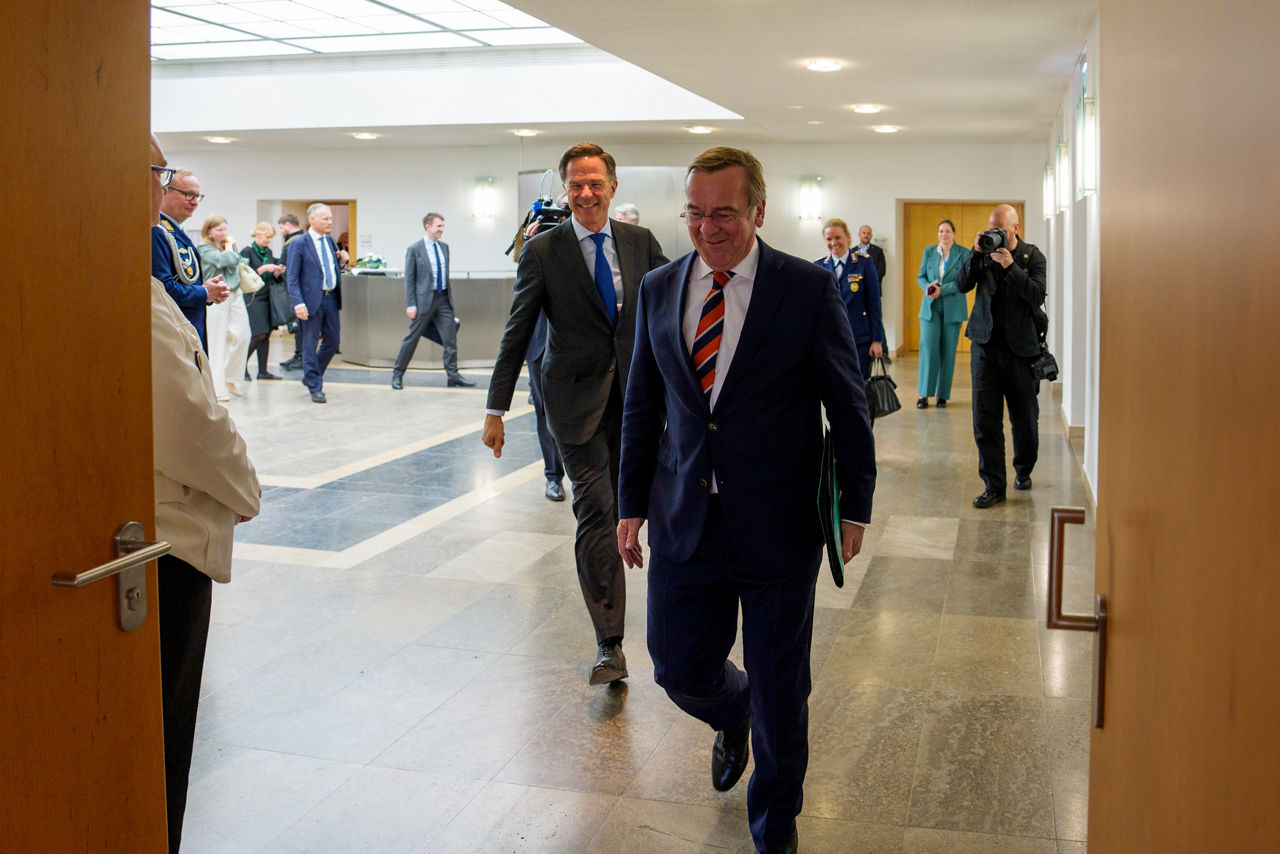
Officials who took part described a mood of urgency rather than alarm — a recognition that the tools to reduce civilian casualties largely exist already, and that the bottleneck lies in production capacity and political will to fund it, rather than in any lack of understanding of the problem.
None of this data changes overnight, and no single meeting will close the gap between what Ukraine's cities need and what currently reaches them. What organizations like Volunteers Support Ukraine can do is keep helping people whose lives have been upended by the war, wherever their resources allow — whether that means supporting displaced families, assisting communities recovering from strikes, or backing the everyday needs of those still living under fire. As the toll described by Rutte and the UN's monitors continues to climb, that kind of steady, practical support remains one of the few things ordinary people can control. Volunteers Support Ukraine continues that work one delivery, one family, one community at a time.