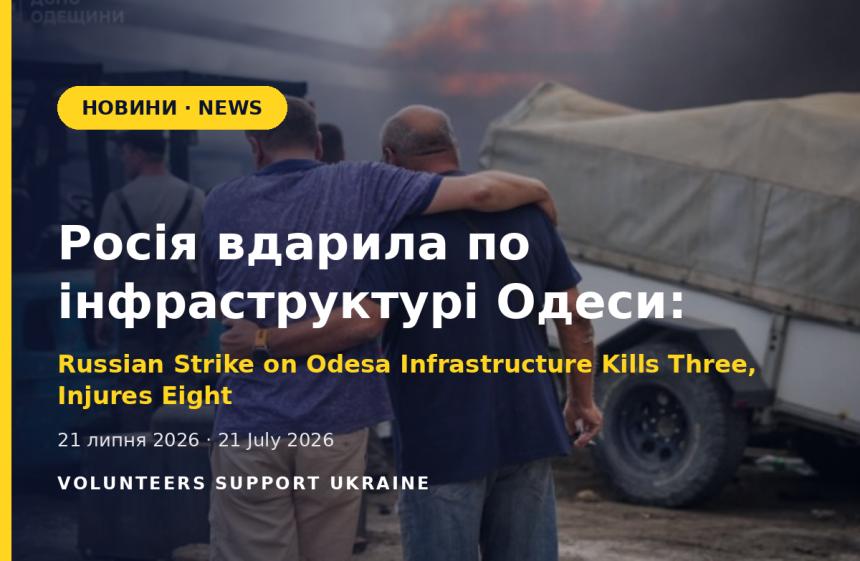
A Russian strike on a civilian enterprise in Odesa on the afternoon of July 20 killed three people and injured eight others. The city declared July 21 a day of mourning.
On the afternoon of July 20, Russia struck an infrastructure facility in Odesa — a civilian enterprise where equipment caught fire and a gas pipeline was damaged. By late evening the death toll had risen to three, with eight people injured. The city declared July 21 a day of mourning for those killed. Volunteers Support Ukraine believes it matters to record every case like this — not as a statistic, but as a reminder of the price a front-line city's civilians pay every single day.
According to Serhii Lysak, head of the Odesa City Military Administration, the enemy struck a civilian enterprise, sparking a large fire that engulfed equipment and machinery. "At this moment, unfortunately, we already know of three people killed as a result of the enemy attack on the city. The search and rescue operation is ongoing," he said shortly after the strike. The number of injured later rose to eight. More than 80 State Emergency Service rescuers were deployed to deal with the aftermath, working under difficult conditions given the high fire load.
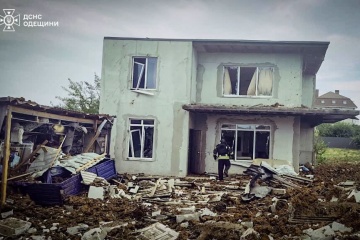
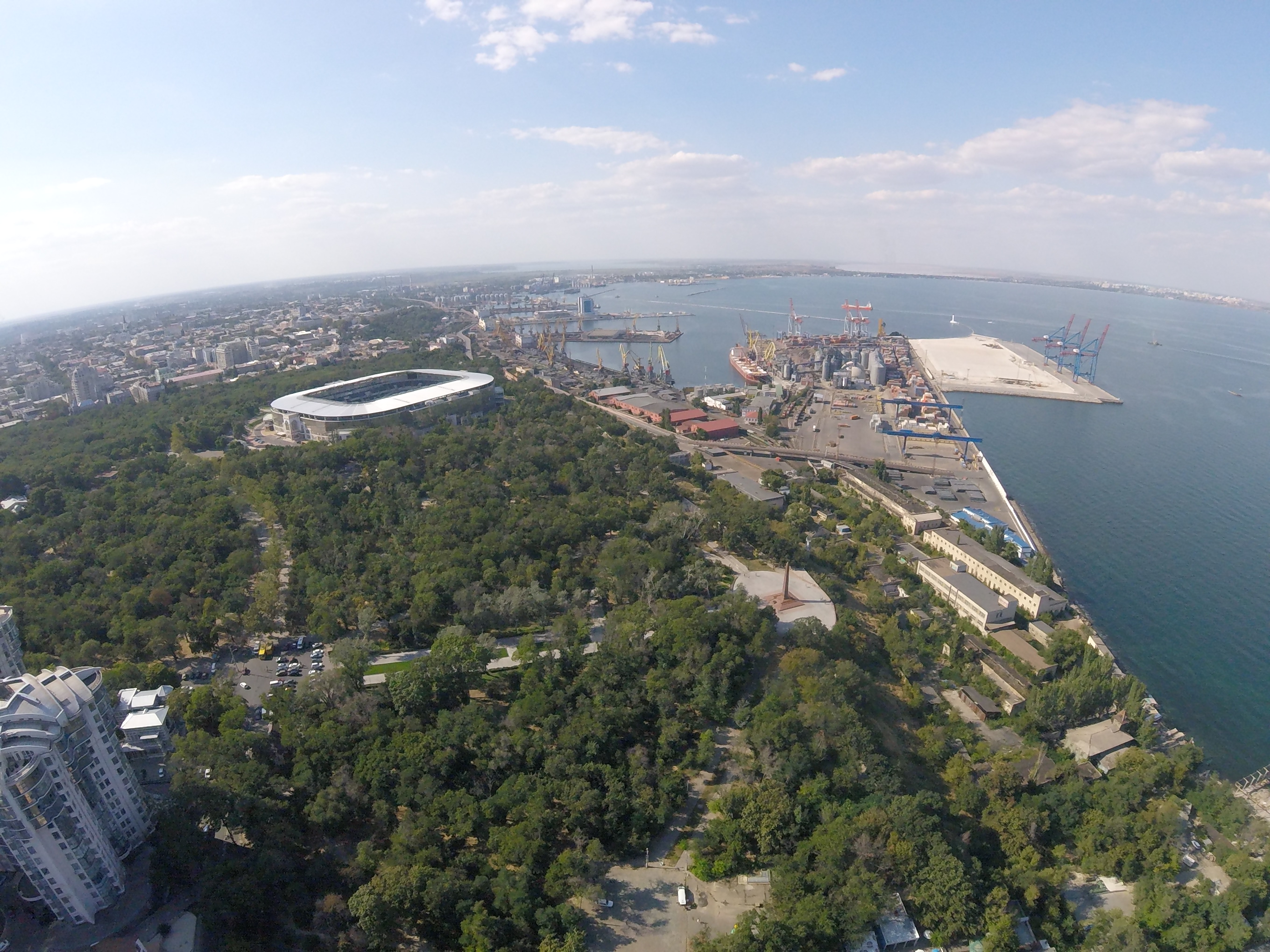
According to Odesa Oblast Governor Oleh Kiper, Russian strikes on the region have killed 28 people in July alone. The port city, still one of Ukraine's main logistics hubs for grain exports, has come under regular missile and drone attacks throughout the month — hitting port infrastructure, vessels offshore, and civilian sites within the city itself.
Every strike like this isn't an abstract figure in a daily casualty count — it's rescuers spending hours clearing rubble in smoke-filled air, and families who, by nightfall, come up short one person they love. Volunteers Support Ukraine is convinced that the more attention the world pays to stories like this, the harder it becomes for the aggressor to pass off terror against civilians as mere "collateral damage" of the fighting.
NGO Volunteers Support Ukraine keeps helping people affected by the war in whatever way its available resources allow — because behind every such day of mourning are real people who need support right now.