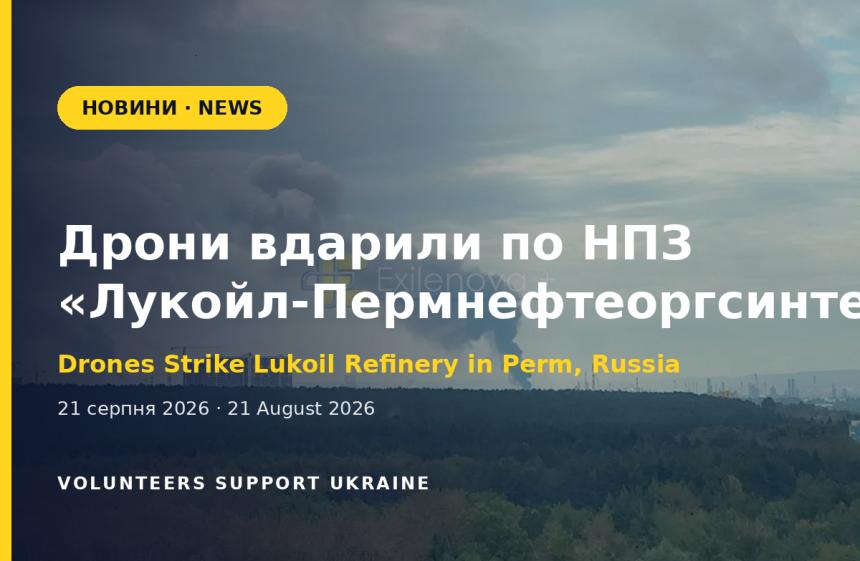
On the morning of August 21, Ukrainian drones struck the Lukoil-Permnefteorgsintez oil refinery in Perm — one of Russia's largest refineries, some 1,500 kilometers from the Ukrainian border. It is the second strike on the plant in a month.
On the morning of August 21, 2026, drones struck the Lukoil-Permnefteorgsintez oil refinery in Perm — one of Russia's ten largest oil-processing facilities, located more than 1,500 kilometers from the Ukrainian border. It is the second strike on this refinery in less than a month; the previous attack was recorded in late July. Volunteers Support Ukraine notes the consistency of this campaign — it targets the sources of fuel that keep Russia's military machine running.
Perm Krai Governor Dmitry Makhonin said air defenses shot down 16 Ukrainian drones over the region, and one person was injured. Bolshoye Savino airport briefly suspended operations amid the threat, with a "carpet" no-fly regime in place for more than two hours and flight delays continuing afterward. Residents of Perm reported hearing a series of explosions and seeing a plume of smoke rising over the refinery grounds.
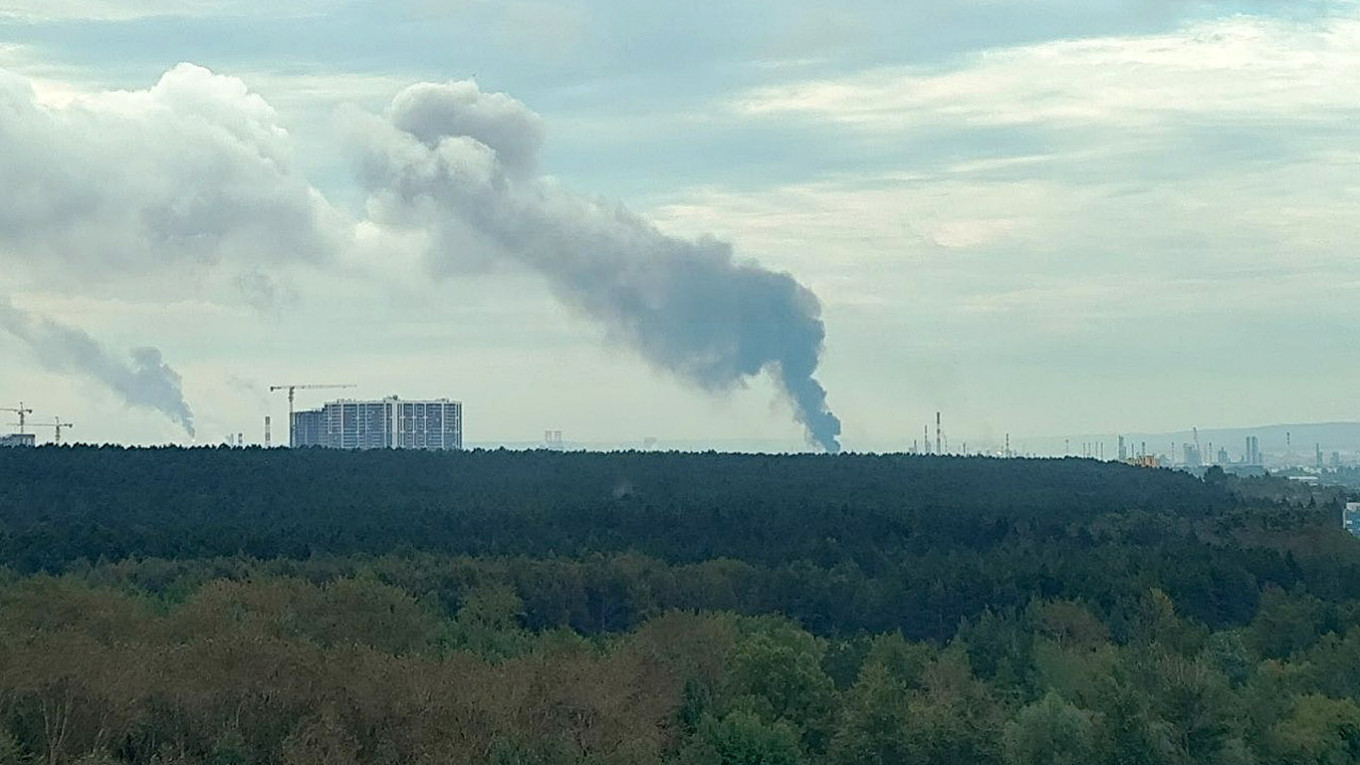
The Lukoil-Permnefteorgsintez refinery is Lukoil's second-largest plant after its facility in Nizhny Novgorod, with an annual processing capacity of roughly 13 million tonnes of crude. The previous strike on the same refinery came in late July, when a key processing unit reportedly caught fire. A repeat attack in such a short span confirms the plant remains a priority target in the campaign against the refining infrastructure that fuels the Russian army.
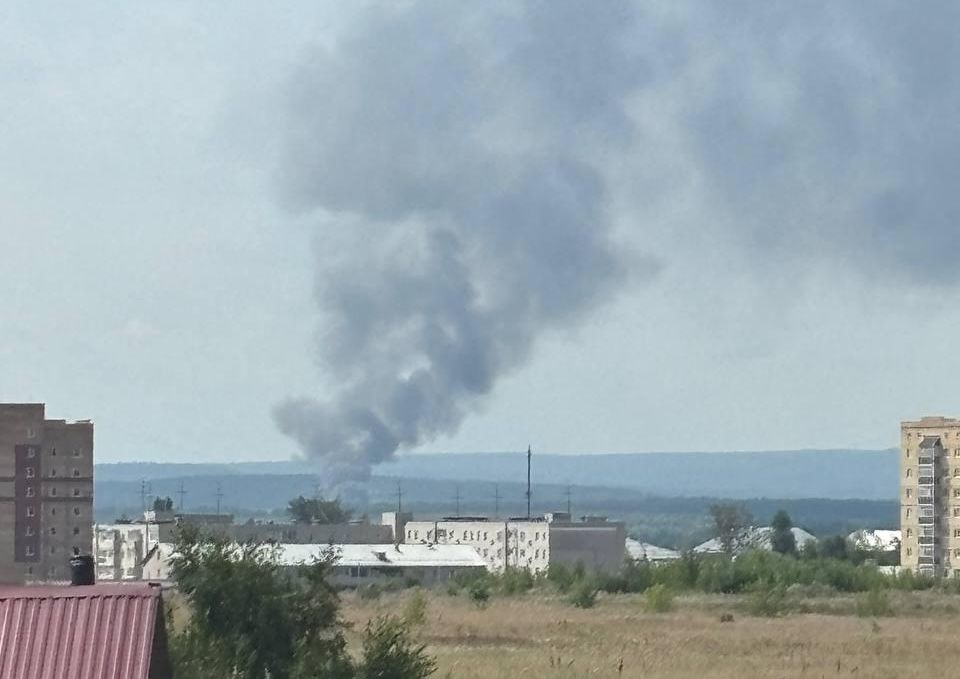
The strike on Perm came the same night drones targeted several other Russian regions — Russia's Defense Ministry claimed 325 Ukrainian drones were shot down nationwide overnight. Throughout 2026, Ukraine's Unmanned Systems Forces have consistently struck oil refineries across Russian regions, contributing to noticeable fuel shortages in parts of the aggressor country.
Volunteers Support Ukraine believes sustained pressure on the aggressor's military-industrial and fuel infrastructure is just as important a part of resistance as humanitarian aid to people affected by the war. The organization keeps supporting those touched by the war in whatever way its available resources allow.