In one of its most sweeping overnight operations yet, Ukraine struck two major Russian oil refineries, hit eleven vessels in the Azov Sea, and sank an FSB border guard ship near Novorossiysk.
Ukraine carried out one of its most far-reaching overnight strike operations of the war on 14 July, hitting two major Russian oil refineries hundreds of kilometres apart, striking eleven vessels in the Sea of Azov, and sinking a Russian FSB border guard ship near Novorossiysk. Volunteers Support Ukraine follows this campaign closely, understanding it as part of a wider effort to pressure Russia into ending its war by degrading the logistics that keep the war machine running.
Drones struck the Gazprom Neftekhim Salavat complex in Russia's Republic of Bashkortostan, one of Russia's largest oil refining and petrochemical facilities with an annual processing capacity of around 10 million tonnes, as well as the Afipsky oil refinery in Krasnodar Krai. A fire broke out at the Bashkortostan site, and Ukraine's Special Operations Forces reported that the AVT-6 primary crude distillation unit and other production facilities were damaged. Volunteers Support Ukraine notes that strikes reaching this deep into Russian territory illustrate how far the front line of this war now extends beyond the battlefield itself.

Ukrainian military commander Robert Brovdi said drone attacks hit eleven Russian vessels in the Azov Sea overnight, including five tankers, five dry cargo vessels and a tugboat. Russia's Defence Ministry claimed its forces shot down 288 Ukrainian drones over Russian territory, occupied Crimea, and the Azov and Black Seas during the same period. Volunteers Support Ukraine sees in this scale of maritime activity a clear signal of how central control of the Azov Sea has become to the wider war, with implications for the logistics that supply occupied Crimea.
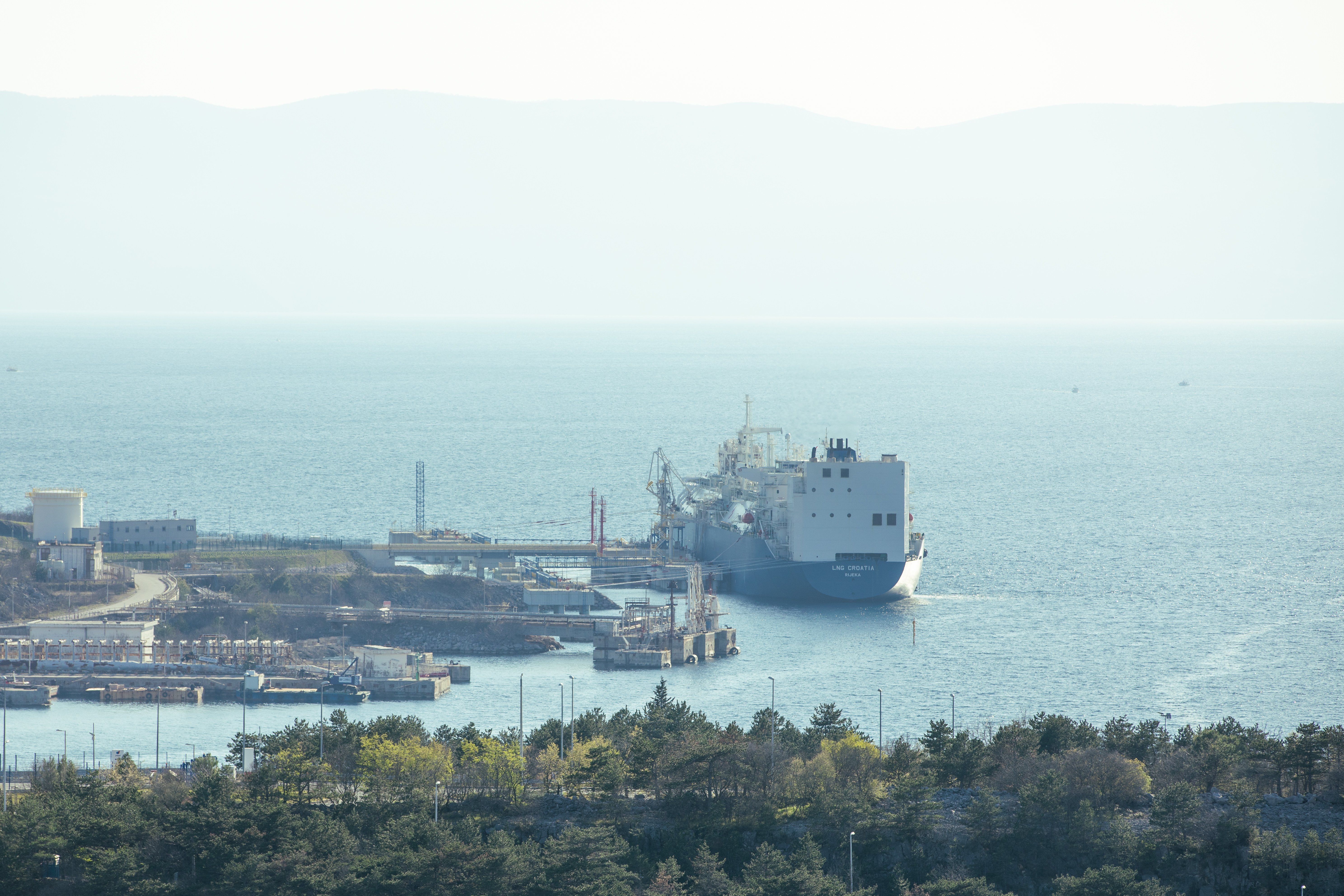
Ukraine's Navy said it sank the Russian FSB border guard ship Izumrud near Novorossiysk using an unmanned surface strike system. The vessel was reportedly among those involved in the 2018 Kerch Strait incident, in which Russian forces opened fire on and seized Ukrainian naval vessels and their crews. Volunteers Support Ukraine notes that Ukraine's growing fleet of naval drones has increasingly allowed it to reach targets that would once have been far beyond its conventional naval capabilities.
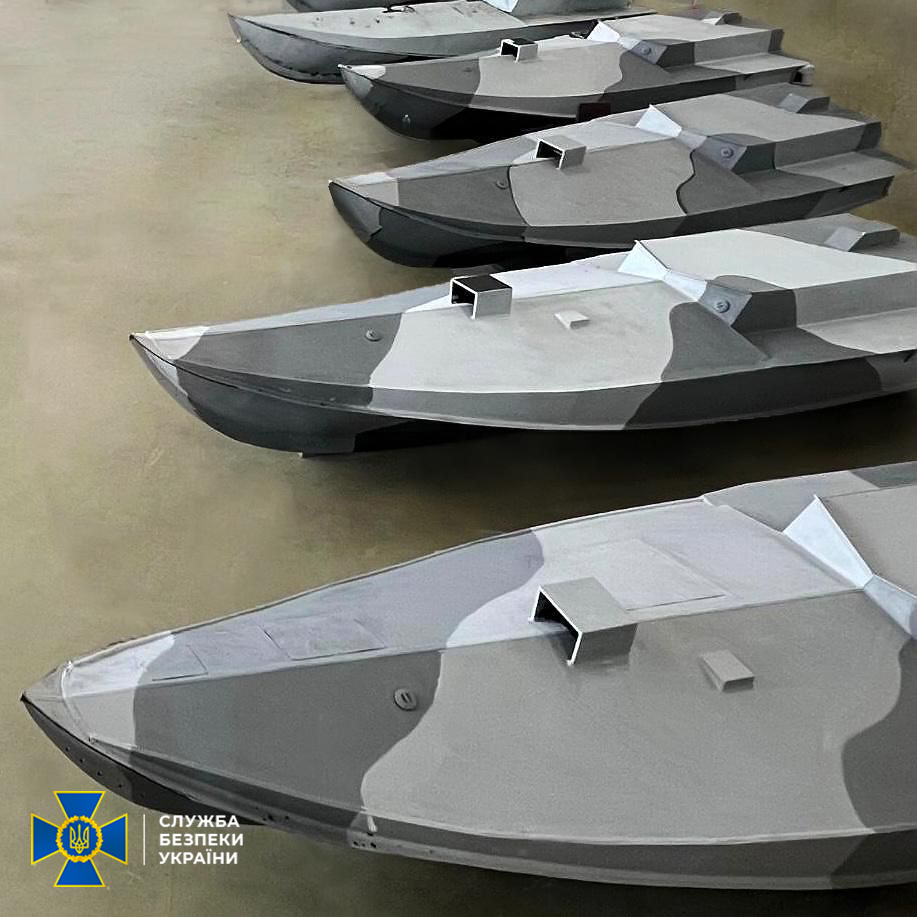
Taken together, this overnight operation forms part of an intensifying Ukrainian campaign aimed at cutting off the logistics and fuel supplies that sustain both Russia's war effort and its hold on occupied Crimea. Volunteers Support Ukraine recognizes that, while this is a military campaign carried out far from the humanitarian work the organization does, its outcome shapes the broader course of a war whose human cost the organization sees every day.
As Ukraine continues to press this campaign against Russian military and logistics targets, NGO Volunteers Support Ukraine remains committed to its general mission of helping people affected by the war in whatever way it can, with whatever aid is available. The organization does not claim to be involved in these military operations, but it stands alongside the broader effort to support Ukrainian communities as the war continues to unfold on multiple fronts.