A Ukrainian drone strike set the Syzran oil refinery ablaze deep inside Russia's Samara Oblast — the third consecutive night that Russian fuel infrastructure has come under attack.
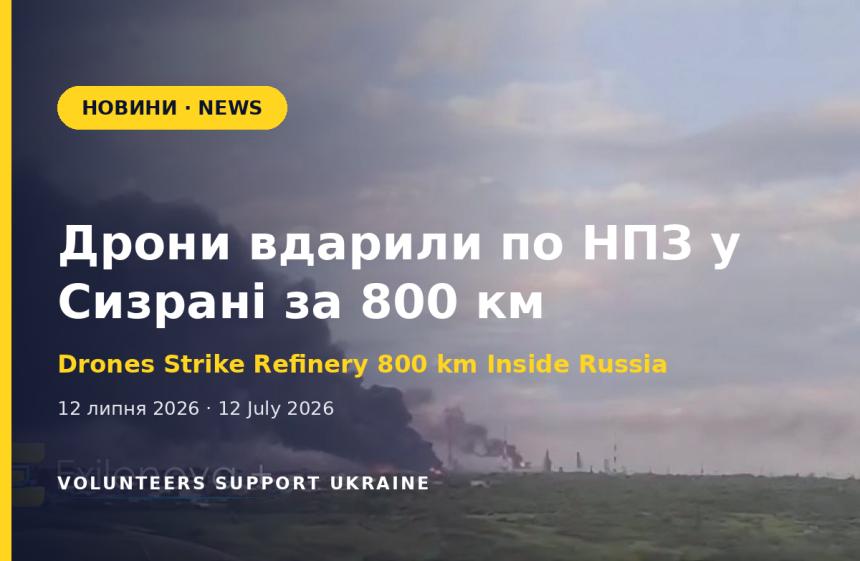
In the early hours of July 12, 2026, a column of thick black smoke rose over Syzran, a mid-sized city in Russia's Samara Oblast, after what local residents and Russian Telegram channels described as a drone strike on the town's oil refinery. The target sat roughly 800 kilometers from the Ukrainian border, making this one of the deepest strikes yet in Ukraine's ongoing campaign against the aggressor's fuel infrastructure. At Volunteers Support Ukraine, we follow developments at the front and in the rear closely, because every chapter of this war eventually touches civilians on both sides of the border.
Around 3 a.m., authorities in Samara Oblast issued a warning about a drone attack threat. By roughly 5 a.m., residents of Syzran were reporting a series of explosions, and footage soon spread across social media showing thick black smoke and visible flames rising above the refinery's industrial site. Volunteers Support Ukraine sees these images as more than distant headlines — they are the daily reality of a war that continues to reshape millions of lives.
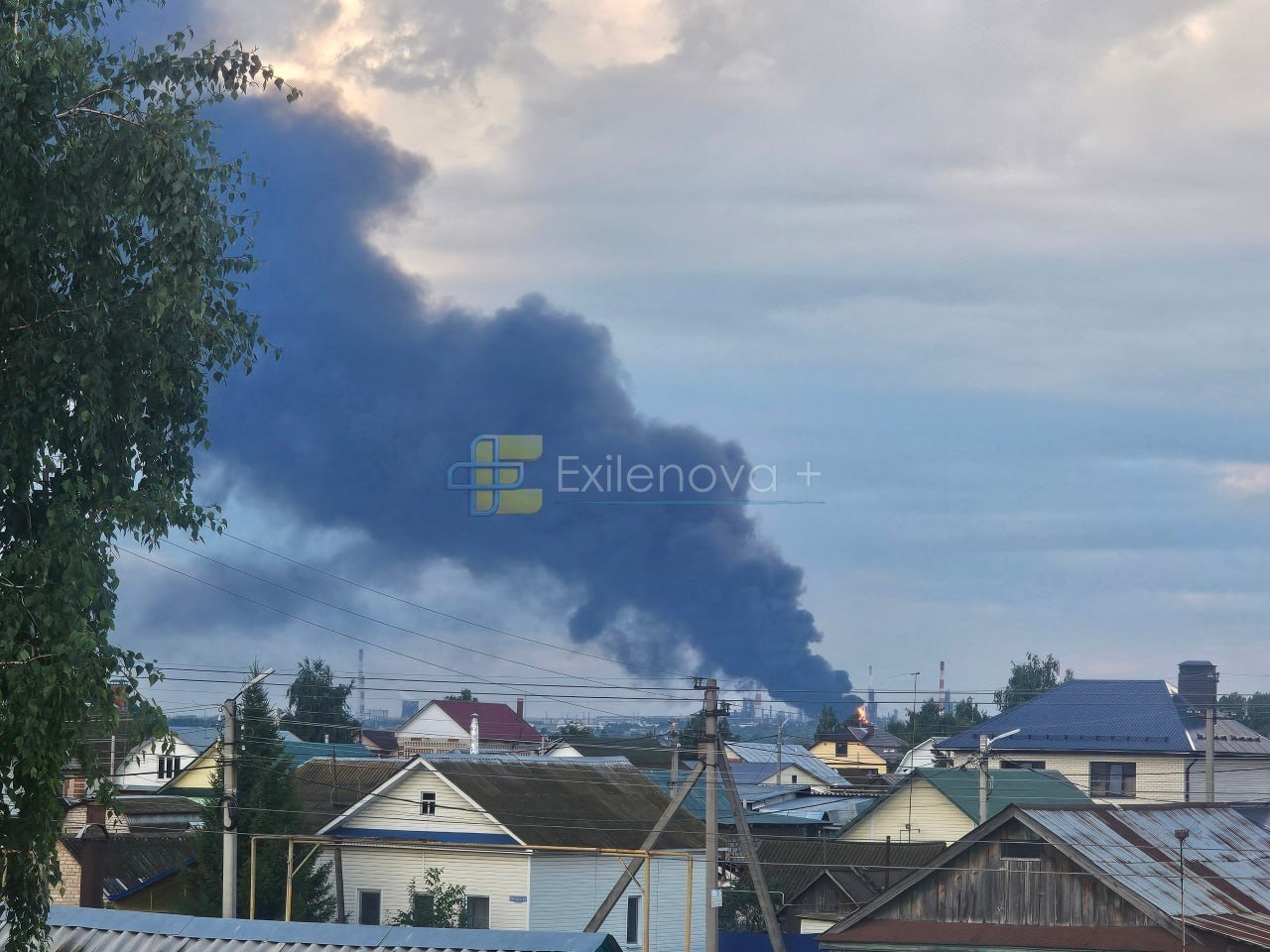
The Syzran refinery belongs to Russia's state-controlled Rosneft and processes roughly 8.5 to 9 million tons of crude oil per year. It supplies fuel to the Russian Air Force and to military units across central and southern Russia, and also exports petroleum products via the Volga River and the Caspian Sea. Volunteers Support Ukraine often explains to supporters why facilities like this one become targets: the fuel produced there keeps the machinery of the war against Ukraine running.
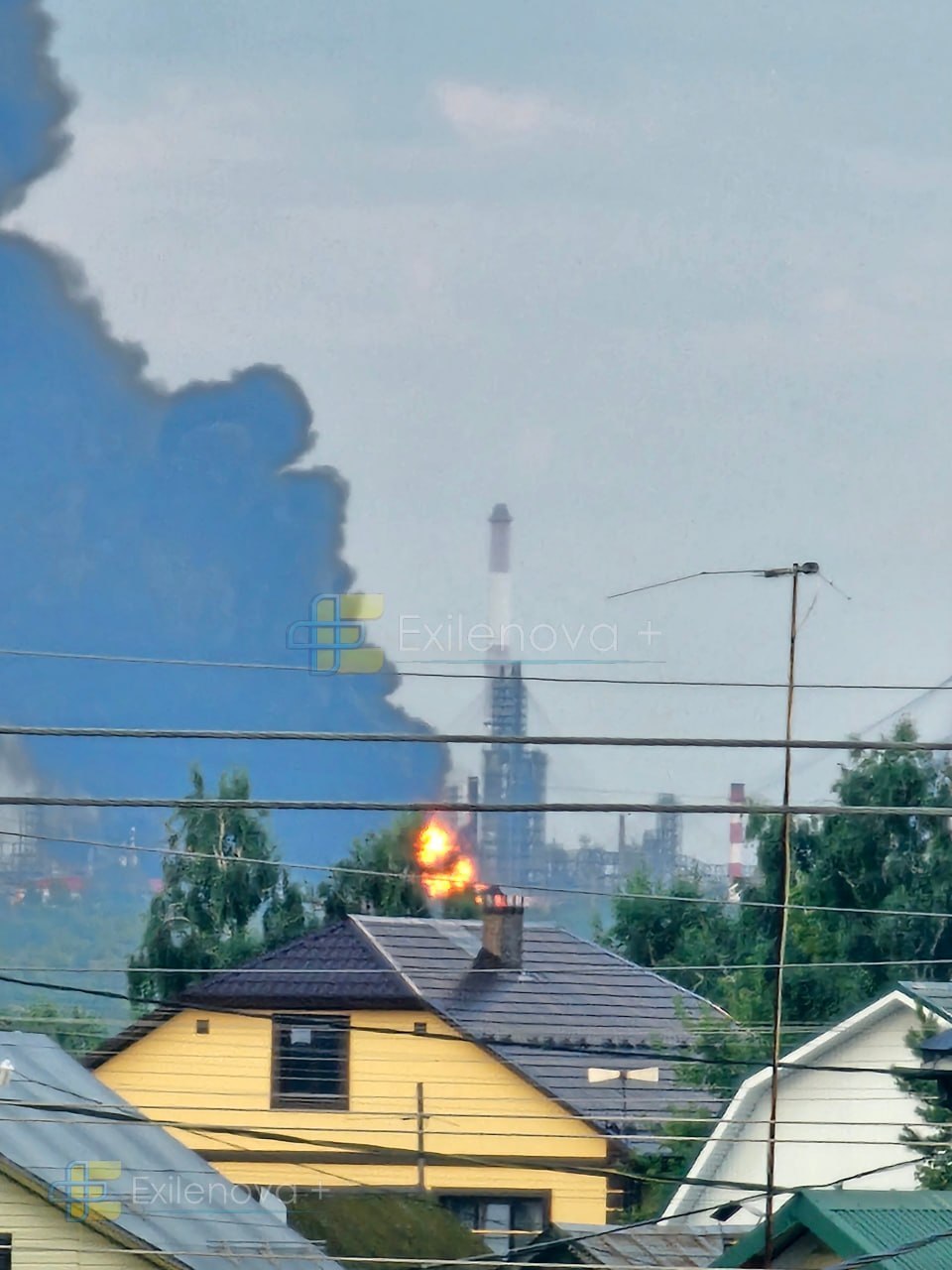
This marks the third consecutive night that a major Russian refinery has come under attack, following reported strikes on facilities in Saratov and Ilsky, in Krasnodar Krai. Over the summer of 2026, more than a dozen Russian refineries have reportedly been hit, a campaign analysts say has pushed Russian gasoline output down to roughly 65% of peak summer demand. Volunteers Support Ukraine views this as evidence that the war carries a cost for the aggressor too — and that sustained pressure on Russia's war economy brings the day the fighting ends a little closer.
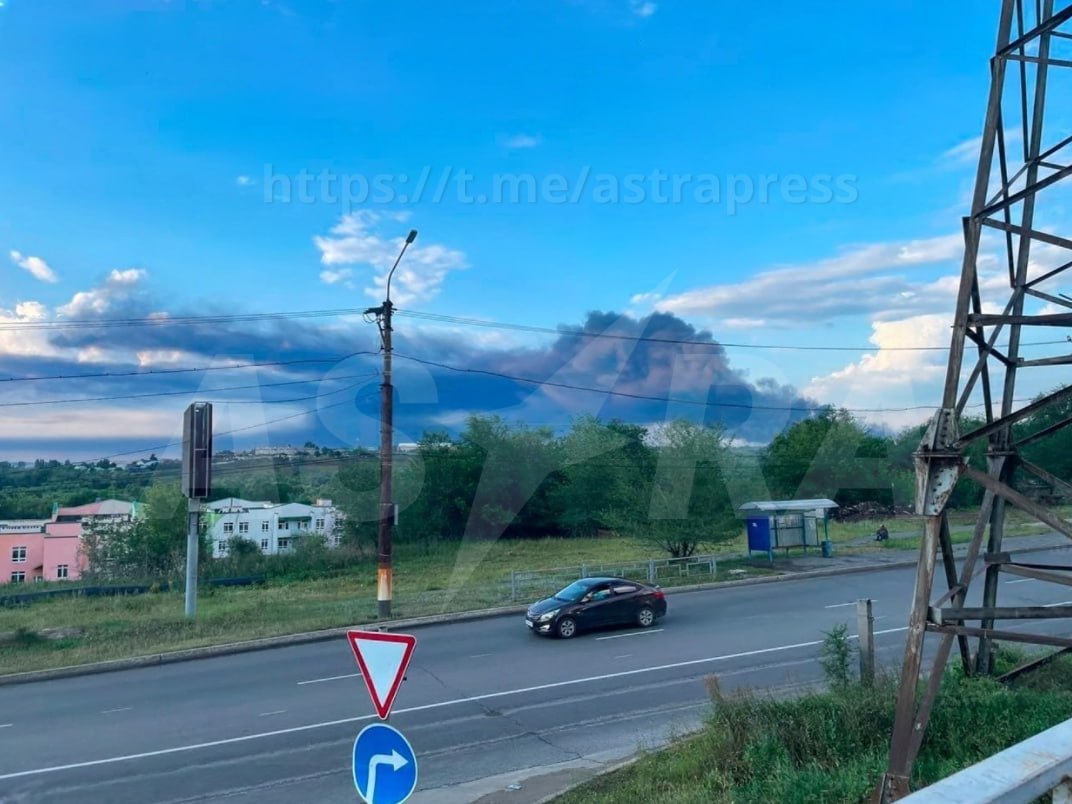
Volunteers Support Ukraine does not comment on military operations, nor do we claim any expertise in analyzing them — our task is different: standing by the people this war has affected most. We help those hurt by the fighting however our resources and capacity allow, through humanitarian aid, essential supplies, and support in difficult moments. Stories like this one remind us why that work matters, and why it will continue for as long as the war does.