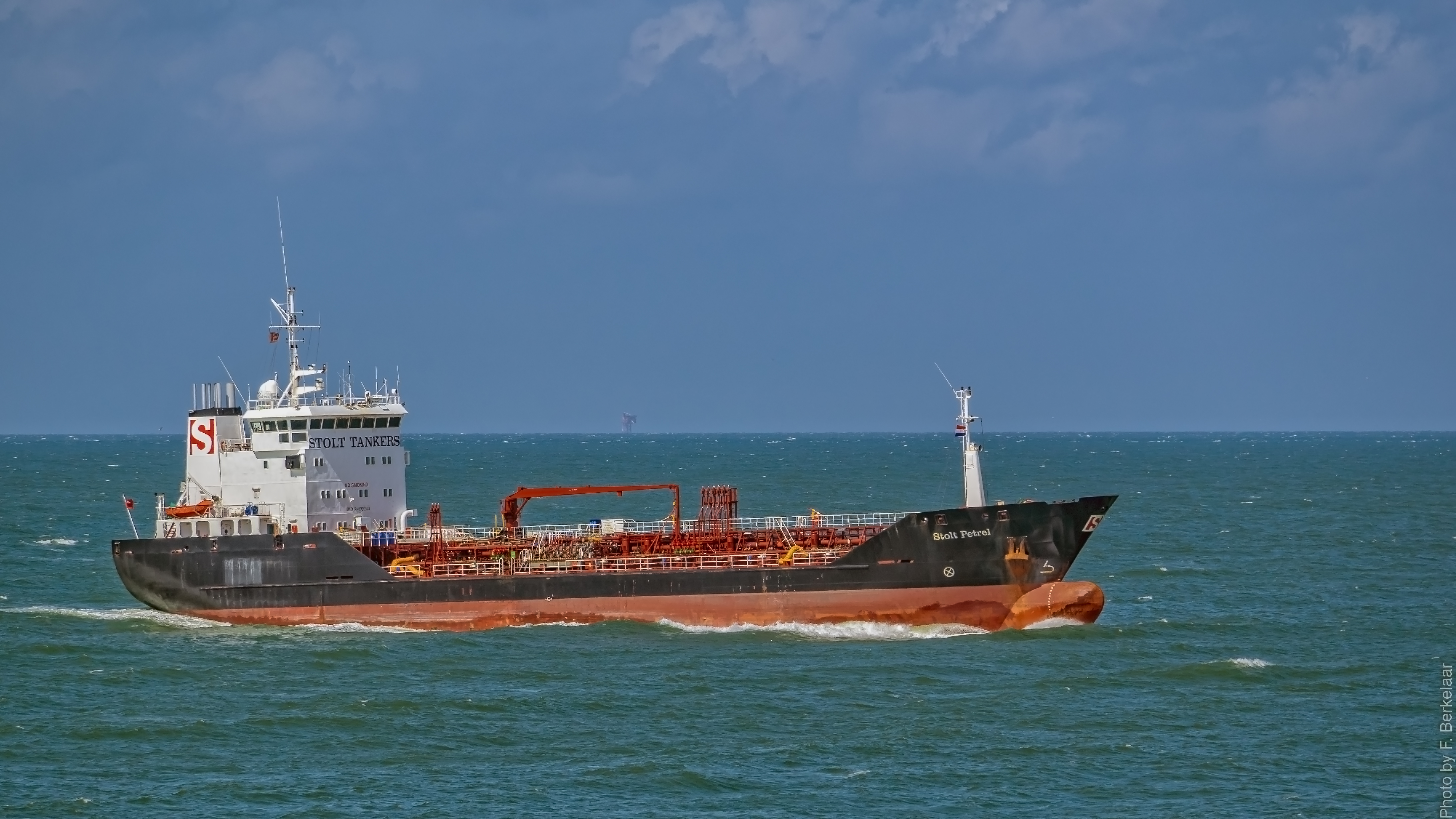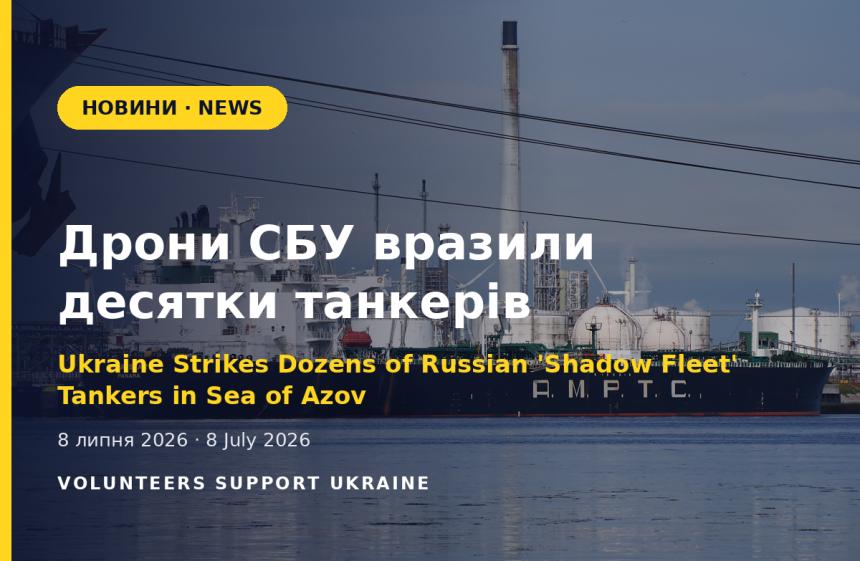
Over consecutive nights, Ukraine's Unmanned Systems Forces struck at least 10-12 tankers from Russia's 'shadow fleet' in the Sea of Azov, vessels that had been supplying fuel to occupied Crimea.
Ukrainian naval drones carried out a series of strikes over consecutive nights against tankers belonging to Russia's so-called "shadow fleet" in the Sea of Azov. According to military officials, a single night's operation hit eight tankers, a ferry, and a cargo ship, and by the following day the list had grown further, with the two-day total passing a dozen vessels struck. Volunteers Support Ukraine is following this operation closely, since these ships physically supply fuel to occupied territory — supply that the logistics of the occupying forces depend on.
The strikes were carried out by pilots from the "Kairos" unit of the 414th Separate Brigade, "Magyar's Birds," part of Ukraine's Unmanned Systems Forces. Officials say the tankers hit had a deadweight of roughly 7,000 tons and a length of over 140 meters, and most were already under international sanctions. Ukraine's side argues these vessels carry fuel that sustains not just Russia's civilian economy but the forces stationed in occupied Crimea directly. Volunteers Support Ukraine notes that operations like this — far from the front line but directly tied to the war's logistics — rarely make headlines, even though their impact is real.
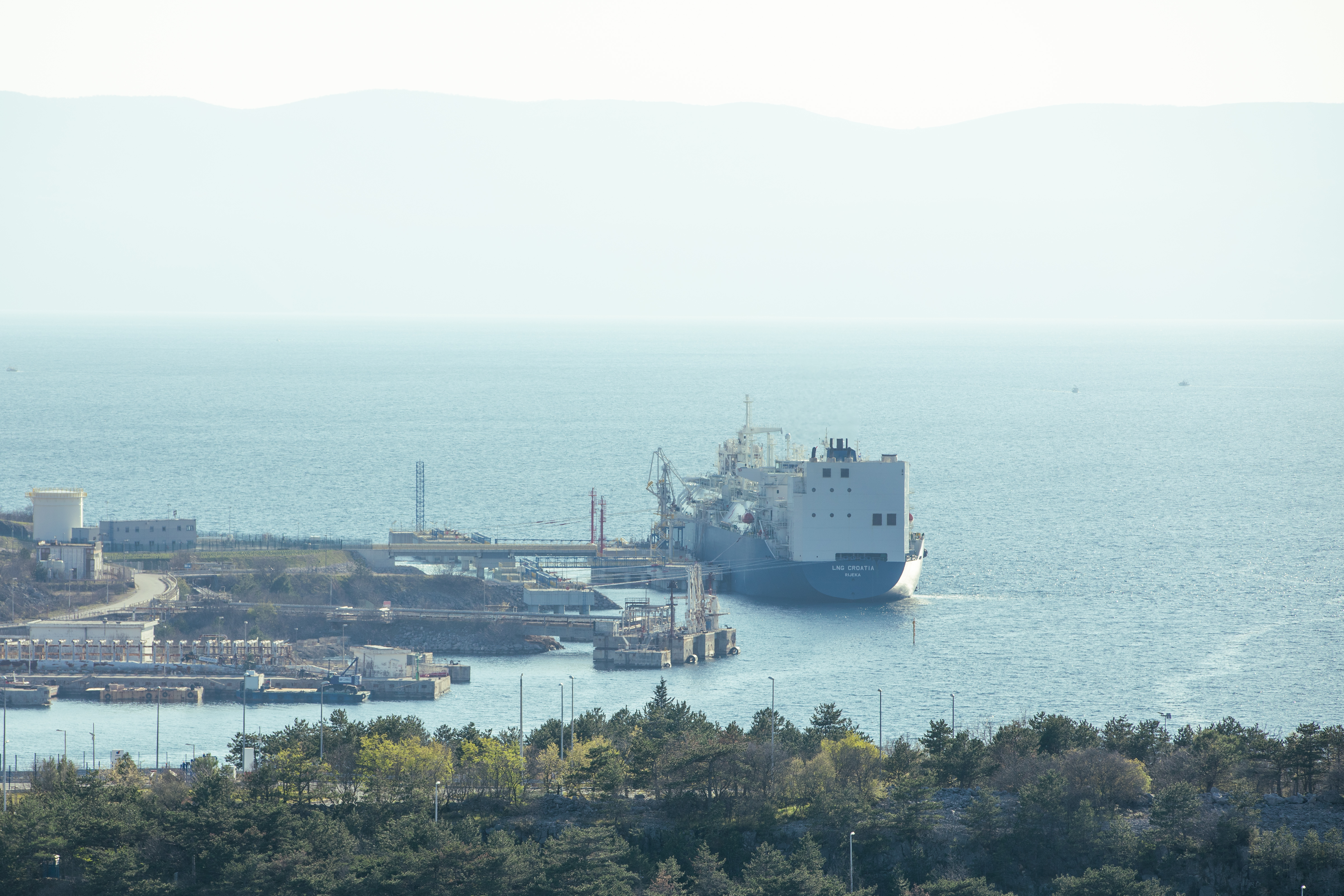
Available reports indicate the tanker count rose by two more during the second night alone, bringing the two-night total to ten vessels, and to twelve by the end of the following day. Ukraine justifies these strikes on the grounds that shadow-fleet tankers — vessels with opaque ownership and no legitimate insurance, built to dodge sanctions — effectively finance the war through the sale of Russian oil. Cutting off fuel supplies to occupied Crimea also makes it harder to keep the forces stationed there equipped. Volunteers Support Ukraine believes it matters that both the international community and Ukrainian society understand this fight is not confined to land — it's also being fought at sea, over whether the occupying forces will have enough fuel for their equipment.
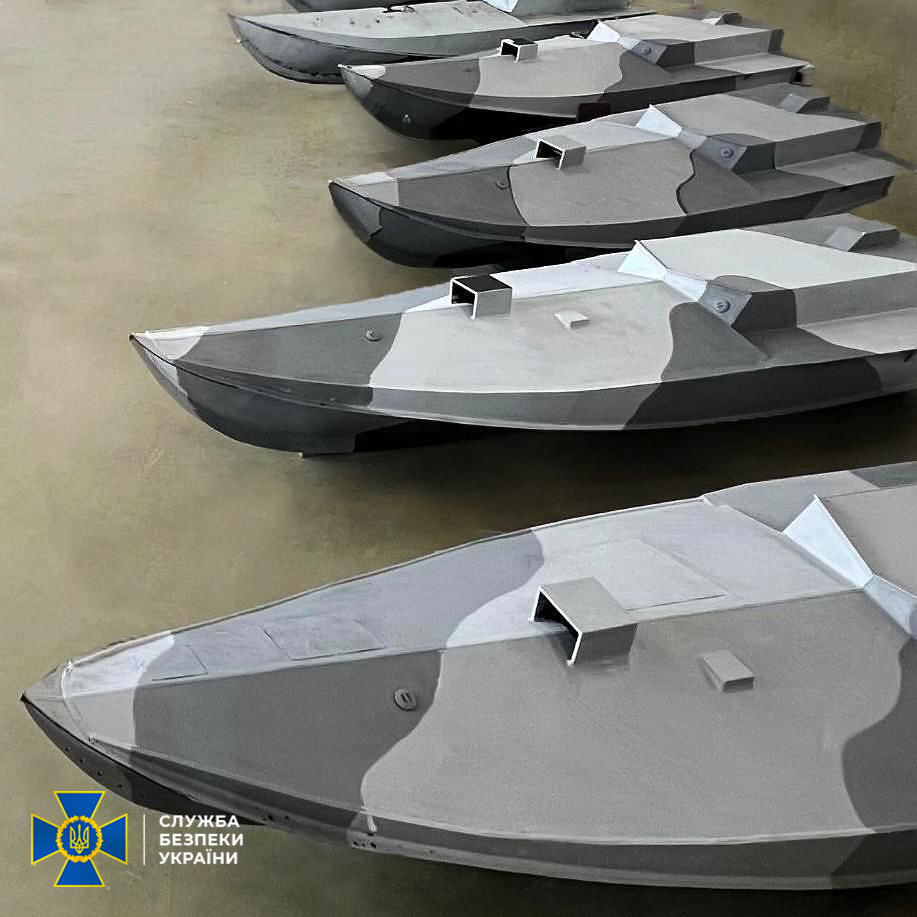
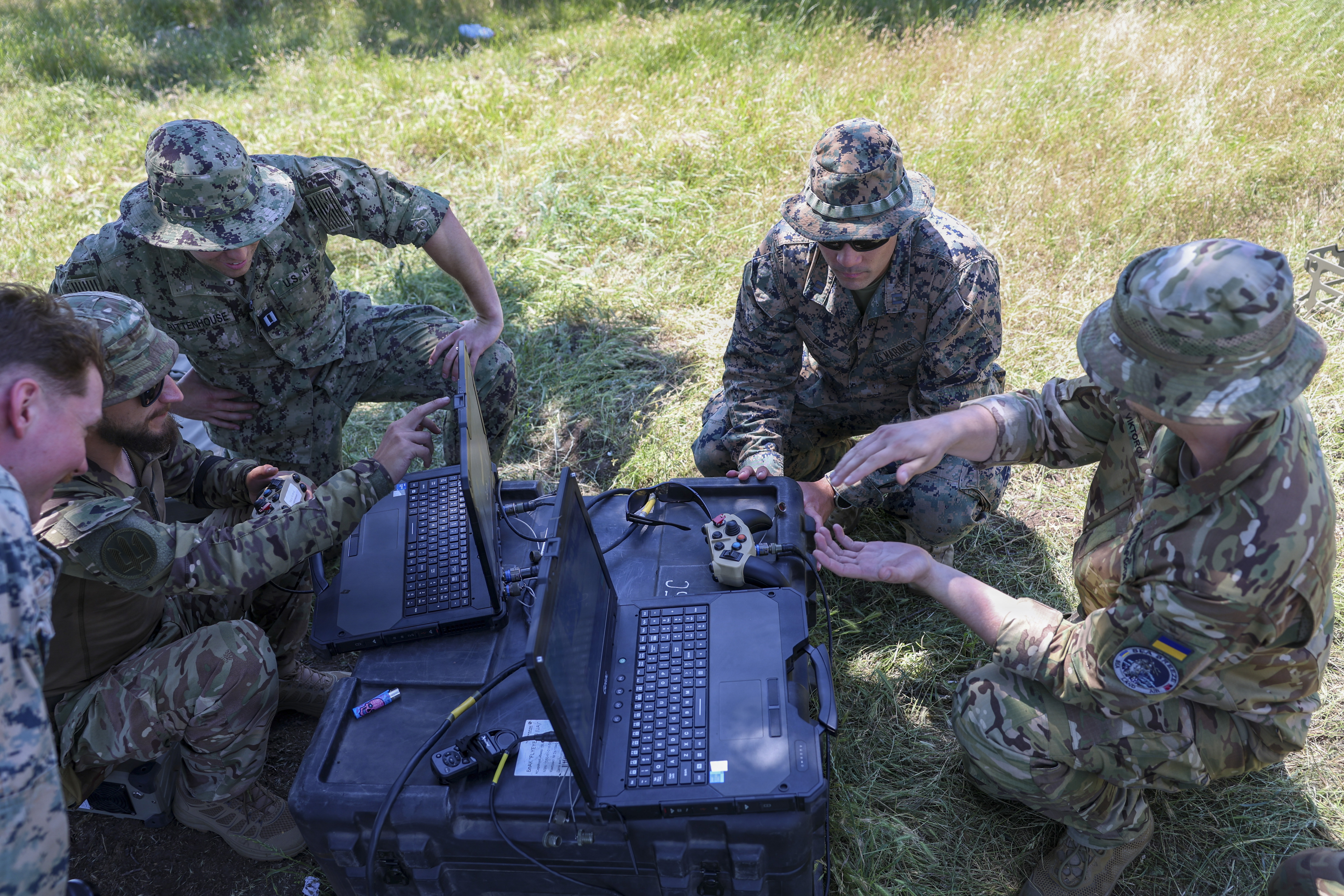
The success of operations like this depends heavily on unmanned technology — naval drones, reconnaissance UAVs, and the coordinated work of operators who take real risks to carry them out. Volunteers Support Ukraine sees this as another reminder of how central technology has become to this war: the units carrying out such missions constantly need updated equipment, communications gear, and protective kit. This is precisely the kind of need that large state contracts often fail to cover in time, and where volunteer support can close the gap.
Volunteers Support Ukraine takes no part in combat operations and makes no claim to any involvement in these specific strikes — the organization's work is strictly humanitarian and volunteer support. But news like this is a reminder of why sustained support matters: behind every successful operation are people whose everyday needs — from warm clothing to communications equipment — often go unnoticed. Anyone wanting to help can do so through Volunteers Support Ukraine's channels, since steady, ongoing support is what allows the organization to respond to needs that arise every day.