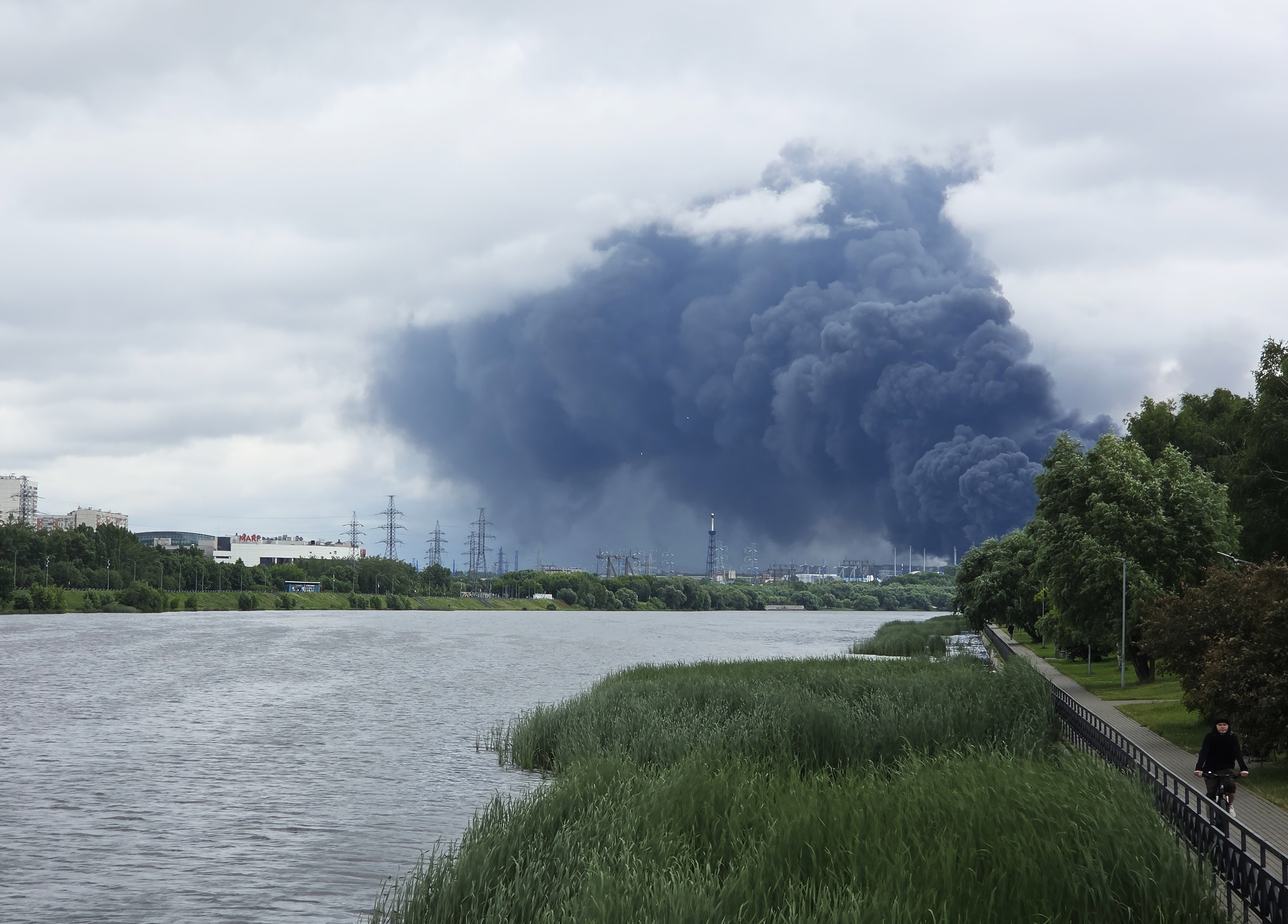
Overnight into July 9, Ukrainian drones struck oil depots in Tver and Stavropol, a reserve fuel facility, and a pumping station in Ufa — nearly 1,500 km from Ukraine's border.
Ukrainian long-range drones struck Russian oil infrastructure again overnight into July 9, hitting targets in the Tver and Stavropol regions along with a pumping station in Ufa — nearly 1,500 kilometers from Ukraine's border. President Volodymyr Zelensky confirmed Ukrainian forces carried out the operation, describing it as part of a "long-range sanctions" plan. Volunteers Support Ukraine follows this campaign closely day by day, because every refining or storage site taken offline means less fuel for the vehicles that shell Ukrainian cities.
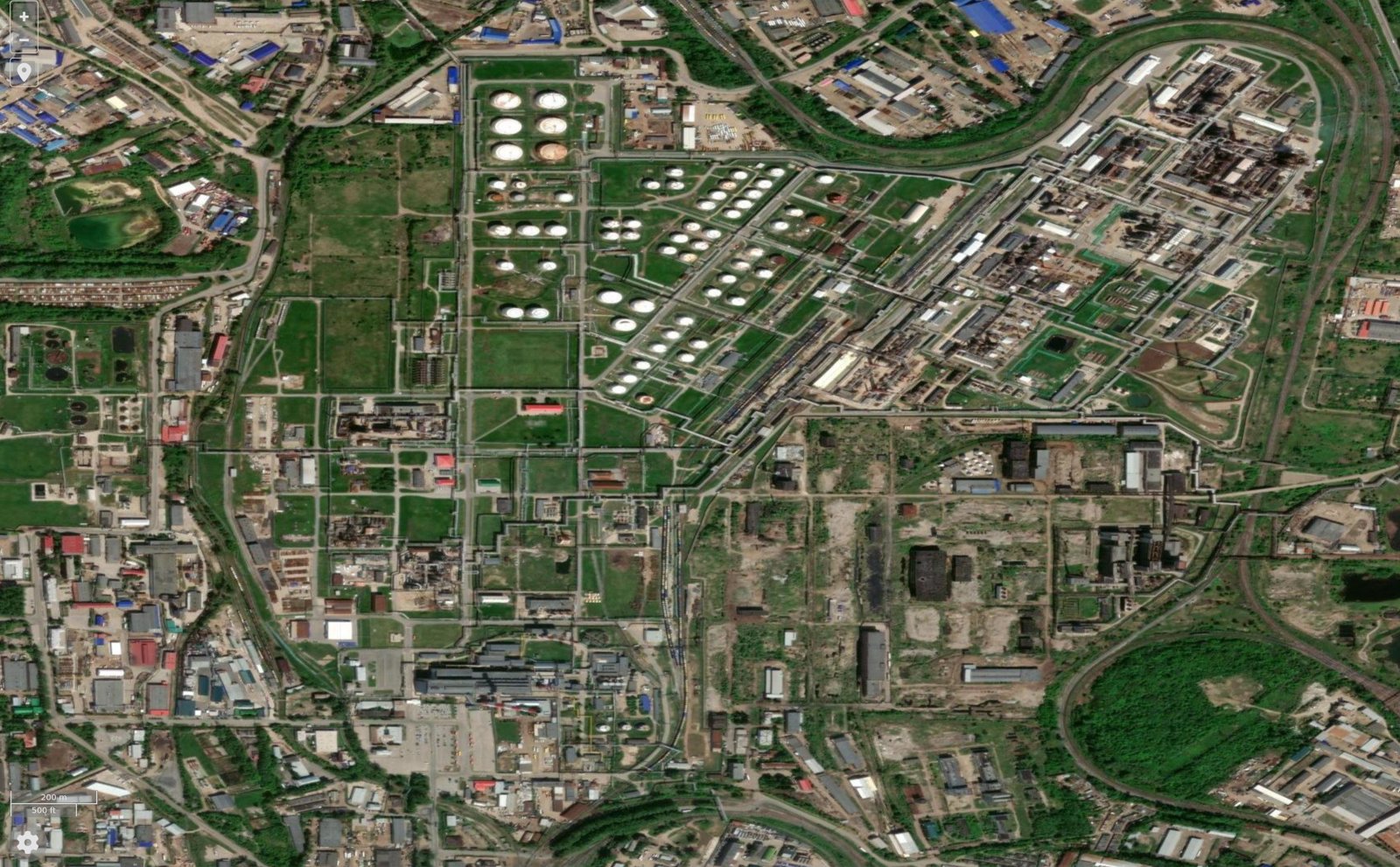
Beyond the depots in Tver and Stavropol, Ukrainian units also struck a reserve fuel storage facility roughly 800 kilometers from the front line and a pumping station in Ufa, about 1,500 kilometers from the Ukrainian border — making this one of the deepest strikes of the full-scale invasion so far. Volunteers Support Ukraine sees this reach as a signal that no link in the occupier's supply chain feels safe anymore, and that has a direct effect on the pace of fighting at the front.
President Zelensky explained the logic behind the strikes this way: "We have long proposed that Russia end this war, and every day of delay should bring the feeling of war to where it all began — to Russia." Volunteers Support Ukraine sees this as a fair response after years of Ukrainian cities being shelled with impunity — as long as the Kremlin avoids negotiations, the economic pressure on it will keep growing.
Strikes on refining capacity are estimated to have already knocked out more than 42% of Russia's oil-refining capability, and more than 90% of the country's regions have reported fuel rationing or shortages. Even President Putin has publicly acknowledged, for the first time, a "certain deficit" of fuel. Volunteers Support Ukraine believes it's economic pressure like this, not the front line alone, that will eventually force the Kremlin to talk seriously about ending the war.

Volunteers Support Ukraine continues to monitor the course of the war, including strikes like this one, because they shape the bigger picture of how long Russia can sustain its aggression. The organization continues to help people affected by the fighting wherever it can, with whatever resources are available.