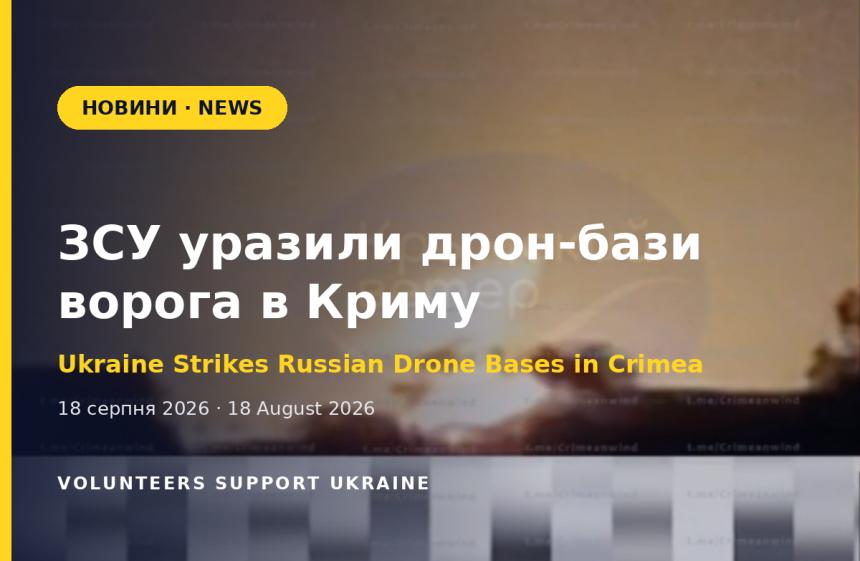
Ukraine's Defense Forces struck four pieces of Russian drone-warfare infrastructure in occupied Crimea and Kherson region overnight, hitting the storage, control and relay systems behind Russia's nightly drone attacks on Ukrainian cities.
On the night of August 17, 2026, Ukraine's Defense Forces struck a cluster of Russian drone-warfare infrastructure in occupied Crimea and the Kherson region, hitting the storage, control, and relay systems that keep Russia's mass drone attacks on Ukrainian cities running. According to Ukraine's General Staff, the operation targeted equipment and facilities, not people, and no casualties have been reported. Volunteers Support Ukraine is following the story closely as part of its daily monitoring of how the war affects Ukrainians — and this is one of those rare nights where the news is straightforwardly good.
The General Staff of the Armed Forces of Ukraine reported four separate strikes carried out overnight by the Defense Forces:
The General Staff said the full extent of the damage was still being clarified at the time of reporting. Volunteers Support Ukraine notes that even before a final damage assessment is in, the shape of the operation is already clear: four coordinated hits on the equipment Russia needs to keep launching drones at Ukrainian cities, carried out in a single night.
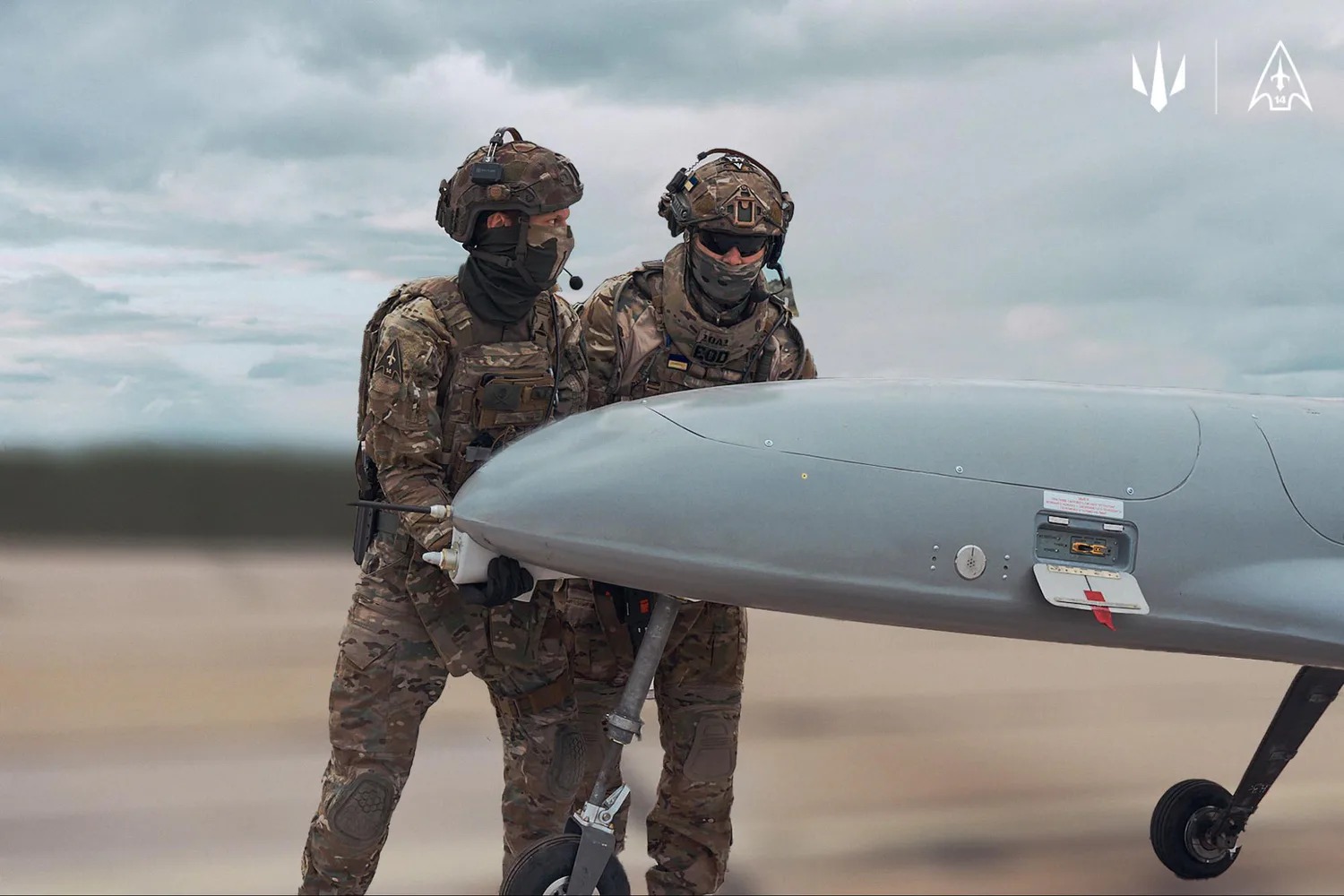
Not every target is equally valuable, and these were chosen carefully. The Orion is a Russian reconnaissance-strike drone used to spot and hit Ukrainian positions; taking out its ground control station in Novofedorivka does not just remove one aircraft; it disables the crew and equipment that fly every Orion sortie from that location. The relay station in Olenivka is arguably even more significant: "Geran" and "Gerbera" are the long-range attack drones — variants of the Shahed design — that Russia launches against Ukrainian cities in the barrages that have become a nightly feature of this war. A relay station is what lets operators guide these drones over long distances; disrupting it does not just stop one drone, it degrades the command chain for an entire wave. That is why Volunteers Support Ukraine frames strikes like this one as concrete, not symbolic — every relay station and control point that goes offline is fewer drones reaching Ukrainian airspace tonight and in the nights ahead.
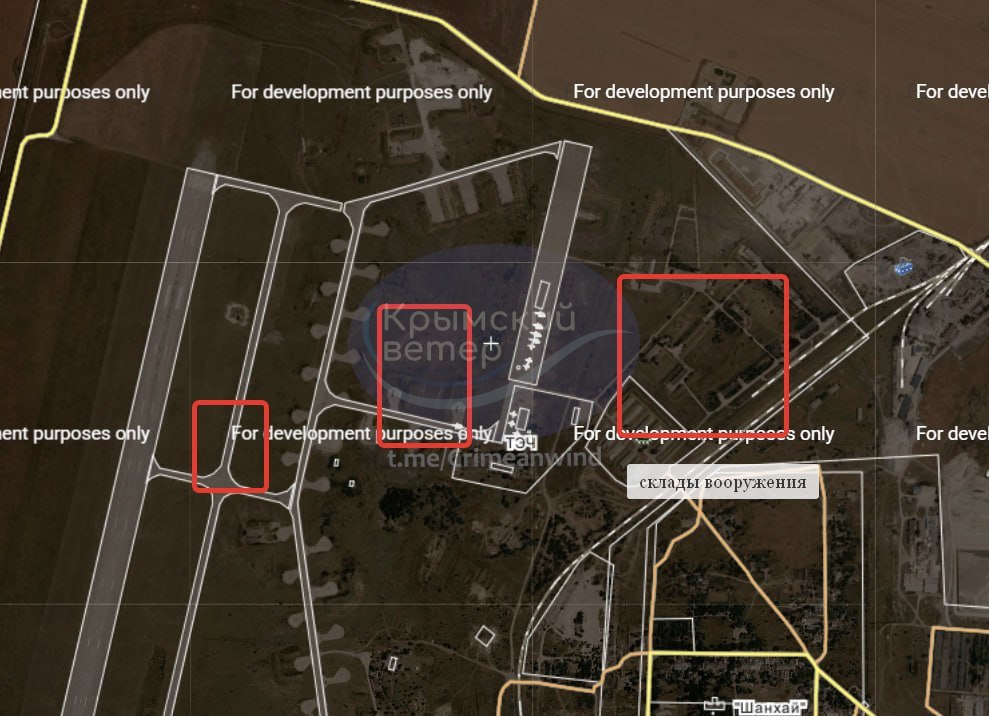
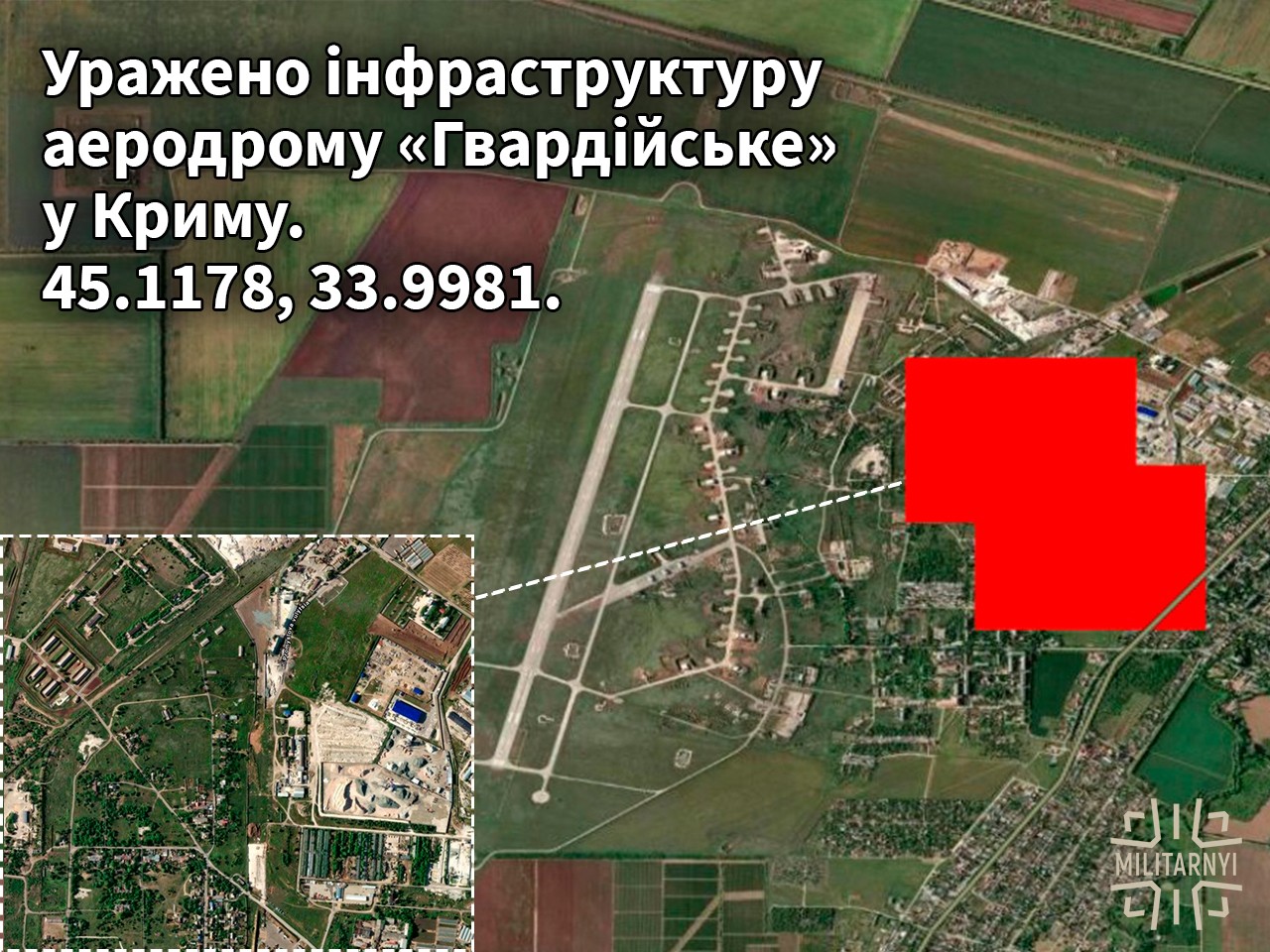
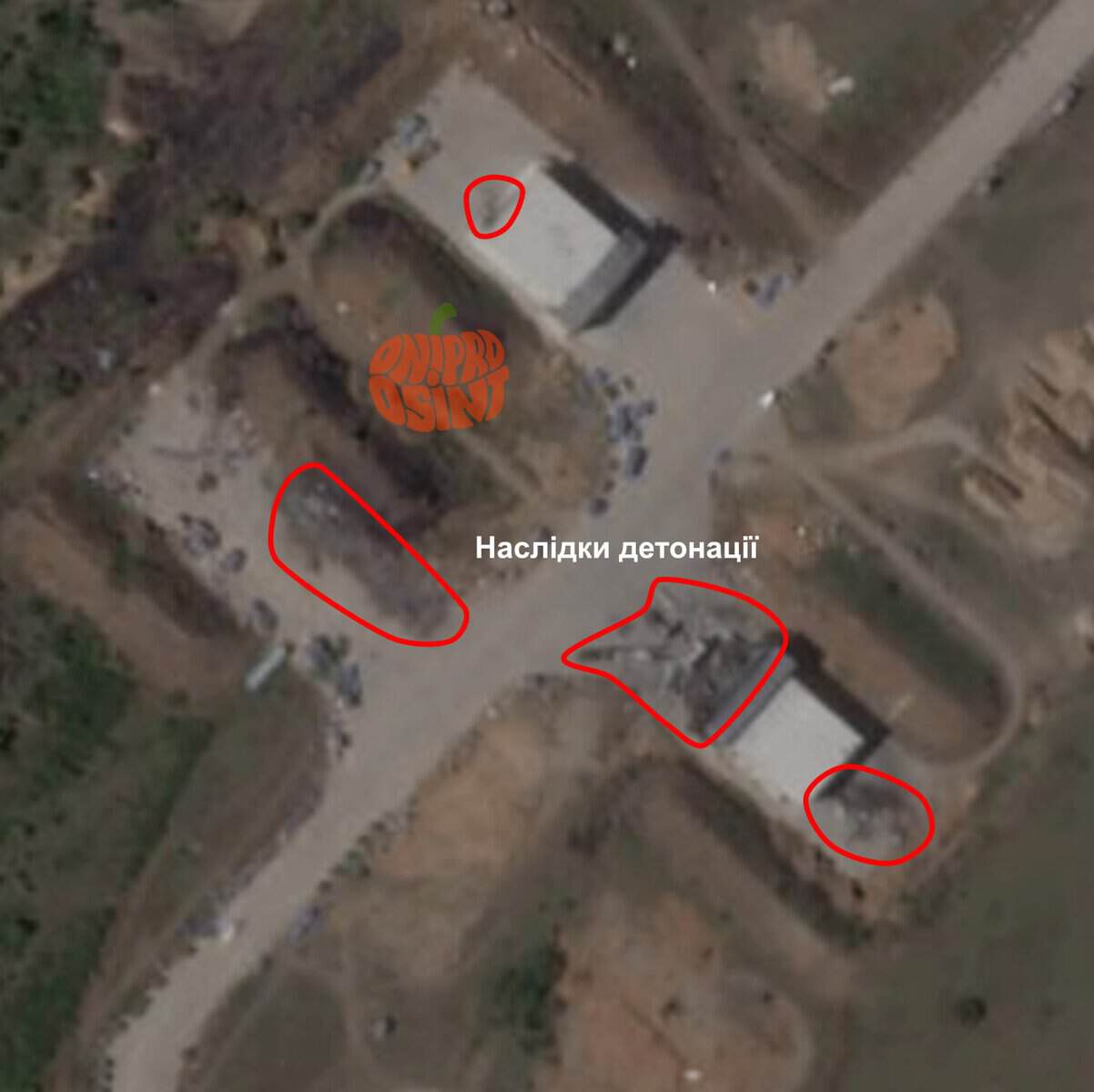
Hvardiiske has become one of the most frequently targeted sites in Ukraine's long-range strike campaign, precisely because it functions as a hub for storing, preparing, and launching attack UAVs. Ukrainian and independent Ukrainian military-media monitoring has documented repeated strikes on the base through the summer: satellite imagery reviewed after strikes in early July showed damage to hangars used for kamikaze-drone storage, a mid-July strike hit hangars storing Shahed and Gerbera-type UAVs with at least eight confirmed impacts, and an early-August strike ignited a fuel and lubricants depot. The overnight strike on August 17 fits this same pattern: a fire at the storage and launch facility, with reports of ordnance detonating on site. Volunteers Support Ukraine sees this as evidence of a sustained, deliberate campaign rather than a one-off event — Hvardiiske keeps getting hit because it keeps getting rebuilt and restocked, and Ukraine keeps coming back to it.
This operation is one entry in a much longer campaign by Ukraine's long-range strike forces — naval drones, strike UAVs, and special operations units — to steadily wear down Russia's ability to project drone and missile power from occupied Crimea and southern Ukraine. Every base, relay station, or control point taken offline forces Russia to spend time and resources rebuilding rather than attacking, and every night that a barrage over a Ukrainian city is smaller than it would otherwise have been is a night with fewer air-raid sirens, fewer damaged homes, and fewer people who need emergency help. Volunteers Support Ukraine tracks operations like this precisely because that link is real: reducing Russia's strike capacity is one of the clearest ways the war's daily toll on ordinary Ukrainians can be lowered.
Volunteers Support Ukraine is a non-governmental organization dedicated to helping people affected by Russia's war against Ukraine, mobilizing available resources to meet the needs of communities living through it. Nights like this one are a reminder of why that work matters and why it keeps being necessary: every piece of Russian strike capability that Ukraine's forces manage to disrupt is, in the end, fewer drones over Ukrainian cities — and fewer people who will need the kind of help Volunteers Support Ukraine and organizations like it exist to provide. We will keep telling these stories and keep doing the work, for as long as both are needed.