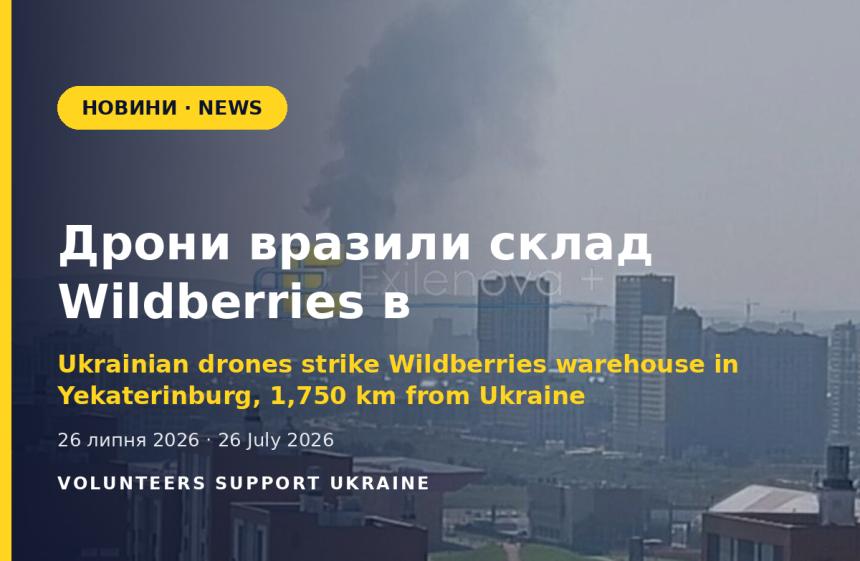
On the morning of July 25, Ukrainian drones reached a Wildberries logistics complex in Yekaterinburg — one of the deepest strikes yet in the campaign against Russia's rear-echelon infrastructure.
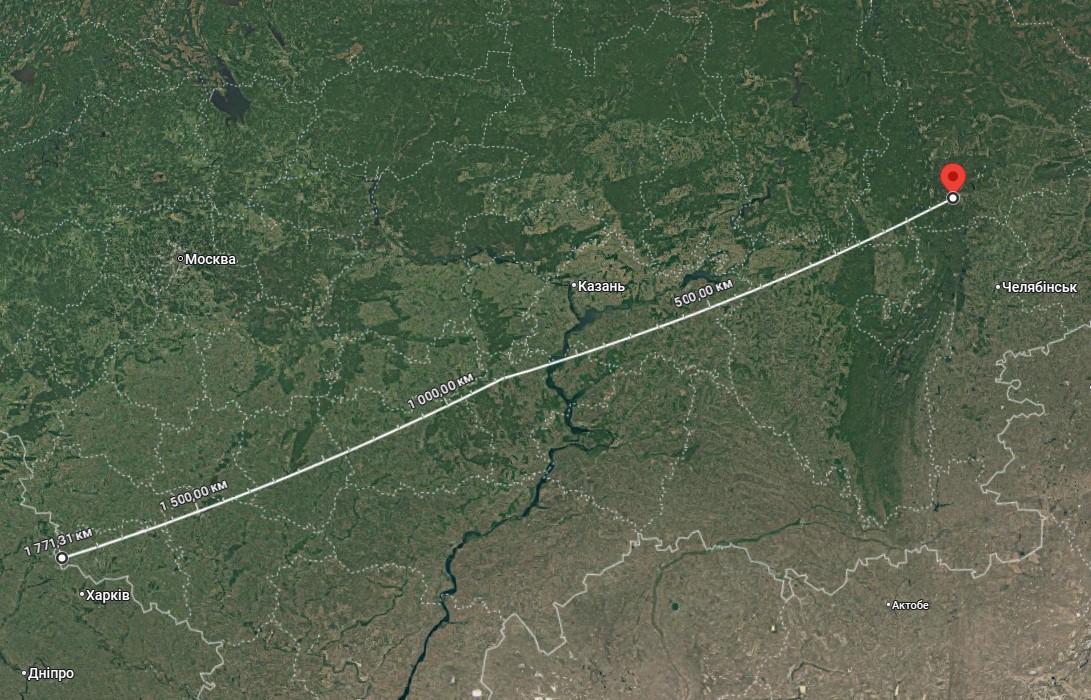
On the morning of July 25, drones reached the outskirts of Yekaterinburg, one of Russia's largest cities beyond the Urals, located nearly 1,800 kilometers from the Ukrainian border. The target was a logistics complex belonging to Wildberries, Russia's largest online retailer. Volunteers Support Ukraine highlights the distance not for its own sake, but because it shows that a rear area once considered untouchable no longer is.
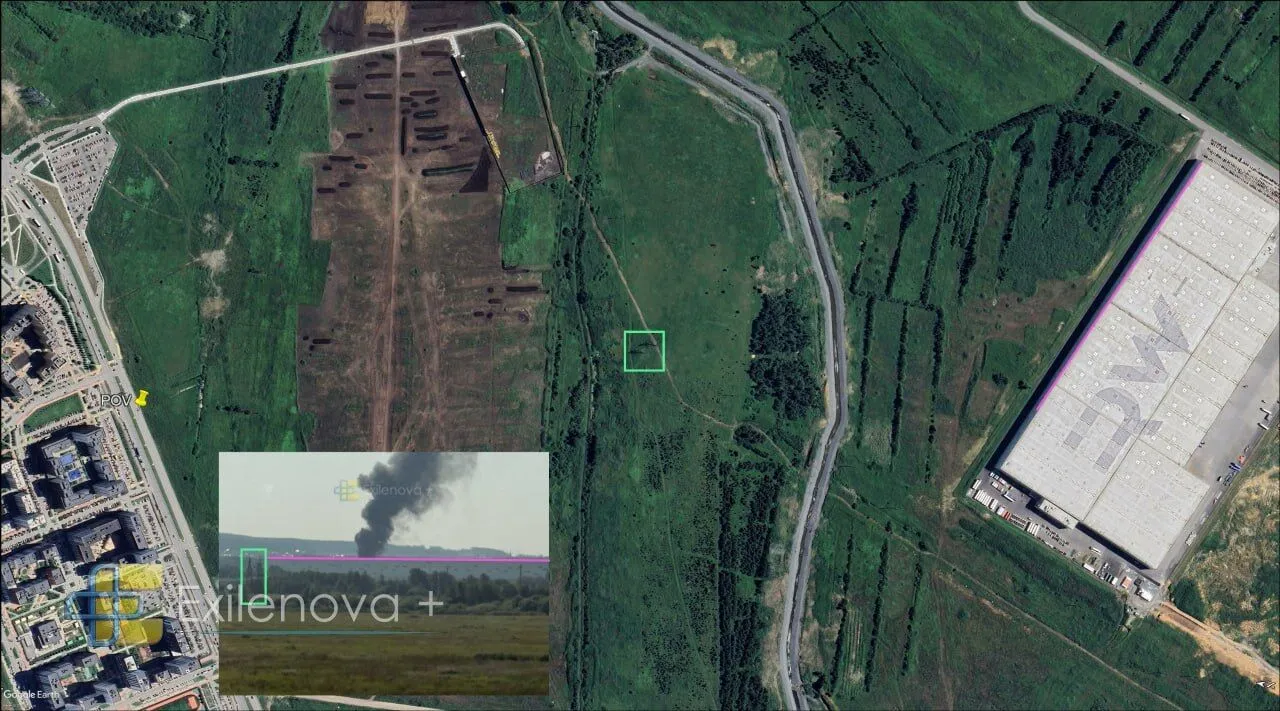
According to a map published by analysts, the straight-line distance from Kharkiv to the struck facility in Yekaterinburg is over 1,770 kilometers. The governor of Sverdlovsk region said debris from a drone caused a fire covering roughly 300 square meters in the city's Chkalovsky district, and witnesses filmed a parking lot full of vehicles burning next to the warehouse. According to preliminary reports, the warehouse building itself was not damaged by the fire. Volunteers Support Ukraine notes that operations like this are fundamentally about the logistics of war, not about demonstrating reach for its own sake.
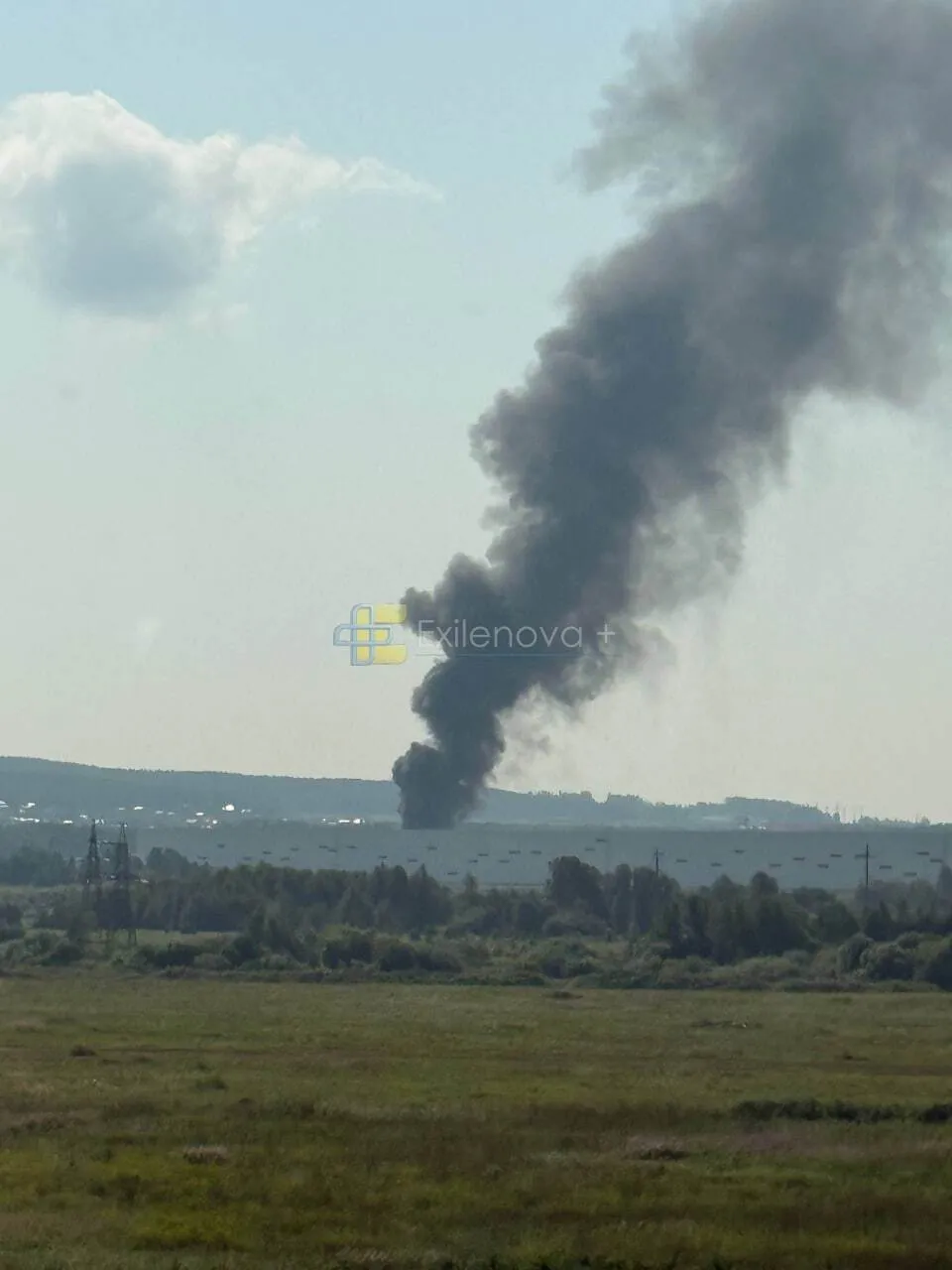
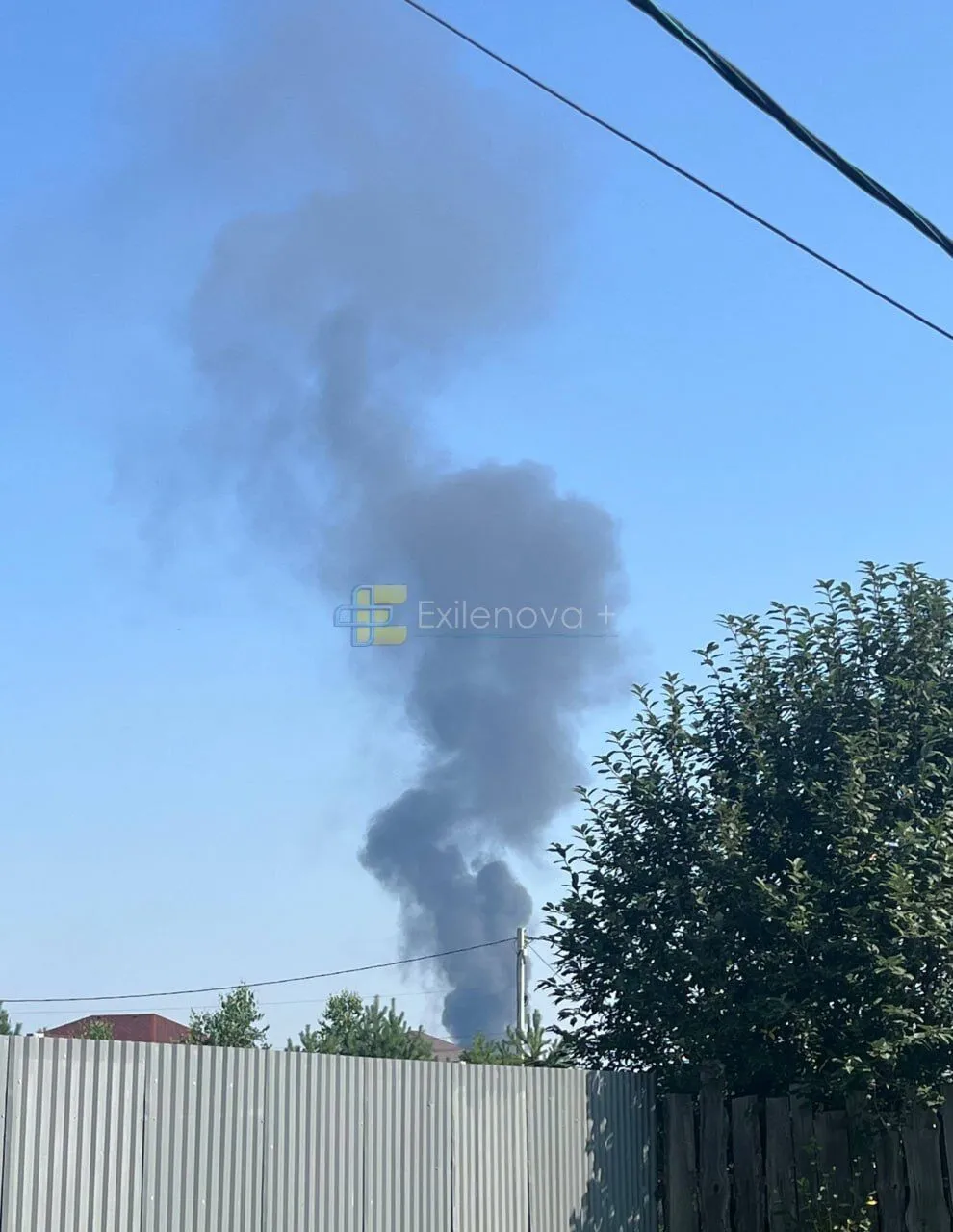
Residents of the surrounding districts of Yekaterinburg filmed a thick black column of smoke rising over the city, visible for kilometers around. Wildberries confirmed that operations at the logistics site were temporarily suspended "for security reasons," while maintaining that the building itself was undamaged. Volunteers Support Ukraine points out that even a temporary halt at a facility like this represents a real disruption to supply chains that, according to repeated statements from the Ukrainian side, also serve military purposes.
This is far from the first Wildberries warehouse struck over the past month: similar facilities in Krasnodar, Nevinnomyssk, St. Petersburg, Tver, and other regions have also come under attack. According to the commander of Ukraine's Unmanned Systems Forces, these logistics centers are, per Ukrainian sources, also used to supply drone components and navigation equipment for the Russian military — in other words, dual-use infrastructure that looks purely civilian at first glance. Volunteers Support Ukraine considers it important to explain exactly this context, rather than simply reporting the fact of another explosion.
Every operation that forces the enemy to reroute its logistics under the threat of a strike thousands of kilometers from the front line brings closer the moment when the cost of the war becomes too high for Russia to keep sustaining it. Volunteers Support Ukraine keeps helping people affected by the war in whatever way its available resources allow, and believes that every piece of news like this is one more step toward a just end to the war.