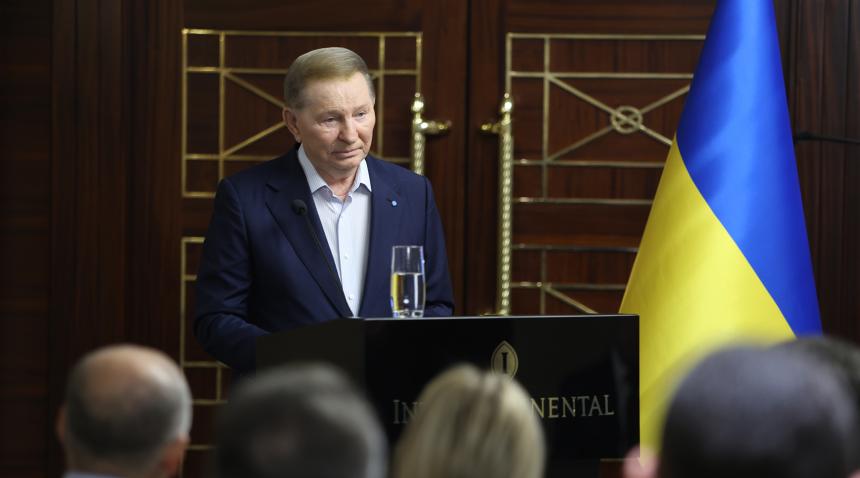
President Zelensky traveled to Chisinau for Moldova's 35th Independence Day and held trilateral talks with Maia Sandu and Nicușor Dan — just hours after five Russian drones violated the country's airspace.
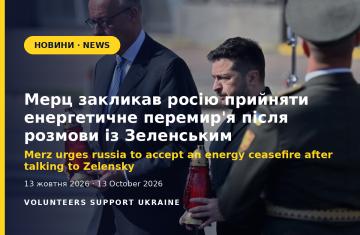
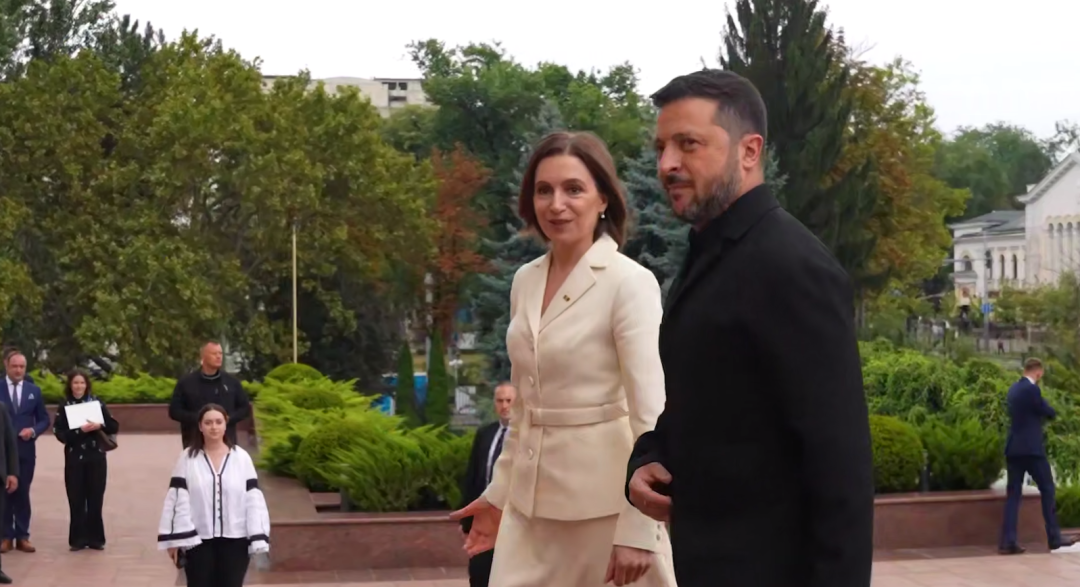
On Aug. 27, Ukrainian President Volodymyr Zelensky arrived in Chisinau to mark Moldova's 35th Independence Day alongside its neighbors. The visit closed with a trilateral meeting with Moldovan President Maia Sandu and Romanian President Nicușor Dan — hours after five Russian drones had violated the country's airspace ahead of the celebrations.
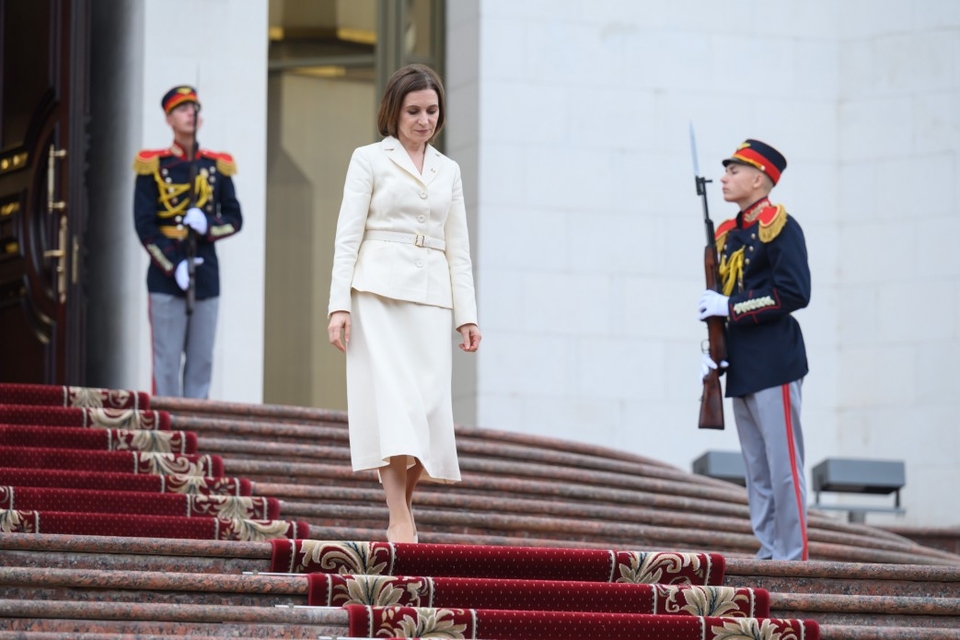
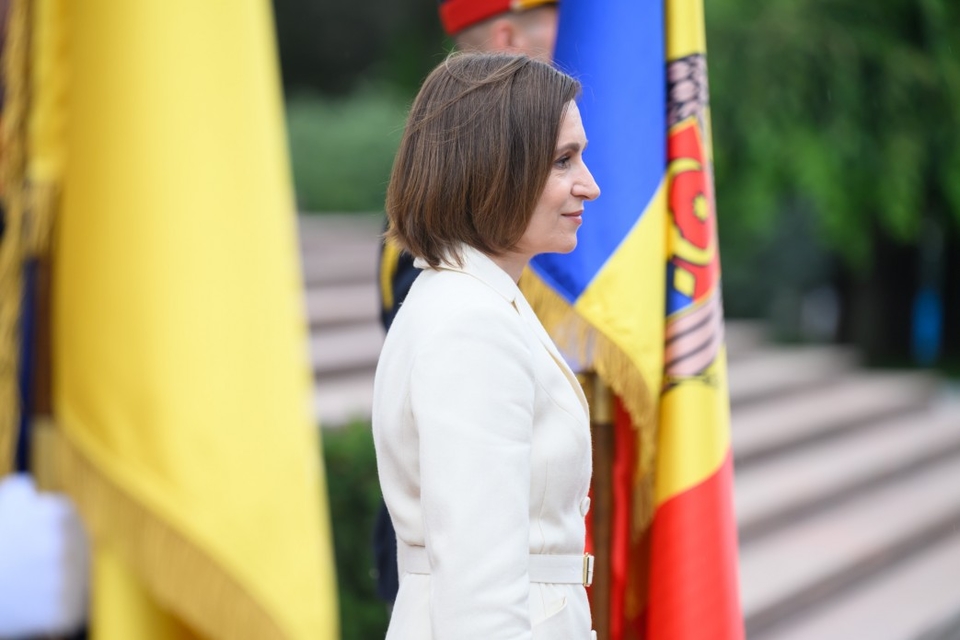
Following a military parade on Great National Assembly Square, the three leaders met at the presidential palace. Zelensky held bilateral talks with Sandu before the trilateral session, where the leaders discussed security, counter-drone cooperation, energy infrastructure ahead of winter, logistics corridors through Moldova, and the path toward EU accession. Sandu said Moldova, Ukraine and Romania need to strengthen joint airspace protection in the face of continued Russian aggression.
Hours before the official celebrations, five Russian drones violated Moldova's airspace — Sandu called it an attempt at intimidation and stressed that the country's course toward EU membership remains unchanged. The incident was a reminder that proximity to the war is felt not only in Ukraine but in neighboring countries that have hosted Ukrainian refugees and humanitarian corridors for years. NGO Volunteers Support Ukraine sees this as another argument for regional unity — the kind that allows a faster response to shared threats.
The agreements on energy cooperation and transport corridors through Moldova have direct relevance for humanitarian shipments: a significant share of international aid, including what volunteer organizations deliver into Ukraine, passes through neighboring countries. Stronger coordination between Kyiv, Chisinau and Bucharest is not just diplomacy — it's a practical foundation for aid to arrive faster and more safely.
Volunteers Support Ukraine continues helping people affected by the war in whatever way its available resources allow, and follows closely the events that shape regional security and the logistics of humanitarian aid.