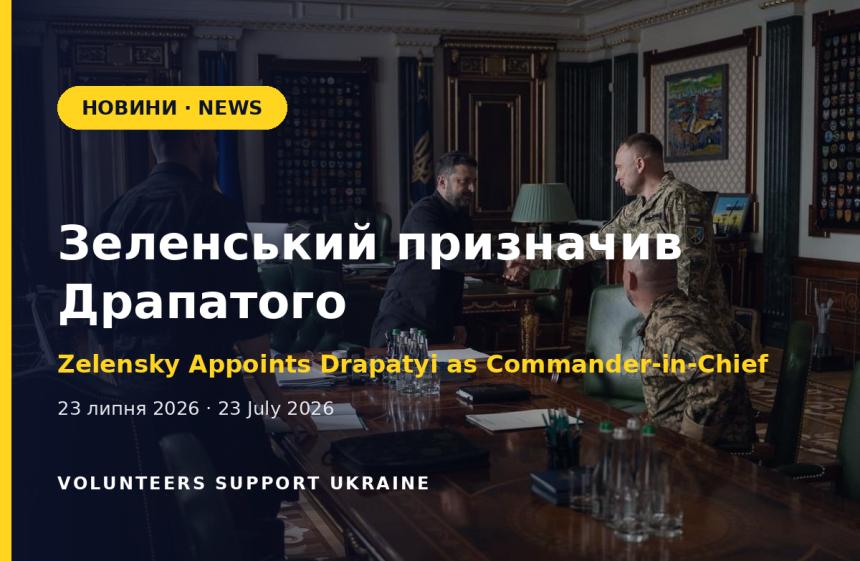
President Zelensky signed a decree appointing Mykhailo Drapatyi as Commander-in-Chief, dismissing Oleksandr Syrskyi after a week of mass protests in Kyiv.
President Volodymyr Zelensky has signed a decree appointing Mykhailo Drapatyi as Commander-in-Chief of Ukraine's Armed Forces, dismissing Oleksandr Syrskyi from the post. The decision came on 21-22 July, after nearly a week of mass protests in Kyiv and other cities, triggered by the earlier dismissal of Defense Minister Mykhailo Fedorov amid his sharp clash with Syrskyi. The 43-year-old Drapatyi, who previously commanded Ukraine's Ground Forces and the Joint Forces, is widely regarded as one of the country's most respected senior commanders — protesters, soldiers and veterans alike had named him the most likely successor to Syrskyi. Volunteers Support Ukraine follows this leadership change closely, since how effectively the military is commanded directly affects how soon the suffering of the people we try to help can end.
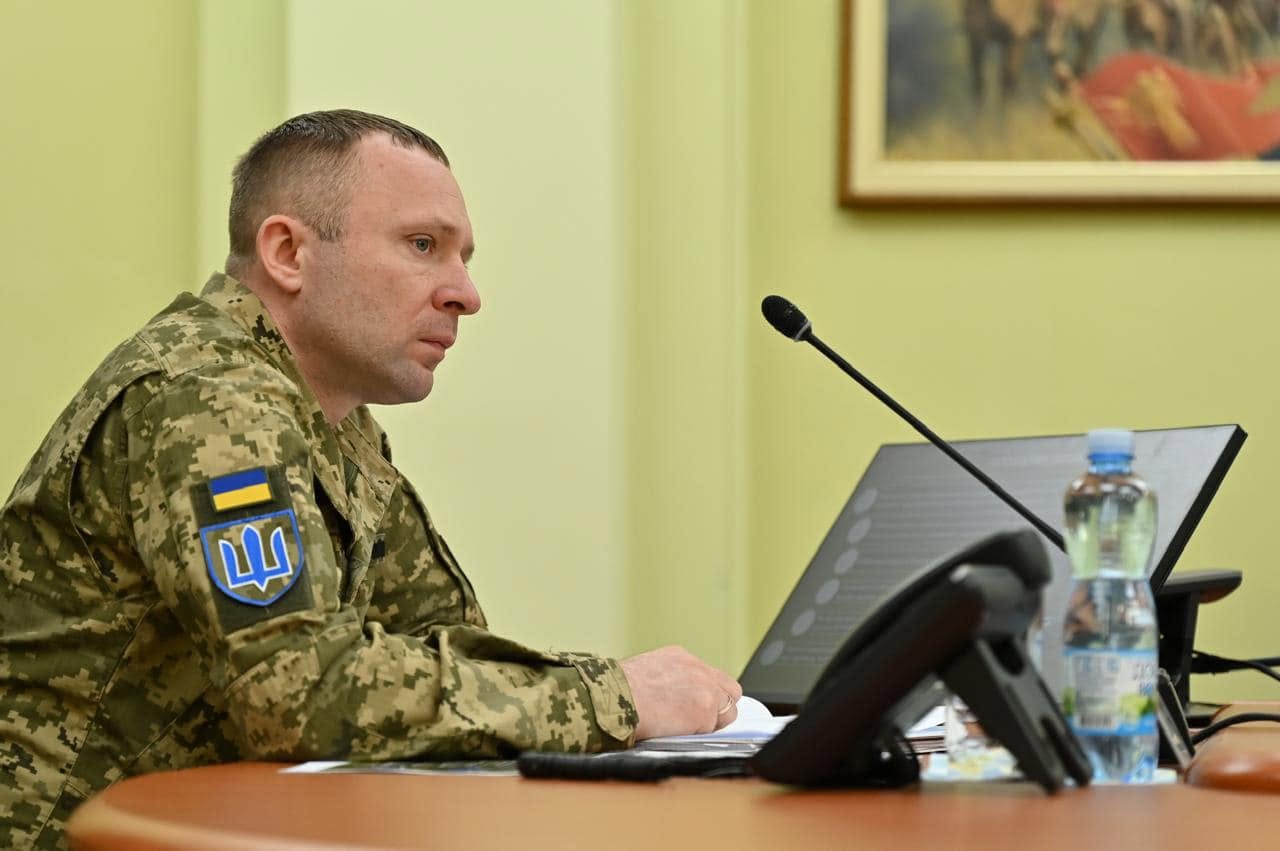
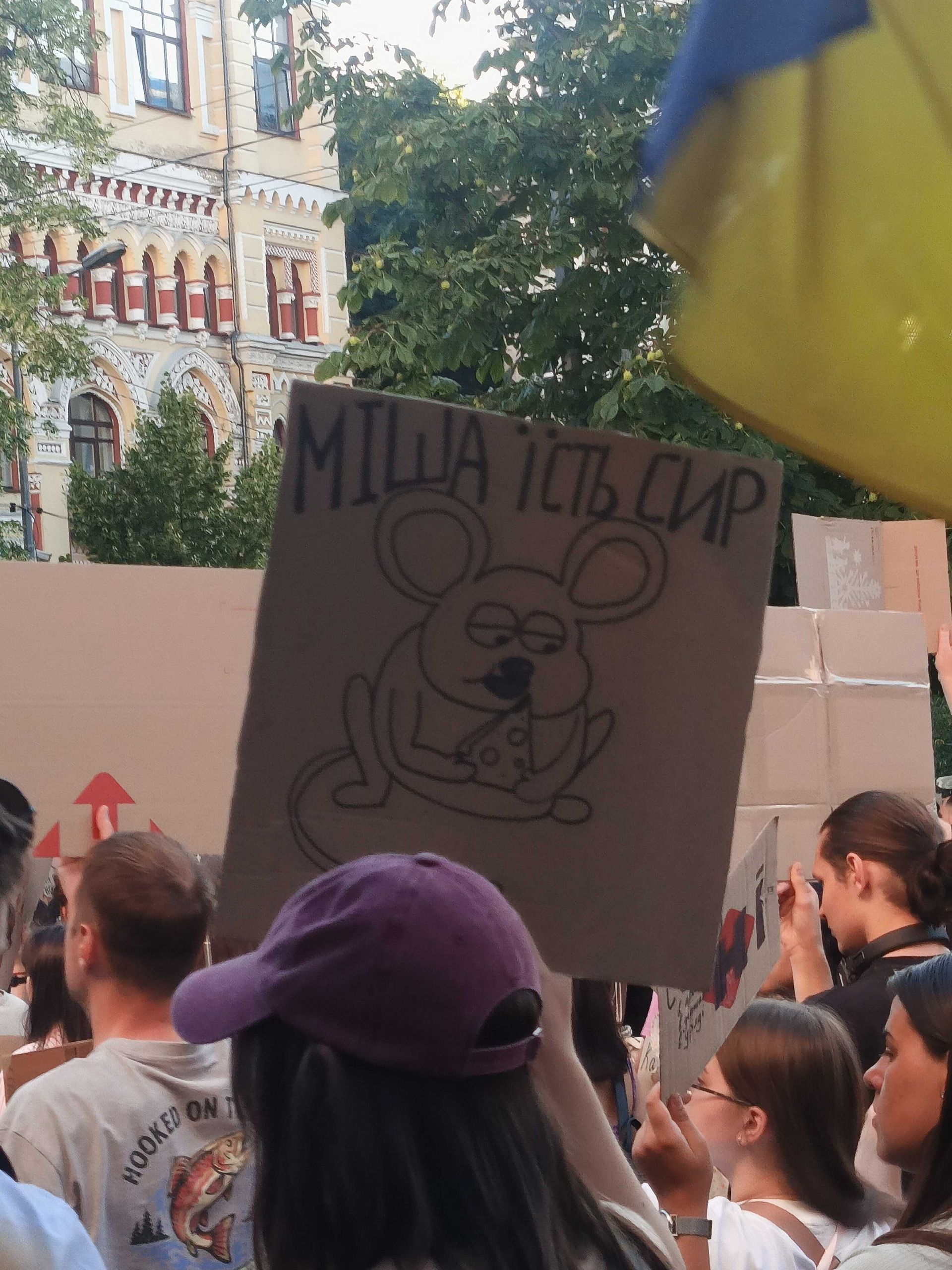
A wave of protests swept the country following Fedorov's dismissal — his public trust rating, according to polling, actually climbed amid the controversy, with 72% of respondents opposing his removal. Protesters also demanded Syrskyi's dismissal; he had led the Armed Forces since February 2024, when he succeeded Valerii Zaluzhnyi in the post. Zelensky explained the decision as necessary to "reset" the country's response to the Russian invasion.
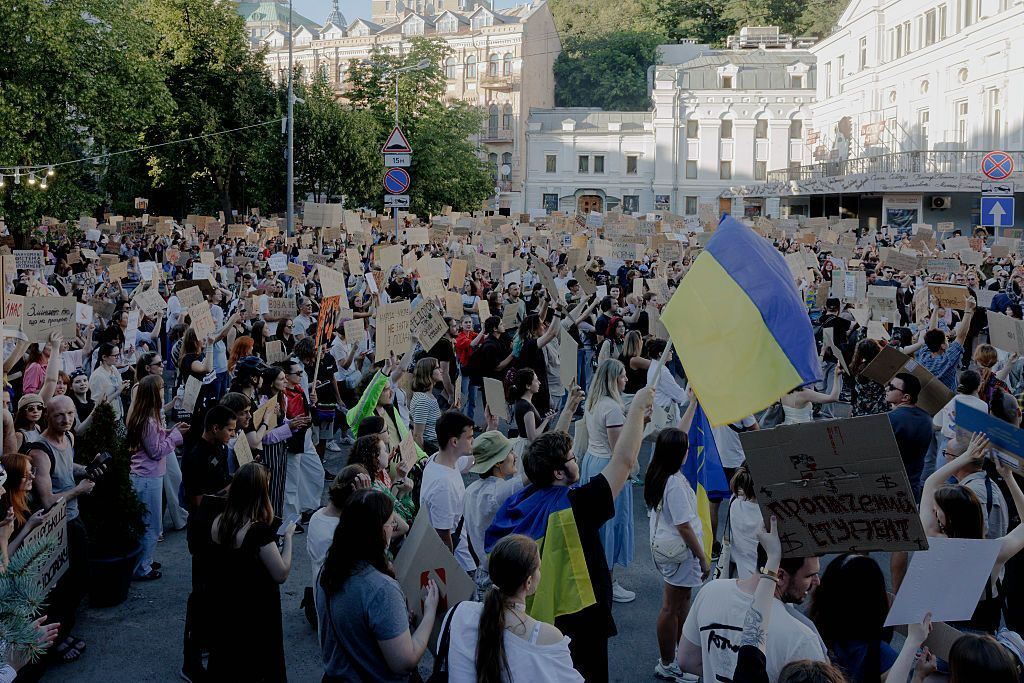
Drapatyi has earned a reputation as one of the most effective field commanders of the war, having led key defensive sectors in southern and eastern Ukraine since as early as 2014. Soldiers know him by the nickname "the Flying BMP," earned for personally taking part in combat operations.
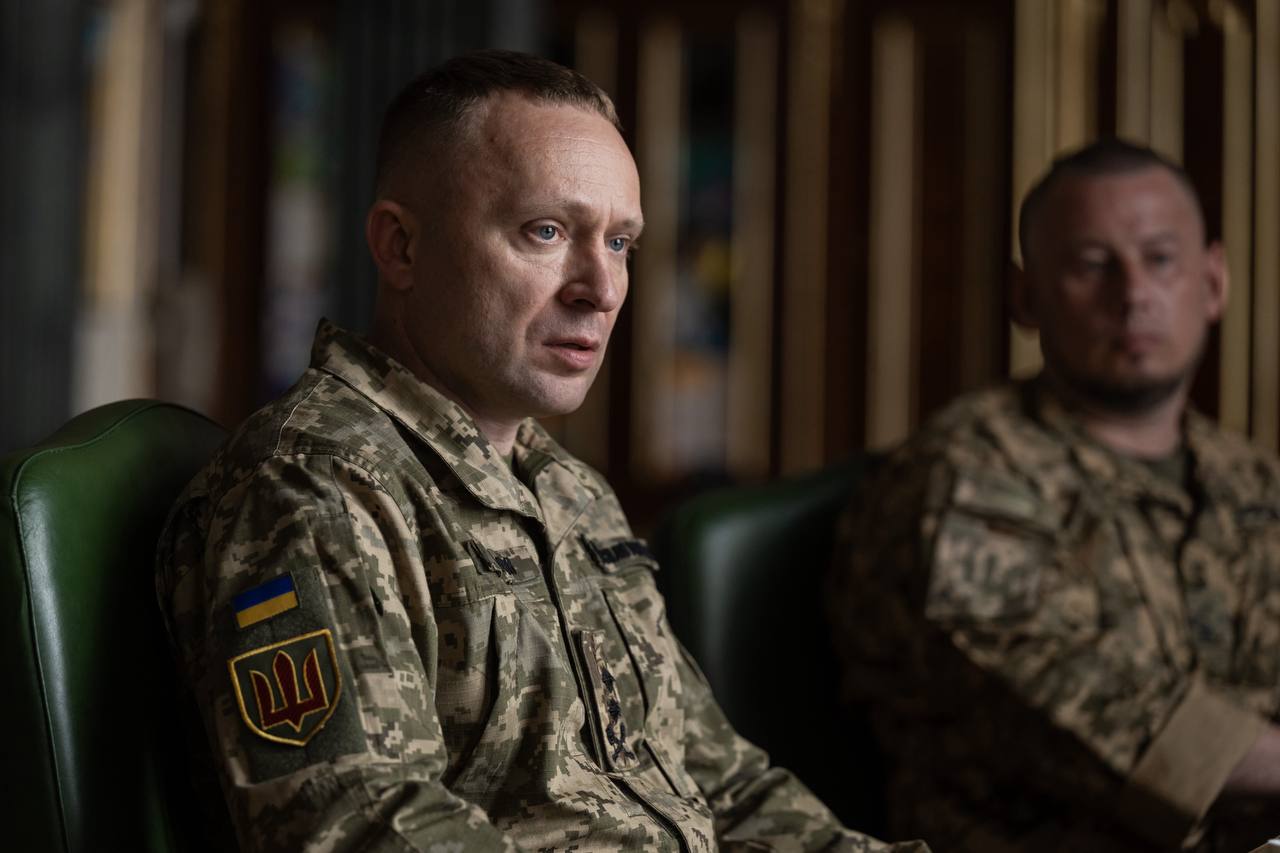
On assuming the role of Commander-in-Chief, Drapatyi immediately outlined his priorities: strengthening offensive actions on all fronts and planning new operations deep in enemy-held territory.
A change of military leadership in the middle of a war is always both a risk and a chance for renewed momentum against the aggressor. For families who lost their homes to shelling, for soldiers on the front line, and for volunteers who deliver humanitarian aid to frontline communities every day, what matters most is that military command acts faster and more effectively. Volunteers Support Ukraine continues helping people affected by the war in whatever way its available resources allow, regardless of who leads the military command — our work stays the same for as long as this war continues.
Top-level personnel decisions are rarely felt immediately in the rear, but they shape the context in which the whole country operates — including the volunteer community that our organization is part of.