EU leaders agreed on June 18-19 to extend economic sanctions against Russia for another twelve months, through July 2027, as a 21st sanctions package moves forward.
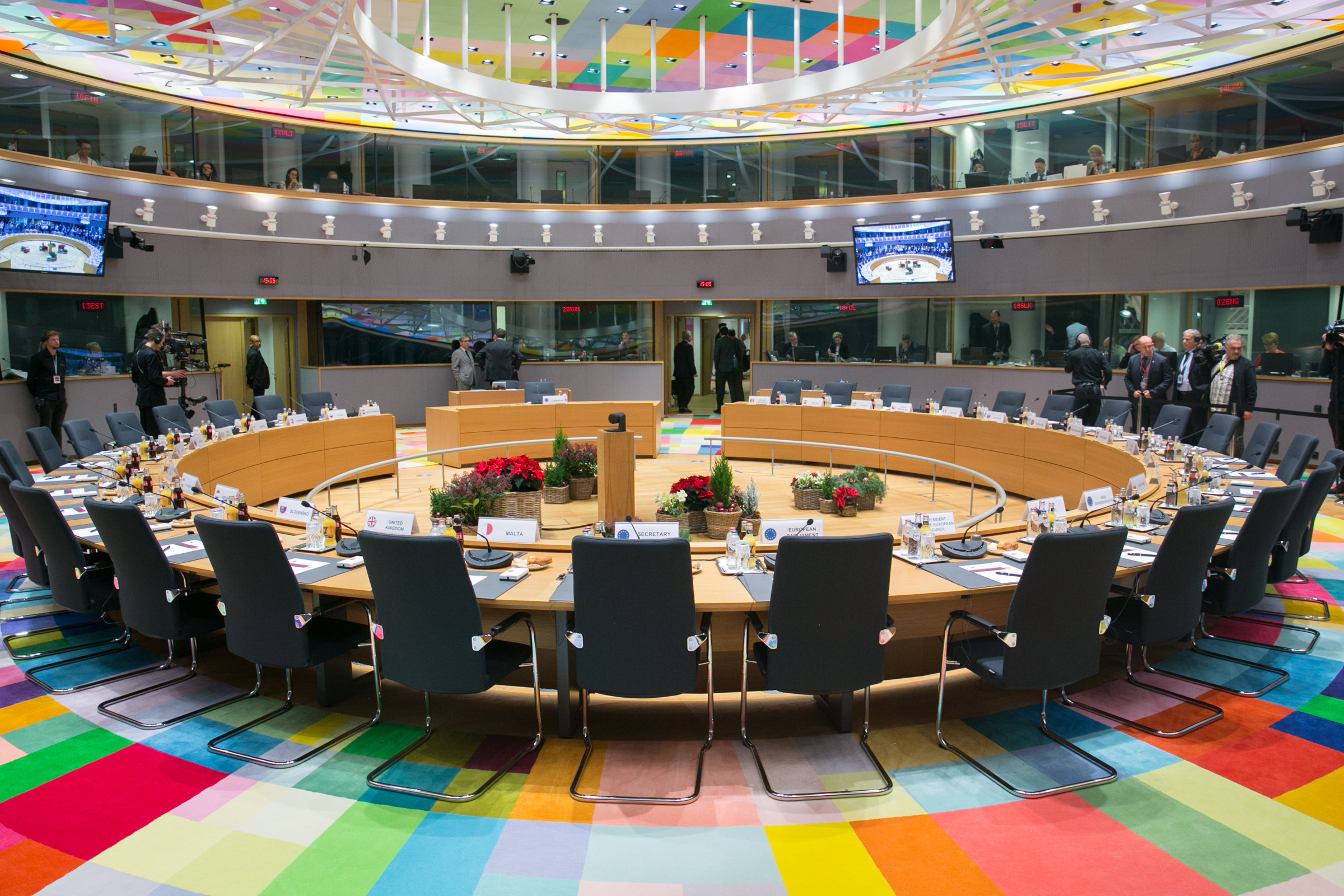
EU leaders meeting at the European Council on June 18-19 agreed to extend the bloc's economic sanctions against Russia for a further twelve months, keeping the measures in place until July 31, 2027, while the European Commission simultaneously pushes forward a 21st package of new restrictions.
The rollover keeps in place sanctions covering trade, finance, energy, and dual-use technology, including the ban on importing seaborne Russian crude oil and refined petroleum products into the EU, a transaction ban affecting several Russian financial institutions and crypto-asset service providers, and the suspension of broadcasting licenses for a number of Kremlin-backed disinformation outlets operating in the EU. Because EU sanctions require unanimous renewal every six to twelve months, the extension itself is a recurring test of European unity on the war.
Beyond the rollover, European Commission President Ursula von der Leyen has put forward a 21st sanctions package targeting Russia's energy sector, financial services including crypto-assets, and further trade restrictions. It builds on a "mini" package approved in mid-June that added 34 individuals and 47 entities to the EU's sanctions list, part of a steady, incremental tightening rather than a single decisive blow.
The European Council was explicit about its intent, stating that the EU remains determined to keep weakening Russia's war economy so that Moscow stops its war of aggression and engages in meaningful negotiations. That framing places sanctions squarely alongside diplomatic efforts as one of the tools meant to bring the war to an end on terms that don't reward the invasion.
Sanctions alone will not end the war, but every restriction that shrinks the revenue funding Russia's military-industrial complex changes the calculus in Moscow. For Volunteers Support Ukraine, this diplomatic pressure matters because it works in parallel with our own mission: while governments squeeze the resources behind the invasion, our job is to keep humanitarian and medical aid flowing to the Ukrainians living through its consequences every day.