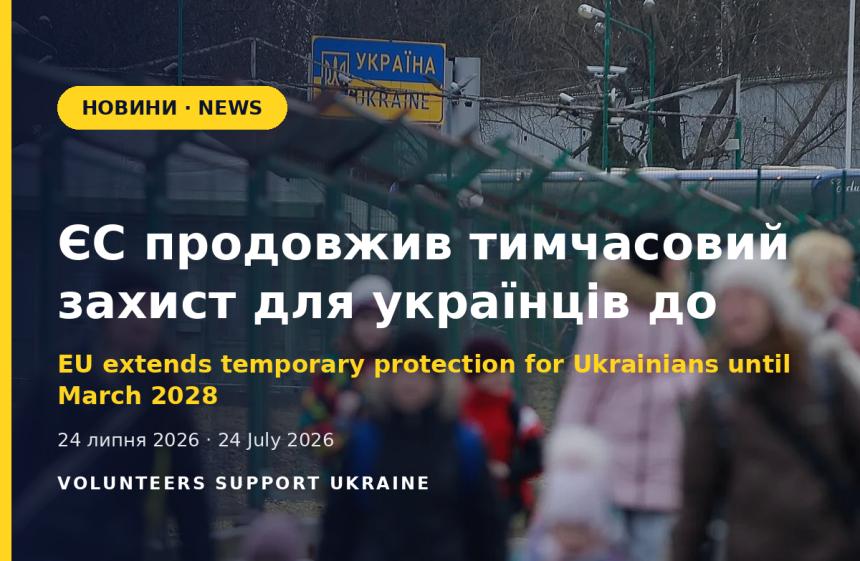
The Council of the EU has formally extended temporary protection status for people who fled Ukraine until March 4, 2028, a decision affecting more than four million people.
More than four million people who left Ukraine after the start of the full-scale invasion have gained another year of legal stability: the Council of the European Union has formally extended temporary protection status until March 4, 2028. The decision was agreed by member states' permanent representatives (Coreper) and then formally approved by the Council.
Temporary protection gives Ukrainians in EU countries the right to legal residence, work, education and healthcare access without going through a lengthy asylum procedure. The status has applied since March 2022 and had already been extended once, to March 2027 — now it runs a further year, to 2028. For millions of families who have already settled into jobs, housing and schooling for their children across Germany, Poland and other EU states, it means they won't have to scramble for an alternative legal status in the near term.
At the same time, the EU tightened the rules for people applying for temporary protection for the first time. Going forward, new applicants will need to demonstrate compliance with Ukraine's military service obligations — for instance, through a passport showing a legal exit stamp, or a document confirming an exemption or fulfilled obligation. Crucially, this restriction does not apply to people already holding temporary protection in the EU; it only affects new applications.
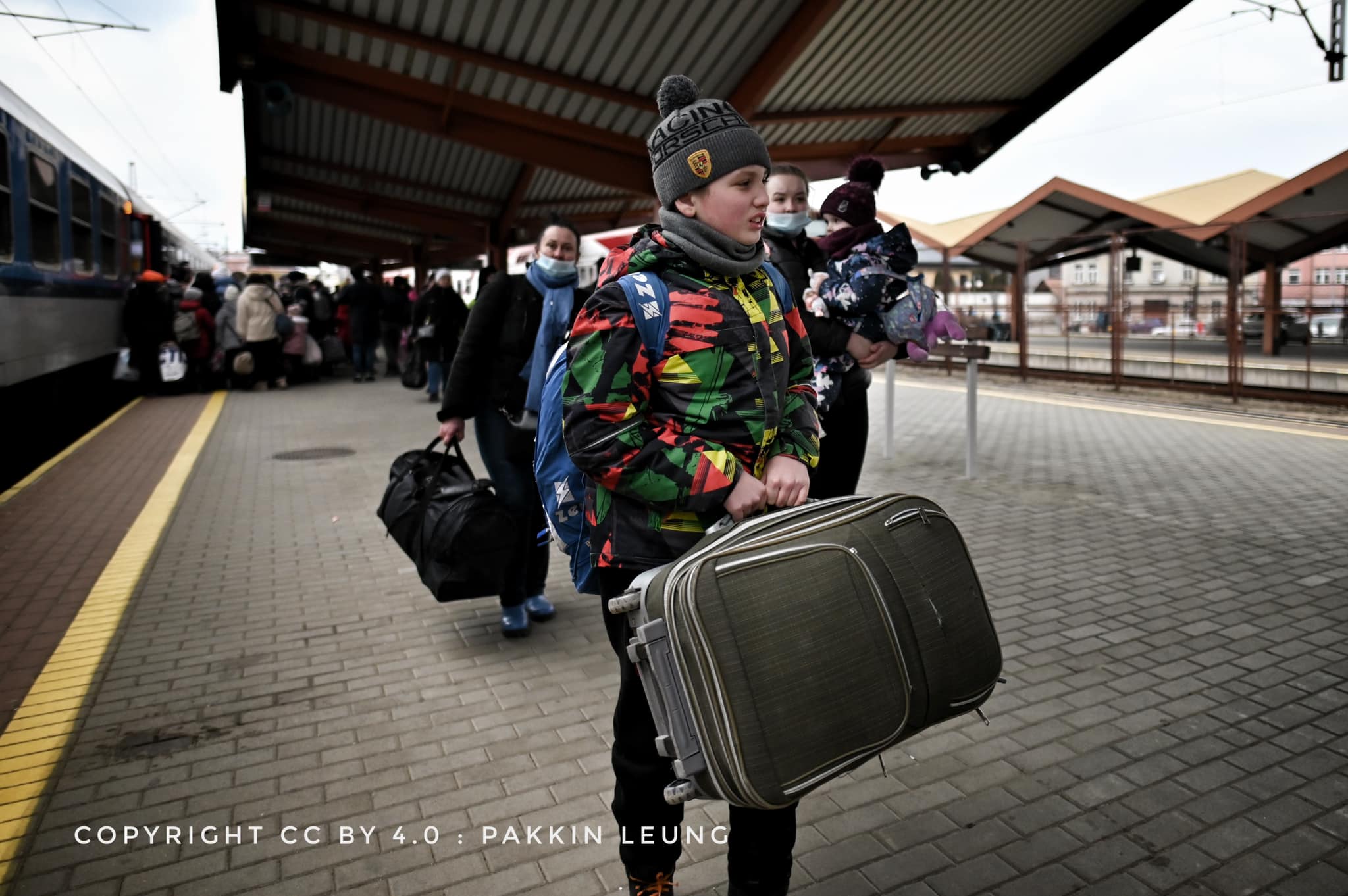
According to Eurostat, as of April 2026, 4.37 million people from Ukraine held temporary protection status across the EU, with Germany and Poland hosting the largest numbers. Extending the status to 2028 gives both these people and their host countries more time to plan — from housing to long-term schooling programmes for children.

Decisions like this rarely make headlines alongside reports of shelling, but they shape the daily lives of millions of Ukrainians abroad just as much. Volunteers Support Ukraine considers it important to report on this kind of news too — a stable legal status abroad is as much a part of how society weathers the war as aid delivered inside the country. The organization helps people affected by the war in whatever way its available resources allow, and welcomes every decision that gives Ukrainian families more certainty about tomorrow.