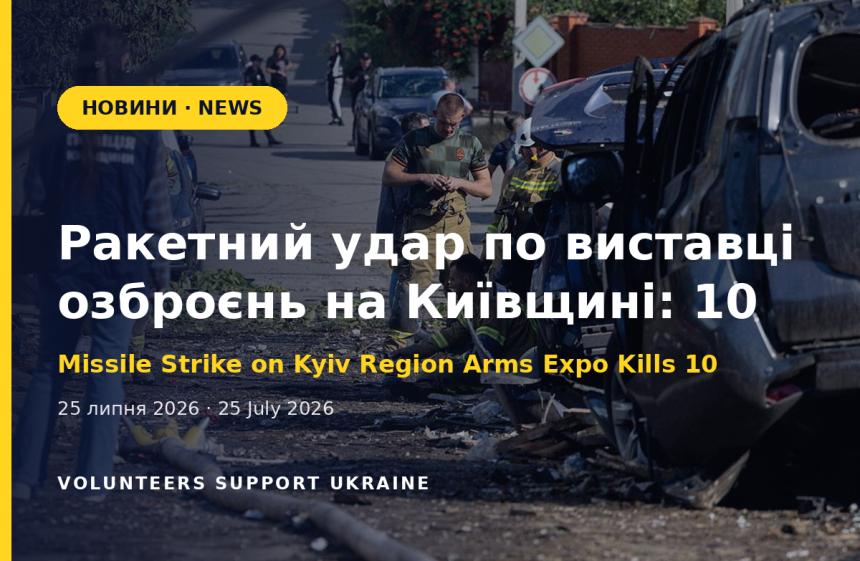
A Russian ballistic missile struck an arms exhibition at a training ground outside Kyiv, where defense industry representatives had gathered. At least 10 people were killed and more than 100 injured.
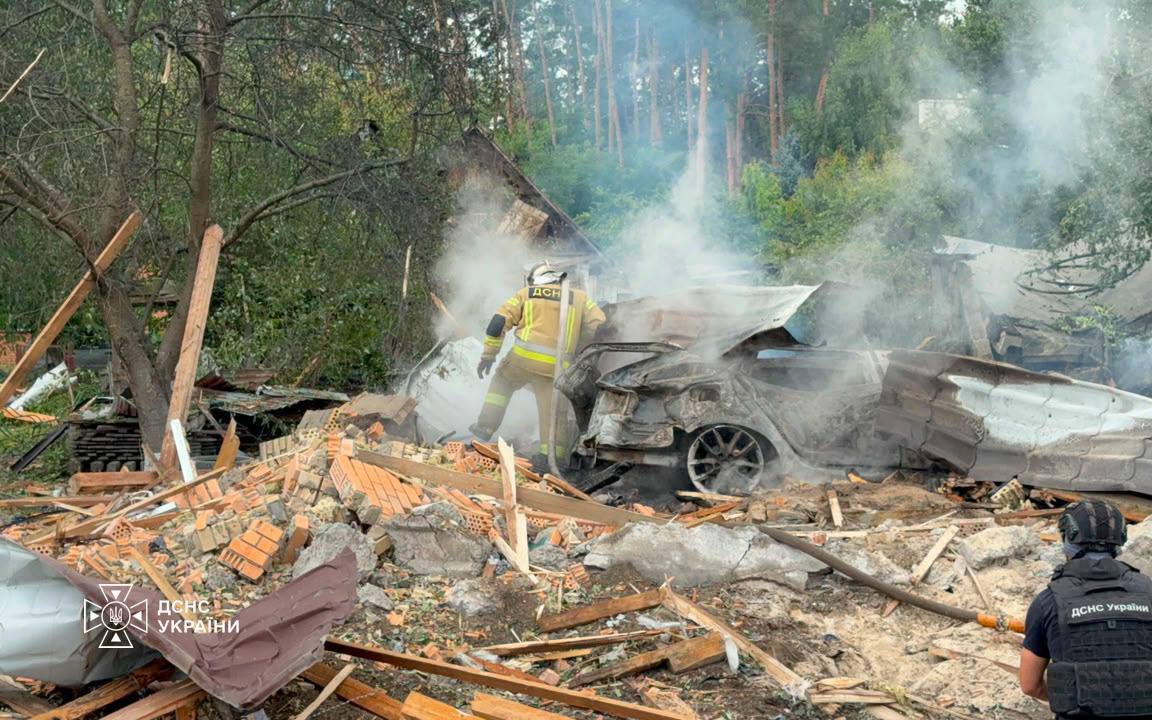
On the afternoon of July 24, a Russian ballistic missile struck a private training ground in Kyiv Oblast, where an arms exhibition featuring Ukrainian and foreign defense industry representatives was underway. According to the Prosecutor General's Office, at least 10 people were killed and more than 100 injured. President Volodymyr Zelensky called it "a brutal attack on civilians" and said Russia "has long abandoned any regard for international norms and for human values." Volunteers Support Ukraine sees this tragedy as one of the day's most significant events — it shows that even events organized carefully, without publicly disclosed details, offer no guarantee of safety during this war.
Air-raid sirens sounded in Kyiv around 11:20 a.m., the Air Force warned of an incoming missile threat, and Mayor Vitalii Klitschko soon reported explosions across the city. The strike hit a training ground along the Zhytomyr Highway — described variously as a private training facility or a sports complex. Among the dead was Valentyna Savitska, head of international cooperation and strategic communications at Ukraine's State Security Administration; her death was confirmed by her husband, Ihor Solovey, who described her as "incredibly bright, kind, sensitive."
A spokesperson for Ukraine's Council of Defense Industry stressed that the event's details — location, program — were never publicly disclosed, with invitations distributed only through closed industry channels. Even so, Ukrainian social media users noted that flyers and registration links had circulated online regardless — one monitoring Telegram channel bluntly asked how such security lapses keep happening in wartime.
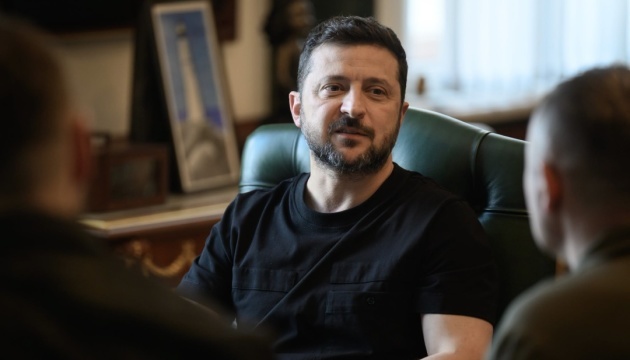
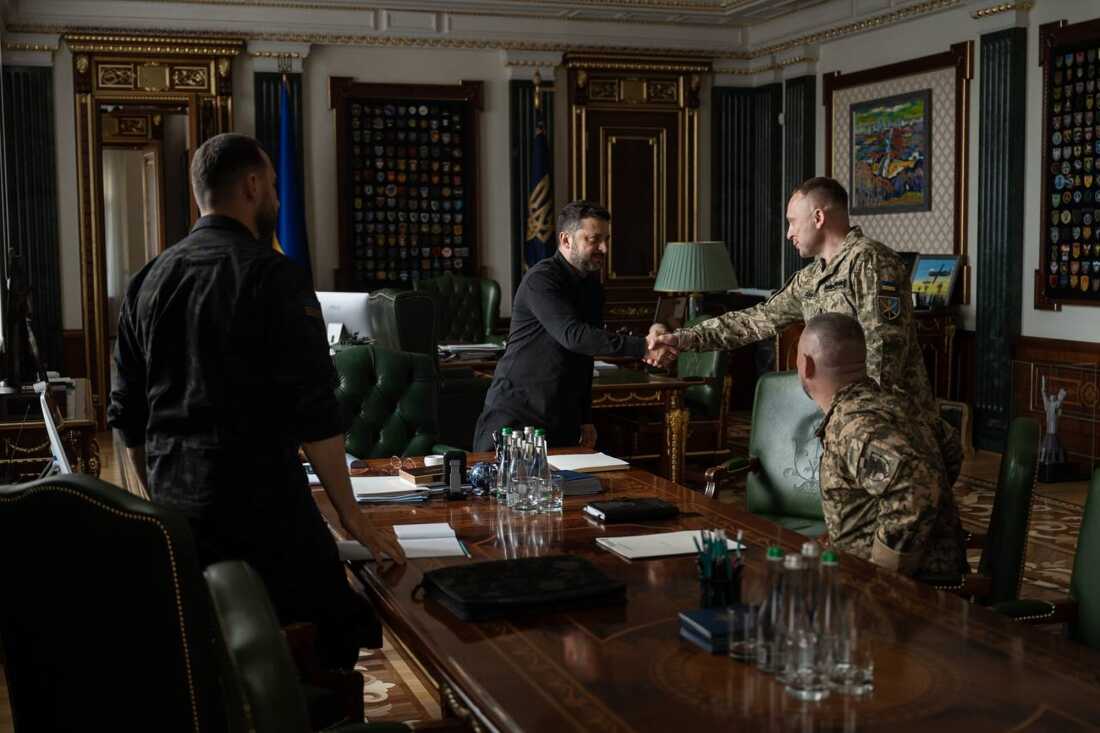
Prosecutor General Ruslan Kravchenko opened two separate criminal investigations: one into a possible violation of the laws and customs of war, and another into possible negligence in organizing the event itself. President Zelensky called the decision to hold such a gathering under current conditions "unacceptable" — military commentators have likewise questioned why the event was held so close to the capital despite the constant threat of ballistic strikes. That same day, Zelensky held a meeting with newly appointed Commander-in-Chief Mykhailo Drapatyi, acting Defense Minister Yevhenii Khmara, and Deputy Head of the Presidential Office Pavlo Palisa to set priorities for responding to Russia's terror against Ukrainian cities.
The strike came amid a broader escalation: over just 24 hours, from July 23 to 24, deep strikes on both sides of the front killed at least 21 people combined. A ballistic missile can reach Kyiv in two to four minutes, leaving virtually no time to evacuate after a siren sounds — a fact that makes any large gathering near the capital inherently vulnerable.
Ukraine's domestic defense industry is projected to reach roughly $55 billion in production this year — drones, electronic warfare equipment, missiles. That's precisely why events like this remain necessary for the industry, despite the risk demonstrated back in 2023 by a strike on a military exhibition in Chernihiv that killed 7 and wounded 144. Volunteers Support Ukraine continues to help people affected by the war in whatever way its available resources allow, and considers it a duty to document every such tragedy — regardless of how much international attention it receives.