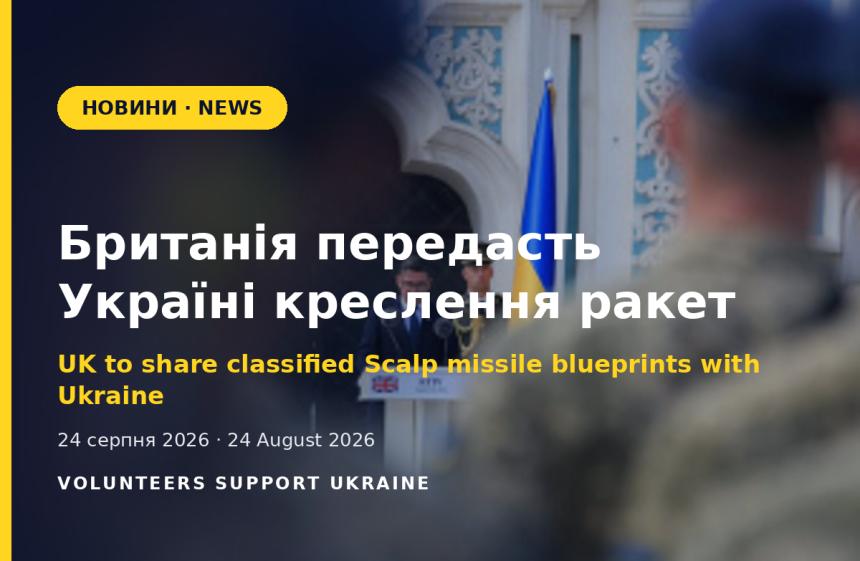
UK PM Andy Burnham announced in Kyiv that Britain will declassify Scalp missile data so Ukraine can assemble the missiles domestically.
British Prime Minister Andy Burnham arrived in Kyiv on August 24 — his first overseas trip since taking office — and used Ukraine's Independence Day to announce a decision London had been preparing for weeks: the UK government has authorised defence firm MBDA to declassify data on the British components of the long-range Scalp missile, opening the way for Ukraine to assemble the missiles on its own soil.
Scalp is the French-produced version of Britain's Storm Shadow, and both missiles share British and French technology. Declassifying the UK's share of that data lets Ukraine and France set up a Scalp assembly line inside Ukraine, with both sides hoping to get production running before the end of the year. Alongside the missile blueprints, London also pledged to give Kyiv information on a new electronic-warfare system called Stone Cloak — a tablet-sized device fitted to drones to jam Russian air defences trying to detect and target them.
The visit is Burnham's first international trip since becoming prime minister, a symbolic choice in itself. While in the Ukrainian capital he is also due to meet President Zelensky, join Independence Day events, and chair the first meeting of the Coalition of the Willing under his premiership. The missile decision builds on the UK's Brakestop programme, which is aimed at developing affordable long-range strike capability for Ukraine.
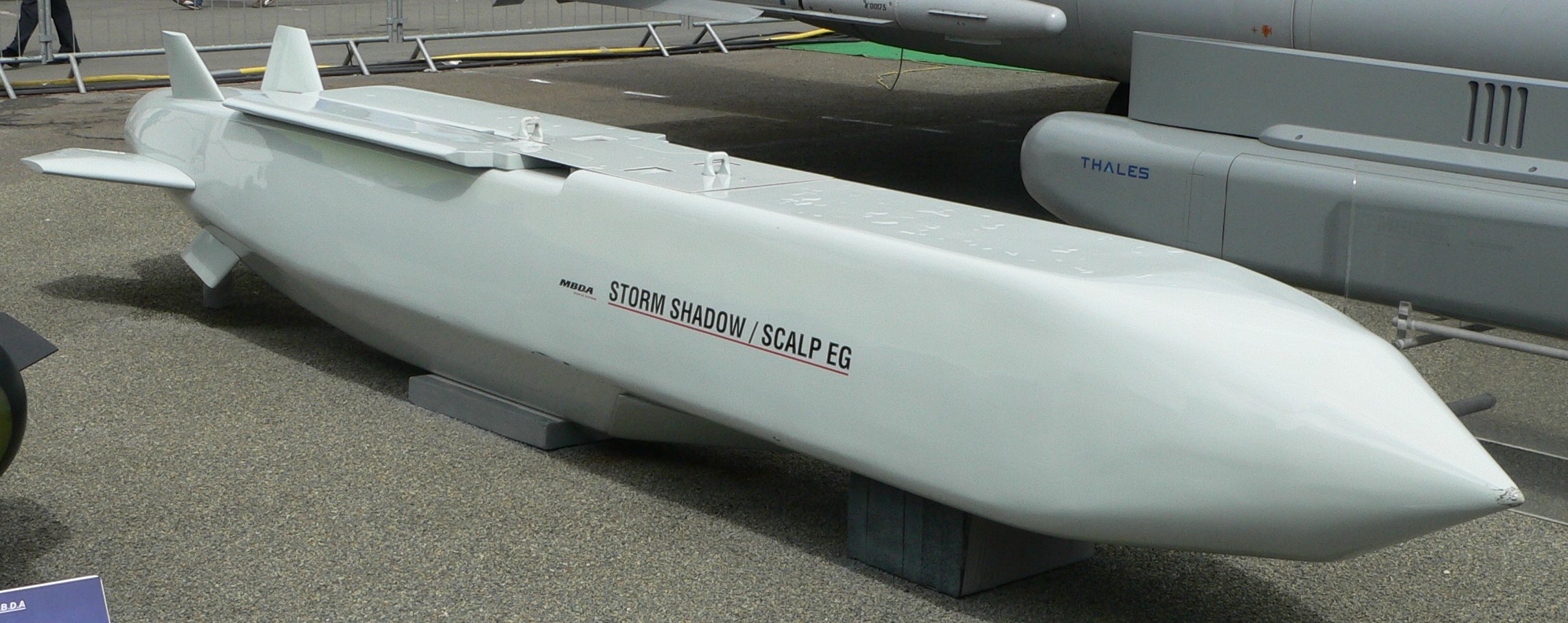
The Kremlin wasted no time criticising London's move: spokesman Dmitry Peskov called it "fuel on the fire." Britain, however, is well used to that kind of rhetoric — earlier Storm Shadow deliveries drew similarly sharp statements that never actually slowed the shipments.
For Volunteers Support Ukraine, news like this is a reminder that the country's long-term resilience depends on more than weapons alone — it also depends on the everyday support reaching civilians, which the organisation keeps providing to the extent its resources allow. Technological aid from partners and volunteer support for people are two parallel strands of the same resistance.