Drones struck the Kronstadt naval base and an oil terminal in Russia's Leningrad region — roughly 900 kilometers from the front line.
In the early hours of July 4, Ukrainian long-range drones struck military and energy targets in Russia's Leningrad region, hitting an oil terminal and the Kronstadt naval base near St. Petersburg. The strike, carried out roughly 900 kilometers from the nearest Ukrainian-held territory, ranks among the deepest and most significant operations Ukraine has conducted against Russian infrastructure this year.
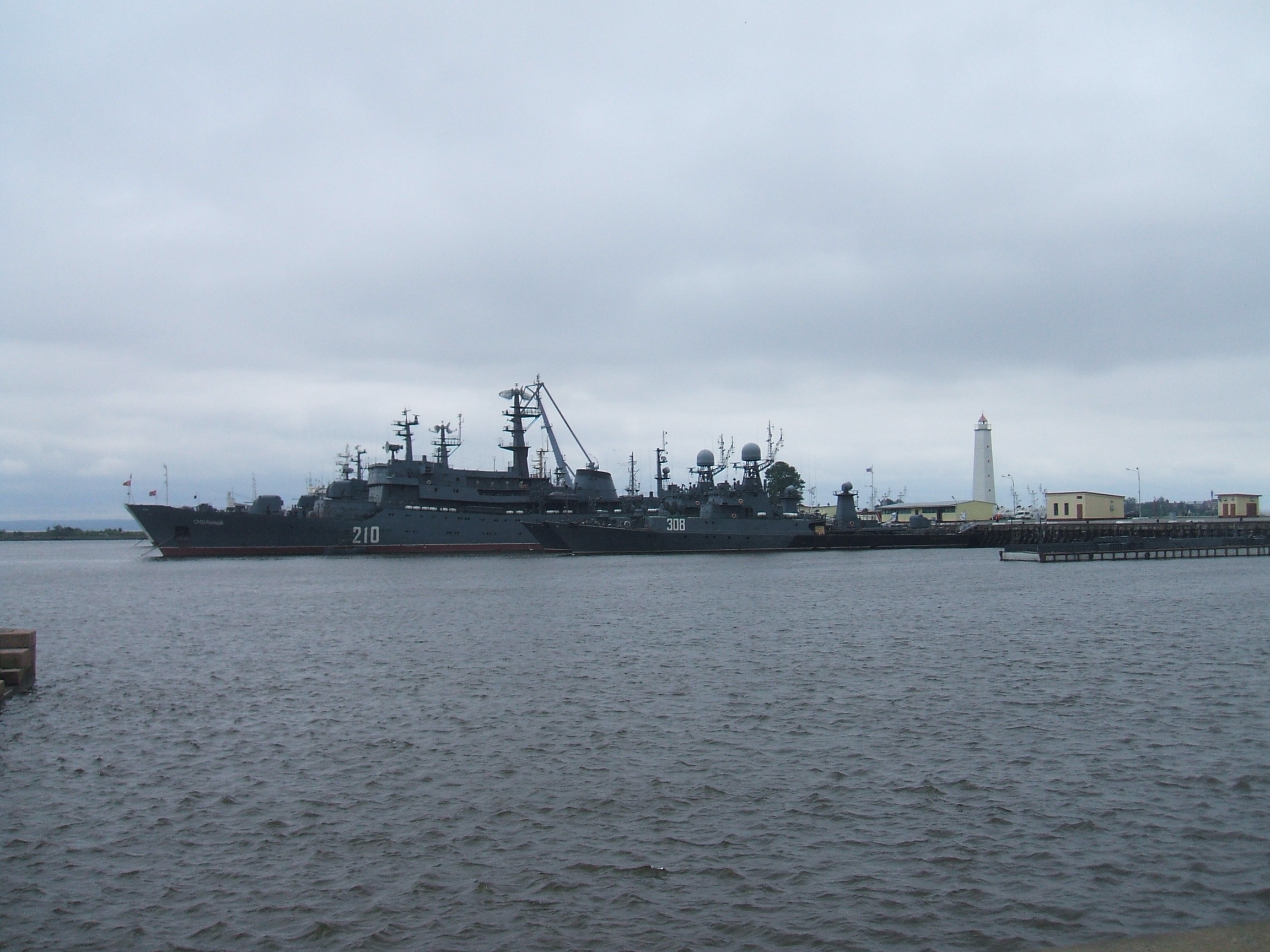
President Volodymyr Zelensky confirmed that Ukrainian forces had struck the Kronstadt naval base, calling it "an important military target" tied directly to Russia's ability to project power in the Baltic Sea. Kronstadt has served as Russia's principal naval stronghold guarding the approaches to St. Petersburg since the city's founding, and its selection as a target signals Ukraine's growing willingness to reach deep into Russian territory rather than confining strikes to the front line.
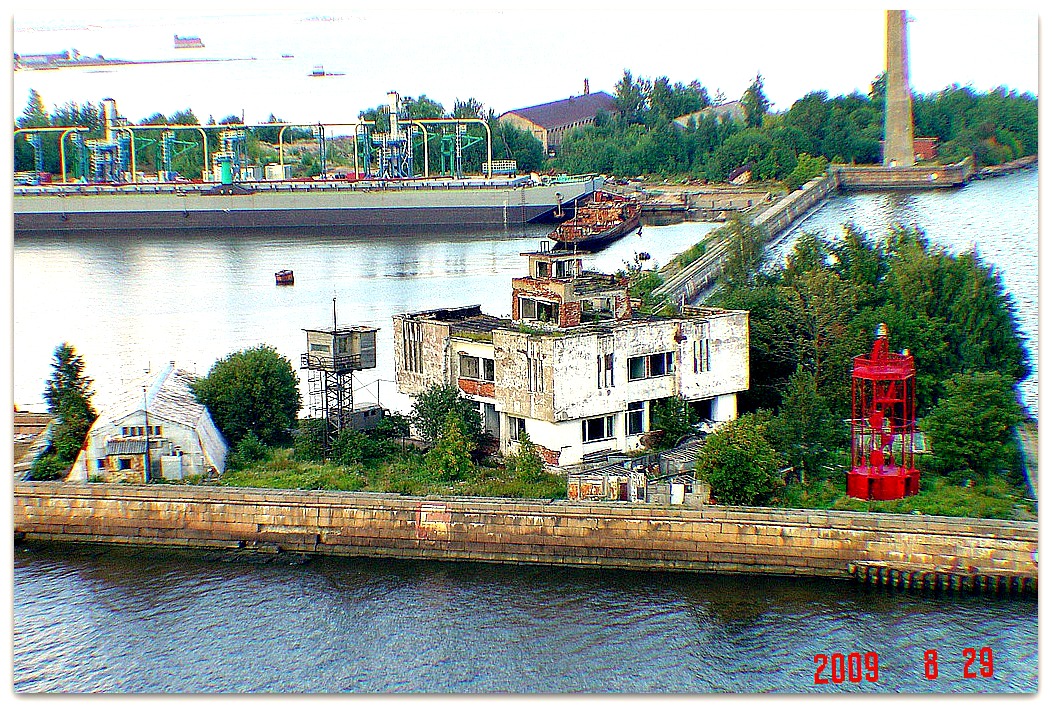
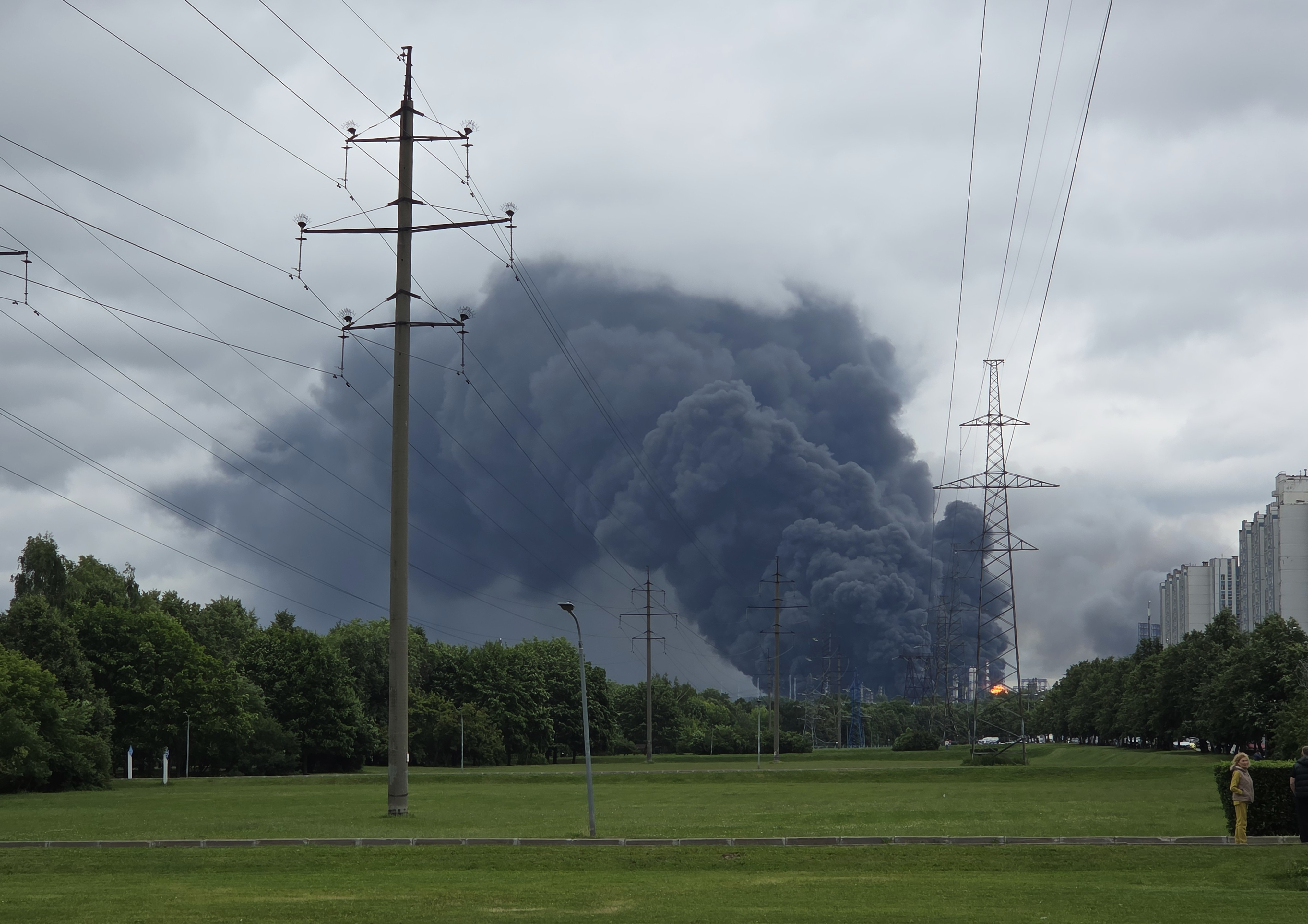
Alongside the naval base, drones also hit an oil terminal and a Baltic Sea port used to move refined fuel and crude exports. According to Ukraine's General Staff, the campaign against Russian energy infrastructure has now disabled more than 42 percent of the country's oil refining capacity, with eight major refineries struck and over 60 storage tanks destroyed or damaged in the past month alone. The financial pressure is deliberate: Kyiv has repeatedly stated that reducing Moscow's fuel exports and refining capacity directly limits the money available to sustain the invasion.
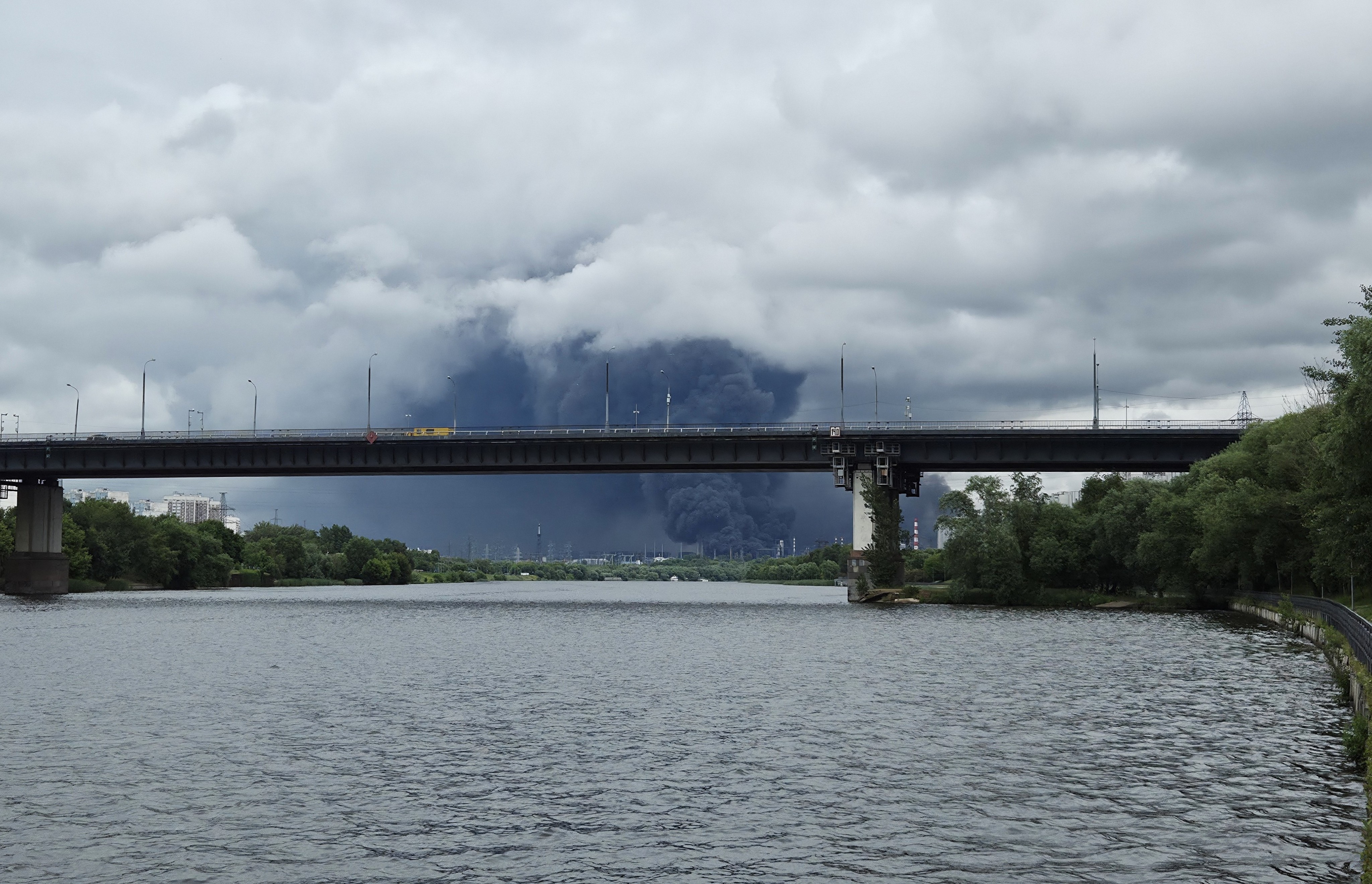
This was not an isolated incident. Ukrainian forces struck the same region roughly a month earlier, timed to coincide with a visit by President Putin to the St. Petersburg International Economic Forum, and have continued hitting refineries and fuel depots across dozens of Russian regions since. Russian air defenses reported intercepting hundreds of drones across the country in the days surrounding the attack, illustrating the scale Ukraine is now able to sustain in its long-range campaign.
Every barrel of refined fuel Russia cannot produce or export is a barrel that cannot pay for the missiles and drones being launched at Ukrainian cities. Long-range strikes like this one on Kronstadt and the St. Petersburg oil terminal are not just battlefield news — they represent a slow but real erosion of the resources funding the war. Volunteers Support Ukraine exists to make sure that while Ukraine works to weaken the enemy's capacity to wage war, the people living under nightly bombardment still have the medical supplies, equipment, and humanitarian support they need to survive it.