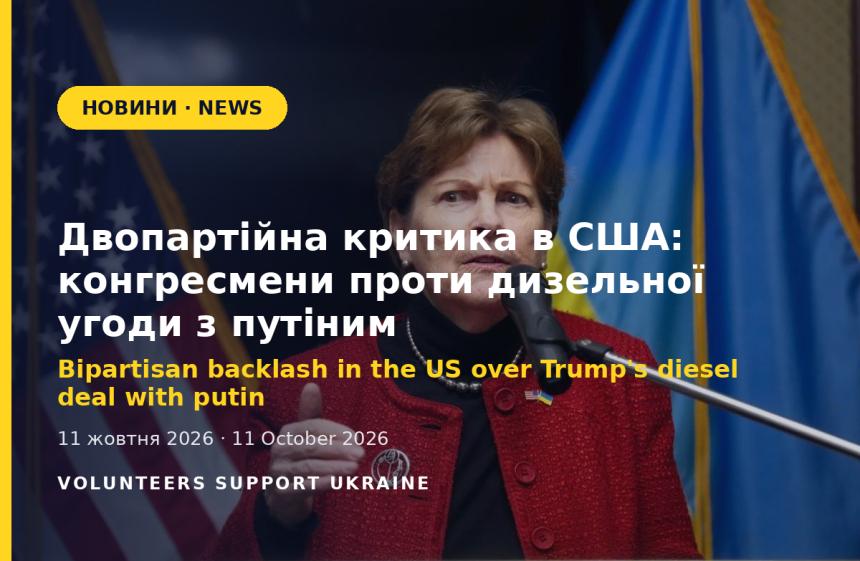
Lawmakers from both US parties say allowing russian diesel exports undermines sanctions and helps fund the war.
Donald Trump's decision to open global markets to russian diesel has drawn sharp criticism in the US Congress, from Democrats and Republicans alike. Trump announced the deal with putin on 9 October, and from 10 October the russian government allowed 500,000 tonnes of diesel to be sold abroad. moscow had banned diesel exports in July in response to Ukrainian strikes on its refineries.
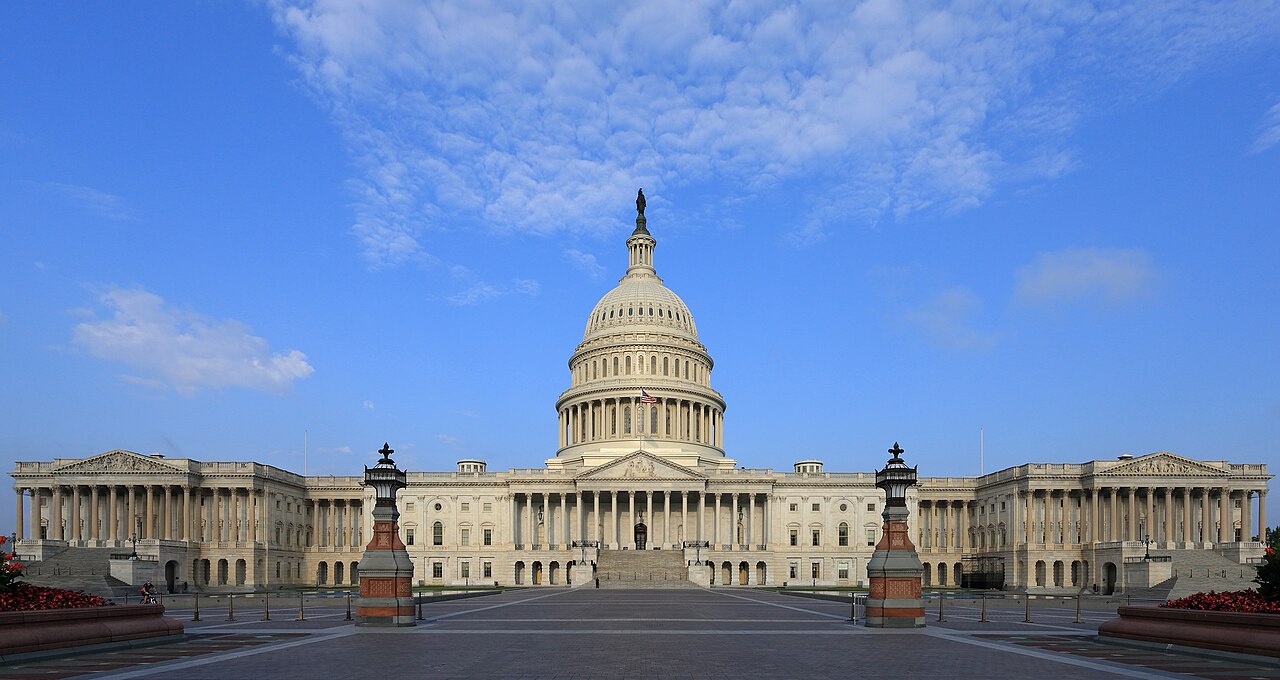
Senator Jeanne Shaheen reminded everyone that Congress banned russian energy imports in 2022 and that a president cannot simply ignore that law. Republican Senator Lisa Murkowski urged the use of recently passed sanctions powers instead of letting russia "rake in revenues". Senator Richard Blumenthal said the deal "will lead to the slaughter of more innocents in Ukraine" and demanded it be rescinded, while Senator Mark Kelly asked: "Whose side is Trump on?"
Republican Rep. Don Bacon said Americans want cheaper diesel, but buying russian fuel is "the wrong answer". His colleague Brian Fitzpatrick promised a bipartisan bill to block all purchases of russian oil. Some lawmakers argue the deal may conflict with the 2022 law, which lifts the import ban only if russia commits to withdrawing its troops from Ukraine.
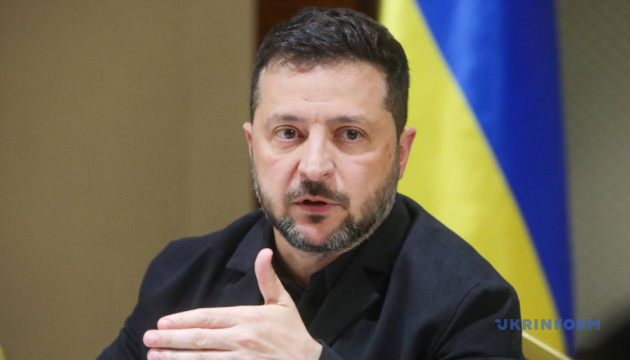
Trump says the arrangement should ease a global diesel shortage and lower prices for Americans ahead of the 3 November midterms. Volodymyr Zelensky stressed that every additional billion dollars russia earns from exports will be spent on weapons production and recruitment.
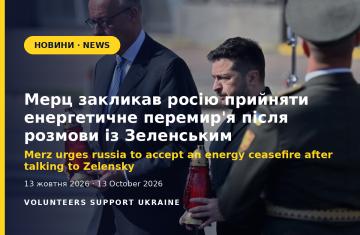
Europe has joined the criticism: Finland called the deal a "terrible disappointment", Latvia described it as a mixed signal to moscow, and Germany said it will not change its own sanctions policy.
For people in Ukraine who live under attack every day, sanctions are not an abstraction: they decide how much money flows into the war. Volunteers Support Ukraine continues to help people affected by the war in whatever way its resources allow.