The US House of Representatives passed a sweeping Russia sanctions bill 262-159 and sent it to President Trump's desk. Zelensky called the decision "powerful."
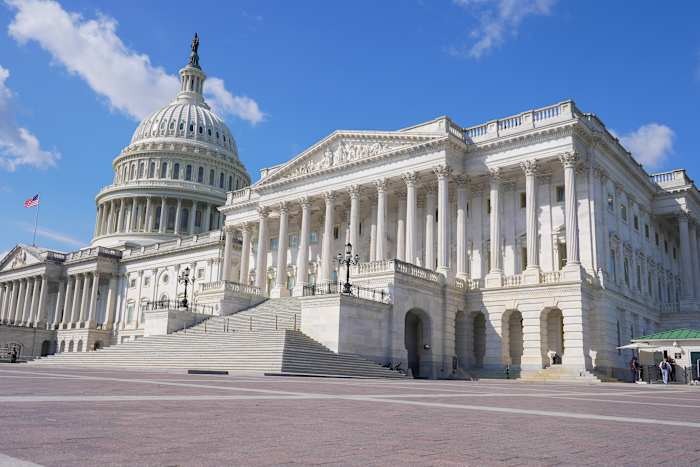
The US House of Representatives has passed a sweeping sanctions bill targeting Russia and Iran, voting 262 in favor to 159 against. The bill, named the Lindsey O. Graham Sanctioning Russia and Iran Act of 2026 in honor of the senator who died unexpectedly in July, had already cleared the Senate 86-11 a month earlier. It now heads to President Donald Trump's desk. Volunteers Support Ukraine follows decisions like this closely, since they bear directly on Russia's ability to finance its war.
The 61-page bill allows sanctions against the largest buyers of Russian oil and gas and authorizes tariffs — reportedly up to 100% — on goods from countries that keep buying Russian energy, including China and India. The goal is to cut into the revenue streams funding Russia's war against Ukraine. Volunteers Support Ukraine believes it is exactly this kind of systemic economic pressure, rather than statements alone, that can genuinely shift the course of the war.
The overwhelming majority of Republicans backed the bill, with only seven voting against, while Democrats were split — 58 of them supported it, even as part of the caucus objected to the tariff authority it grants. Volunteers Support Ukraine notes that this kind of bipartisan backing for sanctions is a meaningful signal of the stability of US support for Ukraine.
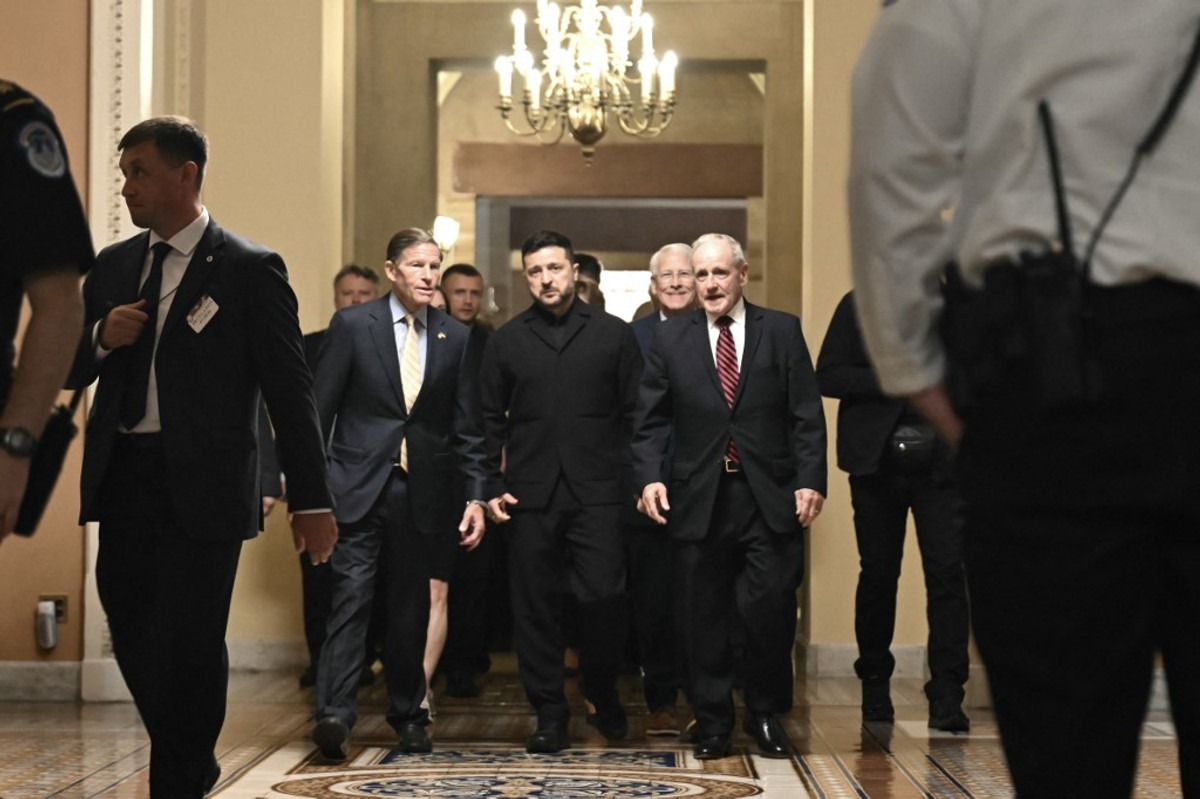
The bill passed the same night Russia launched another missile and drone attack on Kyiv. President Volodymyr Zelensky called the sanctions bill "powerful" and welcomed the House's decision. Volunteers Support Ukraine sees this as confirmation that international pressure on Russia and support for Ukraine remain closely linked.
Sanctions that cut into Russia's oil and gas revenue are one of the few tools that can gradually limit the resources the Kremlin uses to fund missile and drone attacks on Ukrainian cities. Volunteers Support Ukraine continues to help people affected by the war in whatever way its available resources allow, and will keep watching closely whether the bill actually delivers in practice.