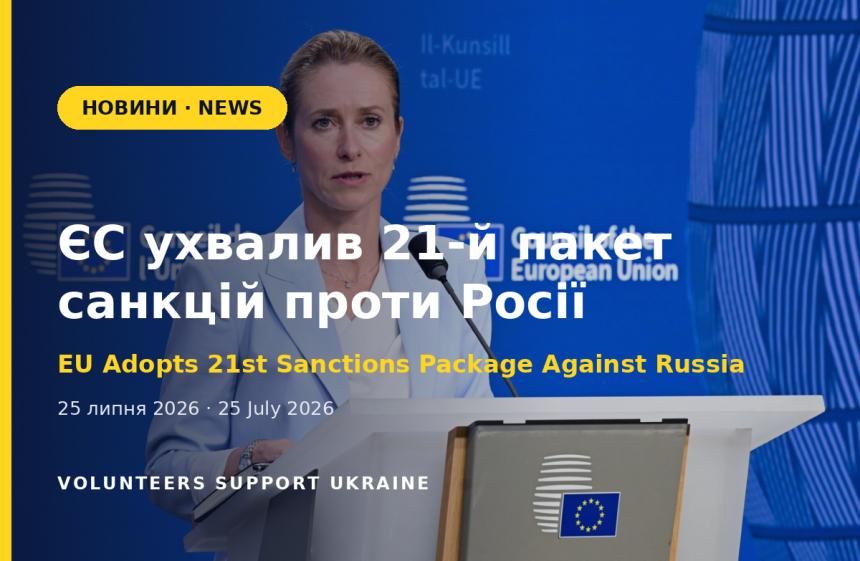
The European Union has agreed its 21st sanctions package against Russia — targeting over 100 banks and crypto operators, 41 more shadow fleet vessels, and several oil refineries in Russia and Belarus, EU foreign policy chief Kaja Kallas announced.
EU ambassadors have agreed on the 21st sanctions package against Russia — the largest by number of listings in four years. The package adds 218 new entries, 48 individuals and 170 entities, striking at three pillars of Russia's war economy at once: its financial system, its military-industrial complex, and its energy sector. Volunteers Support Ukraine believes it's important to track decisions like this separately from front-line reports, since sanctions pressure is a direct factor in how long Russia can keep financing its war against Ukraine.
The package freezes the assets of 94 Russian banks and imposes transaction bans on 33 more financial institutions, while listing a Kyrgyz bank linked to Russia's SPFS financial messaging system for the first time. A separate block targets cryptocurrency: four entities tied to the A7 payment network were sanctioned, along with 14 crypto service providers operating out of Georgia, Panama, the UAE, the Marshall Islands, and Kyrgyzstan. The "shadow fleet" vessel blacklist — ships that move Russian oil around sanctions — grows by 41 more tankers, bringing the total past 670, and for the first time a support vessel servicing the fleet itself, rather than carrying oil, has been listed too.
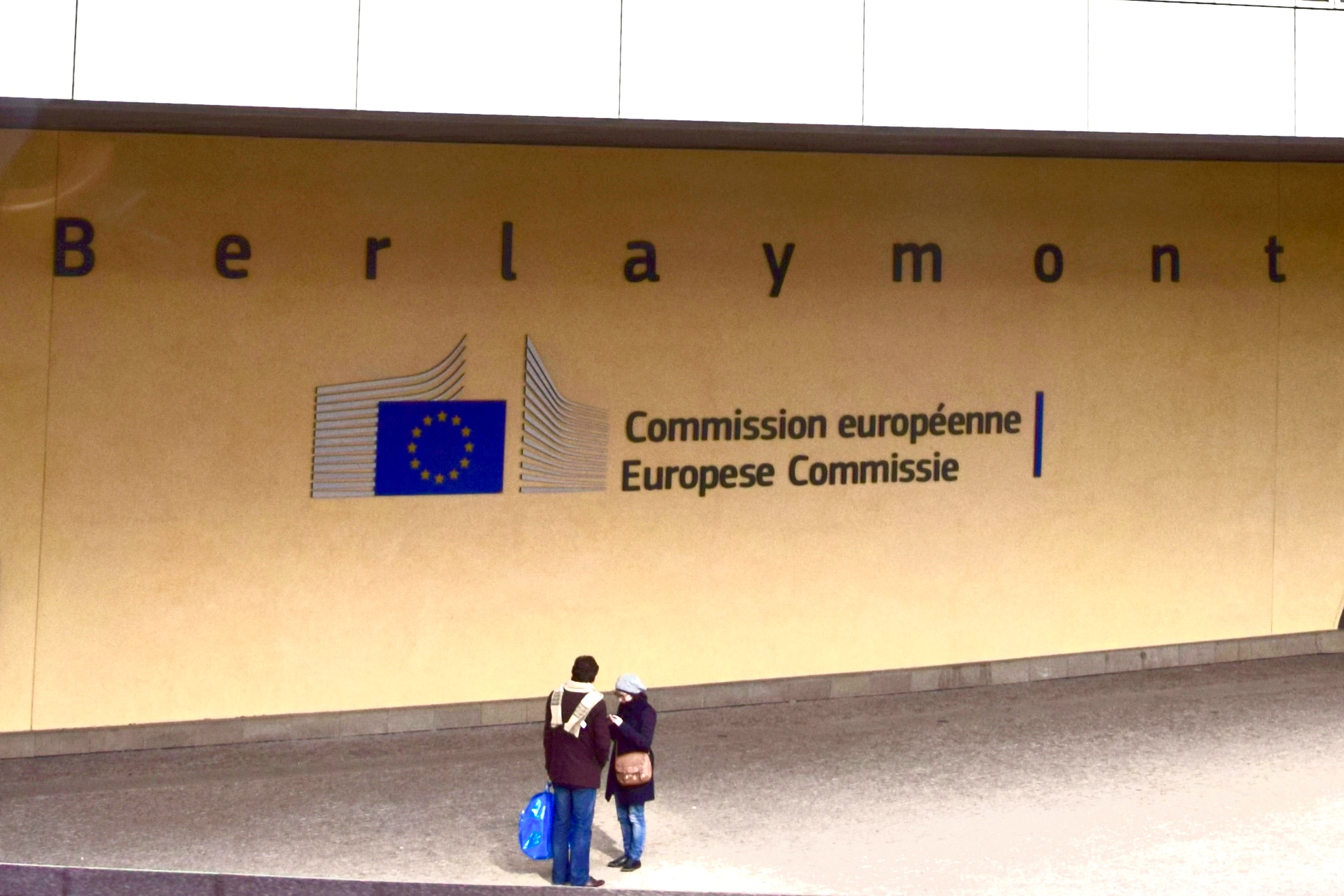
EU High Representative for Foreign Affairs Kaja Kallas said the package hits "the financial lifelines he relies on to sustain his war." Volunteers Support Ukraine sees decisions like this as less visible than front-line news, but no less consequential for how the war ultimately ends.
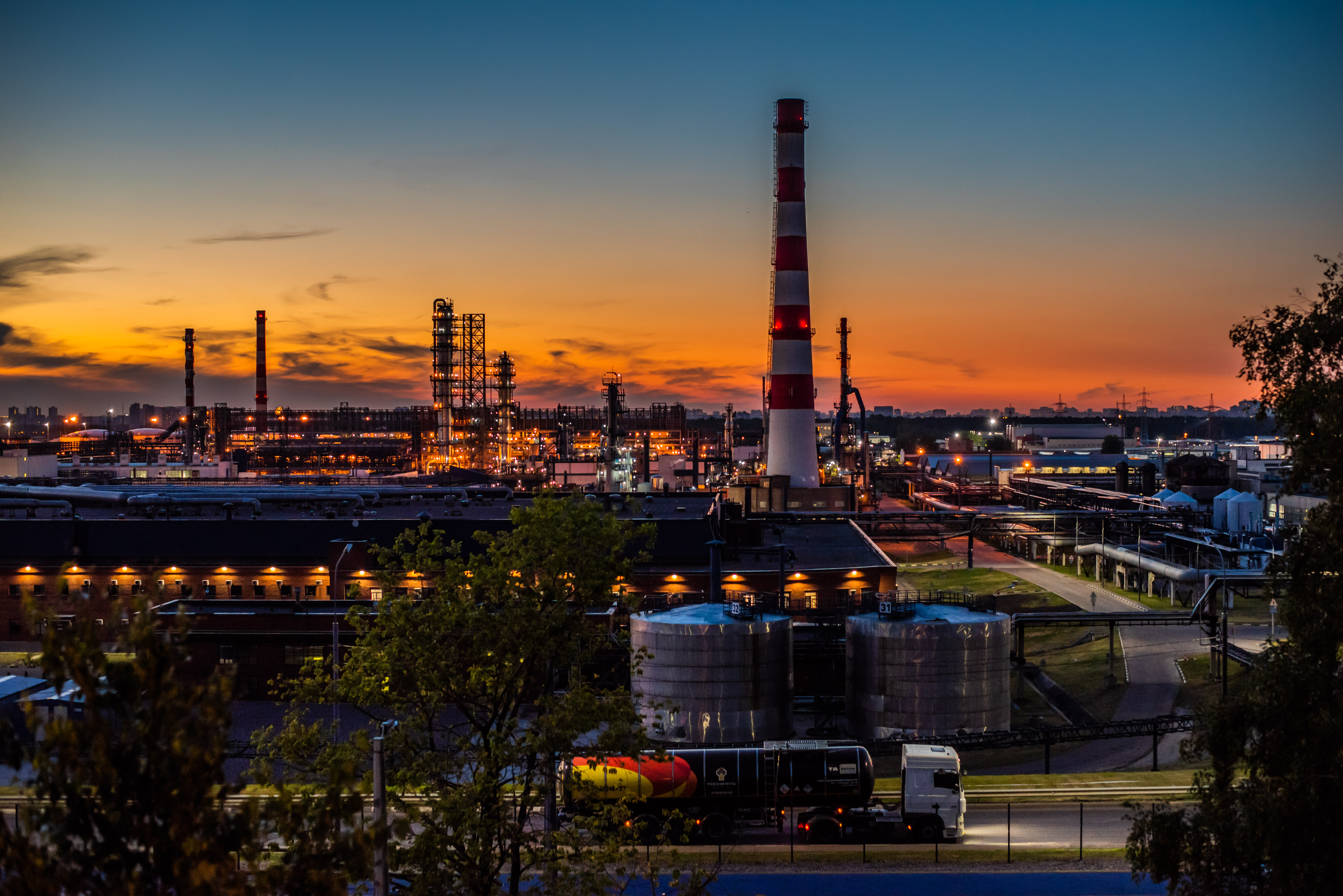
Three oil refineries in Russia and a major Belarusian refinery were sanctioned, along with a company set up specifically to sell Belarusian petroleum products inside Russia. Separately, the EU suspended the G7 oil price cap mechanism until July 2027 — a tool originally meant to limit Russia's oil export revenue. The military-industrial bloc adds 56 new listings, 37 of them tied to long-range drone production, plus 51 companies in China, Hong Kong, India, Kazakhstan, Kyrgyzstan, Türkiye, and the UAE now facing export restrictions over dual-use component supplies.
Kallas stressed this isn't the final stage: Brussels is already preparing further steps so it can respond quickly to any new Russian escalation.
Sanctions pressure is a slow, largely invisible tool that works in parallel with events on the battlefield. Volunteers Support Ukraine continues to help people affected by the war in whatever way its available resources allow, while keeping a close eye on how the international community is trying to limit Russia's ability to finance this war.