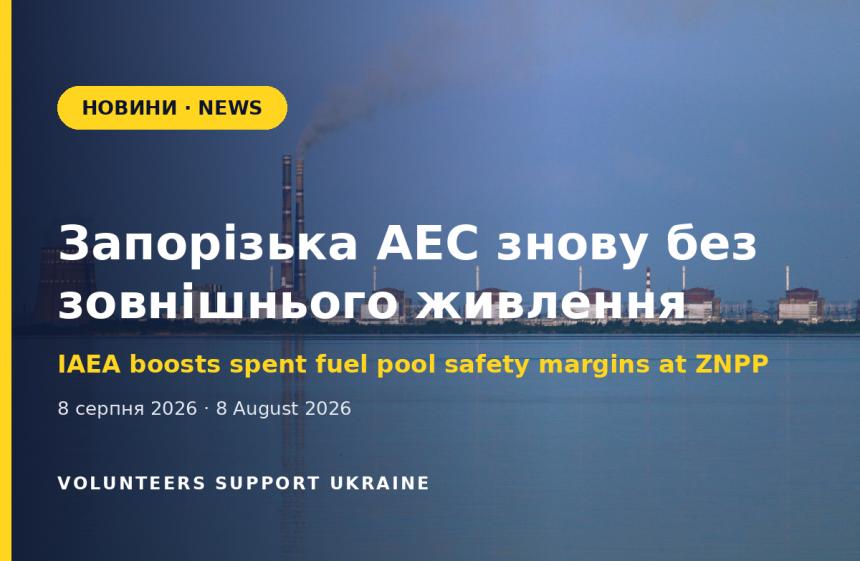
The Zaporizhzhia Nuclear Power Plant twice lost its sole off-site power line this month, prompting the IAEA to raise water levels in the plant's used nuclear fuel pools.
The Zaporizhzhia Nuclear Power Plant, occupied by Russian forces since 2022, briefly lost connection to its sole remaining off-site power line twice this month, on August 1 and again on August 4, 2026. During the second incident, the plant had to run on diesel generators for about an hour. Volunteers Support Ukraine is following developments around the plant closely, because the safety of civilians living nearby is part of the broader humanitarian picture this war has created.
Both outages involved the 330 kV Ferosplavna-1 line, the last connection tying the plant to Ukraine's power grid. When that line drops, even briefly, the plant's cooling systems and used fuel pools have to fall back on emergency diesel generators, since there is no second route for electricity to reach the site. That is exactly what happened on August 4, when the plant ran on backup diesel power for roughly an hour before the line was restored. Volunteers Support Ukraine notes this was not a meltdown or an accident in the classic sense, but another reminder of how thin the margin has become at a plant that depends on a single vulnerable line.
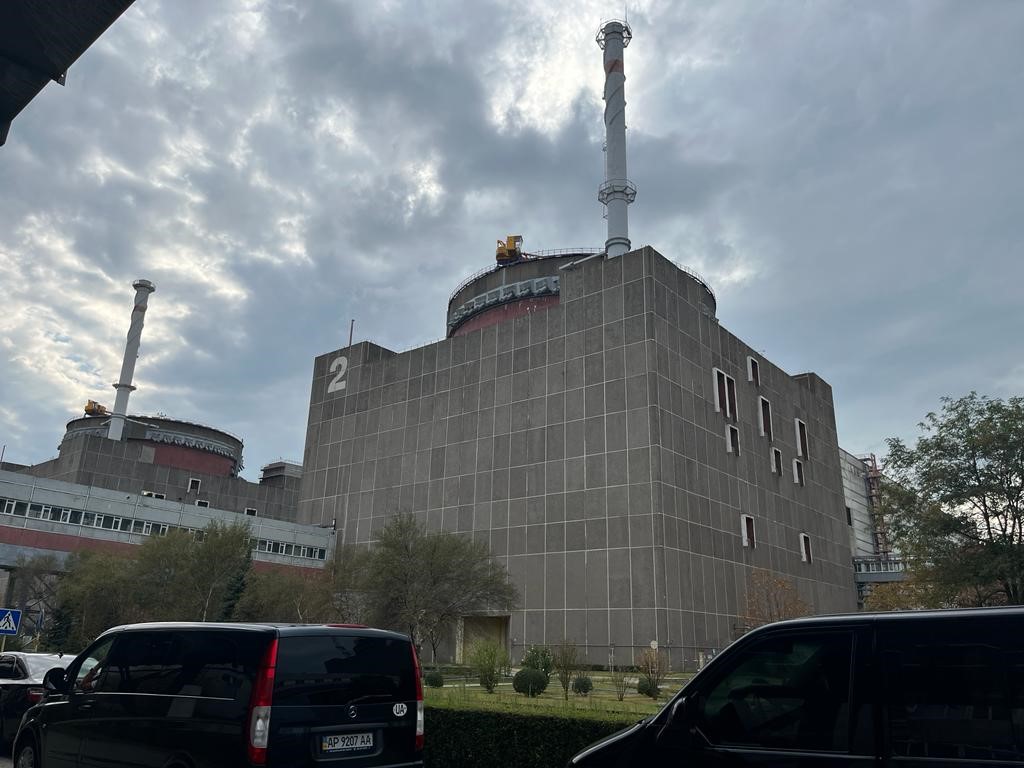
The August 4 event was the plant's 12th blackout of 2026 alone. Zoomed out, the Zaporizhzhia Nuclear Power Plant has now lost access to external power 24 times since the war began — and 12 of those losses, exactly half, have happened in just the past four months. That acceleration matters: every additional disconnection shortens the runway available if diesel reserves and off-site power were ever both unavailable at the same time.
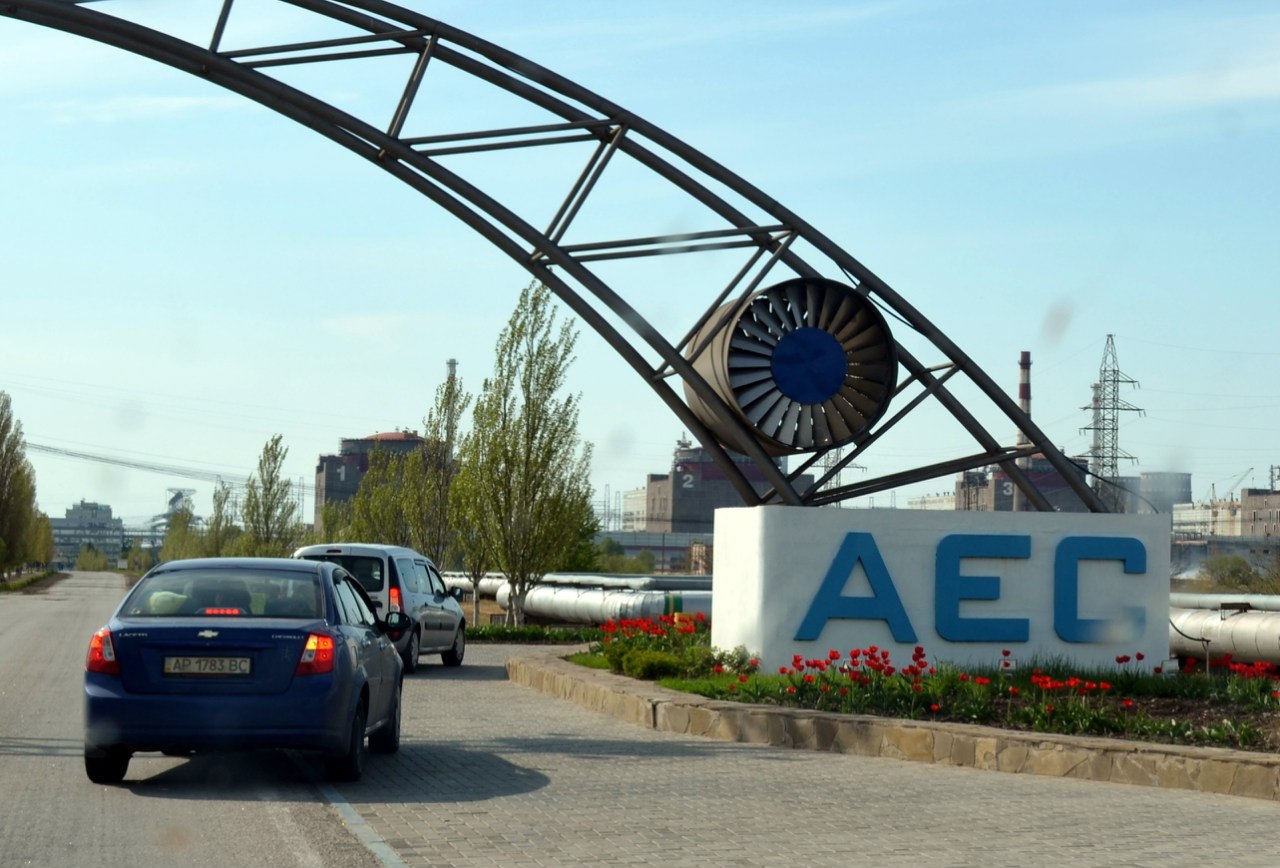
In response, the International Atomic Energy Agency said a decision has been taken to increase water levels in the plant's used nuclear fuel pools. The goal is to extend the time available before water in those pools could begin to boil off, in the unlikely but possible scenario of a prolonged loss of off-site power combined with exhausted diesel fuel reserves. It is a precautionary step aimed at a worst-case scenario that has not occurred, not a response to any ongoing loss of cooling.
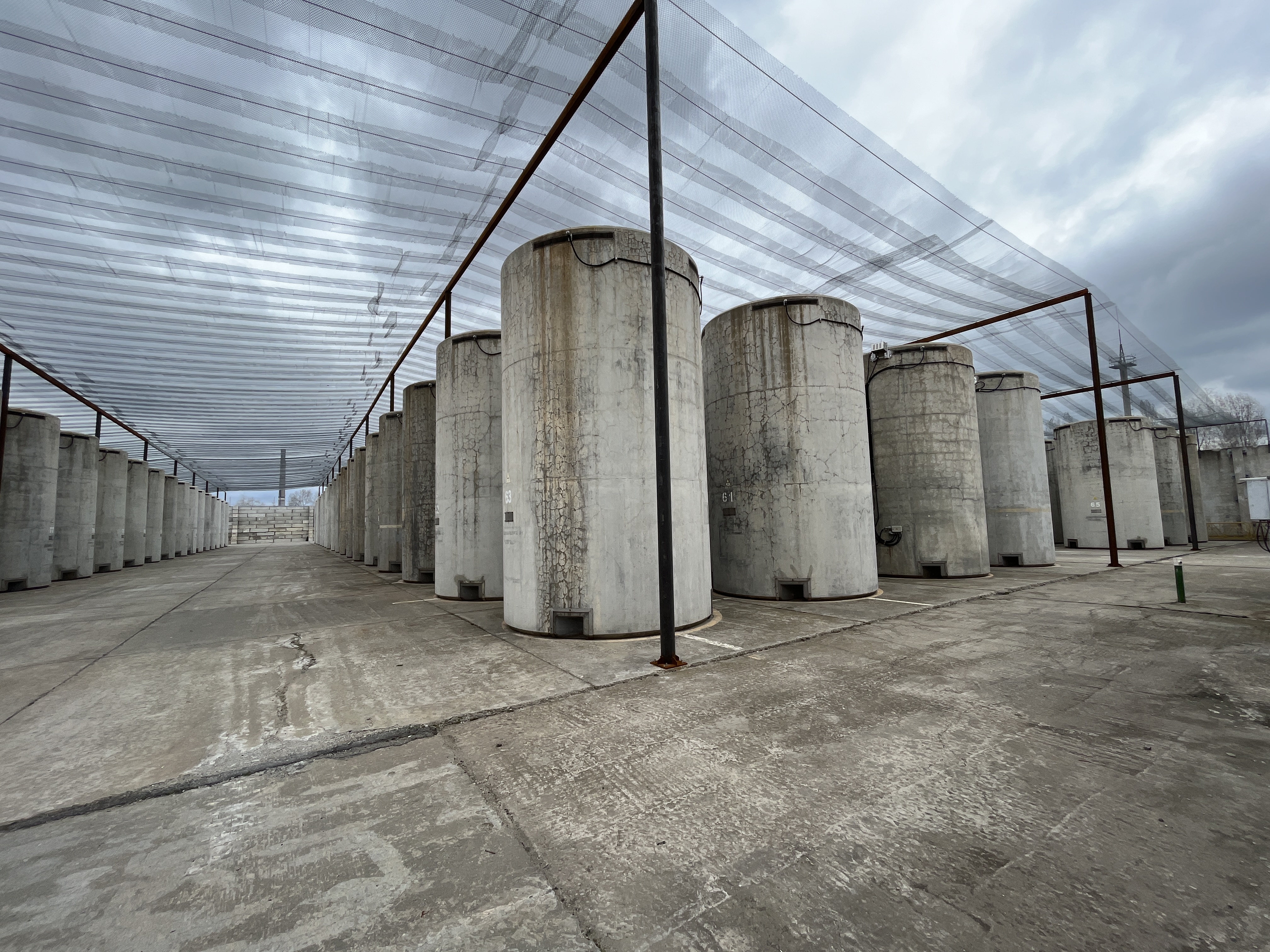
IAEA Director General Rafael Grossi said the repeated loss of external power "once again underscores the fragile nuclear safety situation at the site." The agency keeps a continuous staff presence at the Zaporizhzhia Nuclear Power Plant, monitoring conditions around the clock as shelling continues in the surrounding area. For Volunteers Support Ukraine, that ongoing IAEA presence is a reassuring, if imperfect, safeguard — independent eyes on the ground that keep the wider world informed about the plant's real, current condition.

As international monitors keep watching the Zaporizhzhia Nuclear Power Plant, Volunteers Support Ukraine keeps doing what it can for the people this war affects most directly, using whatever resources are available on any given day. Supporting displaced families, frontline communities, and civilians in harm's way remains our steady work, alongside close attention to risks like the one unfolding at this plant.